
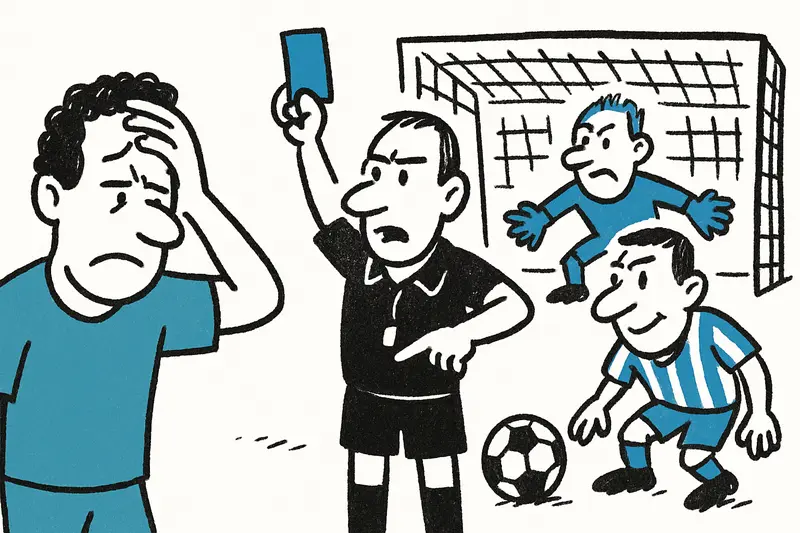
Narrow defeat in Barcelona: penalty denies Mallorca a point
RCD Mallorca lose 2-3 at Espanyol — a late penalty decides the game. What remains: fighting spirit and questions about consistency, plus a few concrete areas to address.
Narrow defeat in Barcelona: penalty denies Mallorca a point
It's that feeling: proud of the spirit, annoyed by the result. In a hectic evening match in Barcelona, RCD Mallorca narrowly lost 2-3 to Espanyol, as detailed in RCD Mallorca pierde 2-3 frente a Espanyol: el penal decide. A game in which much spoke in favor of the island side — until the referee pointed to the spot in the final phase and the hosts made the difference.
Having gone ahead early, Espanyol looked more purposeful for long stretches. Mallorca, however, showed character. Especially in the second half, when Vedat Muriqi scored twice and turned the game: the crackle in the stadium, the roar of the city, the few Mallorcan voices in the fan block — you felt it could work. But the final kick from the penalty spot wiped out all hopes.
The key question
Why, despite a brave comeback, does the reward fail to materialize? Is it bad luck, a single wrong decision, or a deeper problem in the team's structure? This question runs like the gentle sound of the sea through conversations at Plaça d’Espanya later in the evening: "Two steps forward, one step back," said an old man who had watched the match in a bar.
Less noticed aspects
The discussion often focuses on the penalty — rightly so. But beneath that lie things that are less often spoken about loudly: squad depth, how the team reacts to overload and underload situations, and psychological resilience after setbacks. Mallorca did not build a wide buffer on the bench in the winter. When key players are missing or tired, the system becomes brittle.
Travel fatigue also plays a role. The short night before the return flight, getting up early, the jetlag-like effect — for an island team, away matches on the Spanish mainland are small logistical adventures. That doesn't show up in the statistics, but it does in the final minutes when concentration counts; this is not the first time recent matches have swung late, as in Se encendió demasiado tarde: RCD Mallorca pierde por 1:2 en Bilbao.
Tactical observations
Muriqi's role is clear: an anchor in attack. Still, the dependency is noticeable. If the ball doesn't reach him quickly or the wings are not playable, the cutting power is missing. Defensively, there are gaps on set pieces and quick transitions. The penalty came after a combination of disorder in the box and a small lapse in attention — typical symptoms of missing concentration in crucial moments.
Concrete opportunities and solutions
It's not enough to just complain. Concrete approaches help: more intensive work on set pieces (both defending and attacking), clear communication in the penalty area, and a rotation that brings freshness without destroying the core structure. Mental coaches could help stabilize nerves in final phases — this applies not only to individual players but to the whole squad.
Reflection is also needed in dealing with referee decisions: less theatrical protests, more structured complaints through the club. And in the case of repeated contentious scenes, the league must remain obliged to explain the VAR protocol transparently — for fans and clubs.
Looking ahead
In six days Son Moix will be in the spotlight: Atlético Madrid are coming. That is both an opportunity and a test. At home, when the sun hangs low and the stands sing, the team often looks stronger. The challenge is to preserve the energy of the second half and eliminate the smaller mistakes.
For the fans this means: come, cheer, and make the team feel that mistakes will be forgiven if met with courage. For the team it means: learn from the narrowly lost games — tactically, mentally and in personnel. A point in Barcelona would have helped, but what counts is the reaction in Son Moix.
Score: Espanyol 3 — Mallorca 2
Goalscorer(s) for Mallorca: Muriqi (2)
Next match: RCD Mallorca vs Atlético Madrid, Son Moix, Sunday, 4:15 PM
Conclusion: heart shown, but not enough substance yet. The island must ask questions — and provide answers. Son Moix will be the first clear barometer of the mood.
Frequently asked questions
Why did Mallorca lose to Espanyol after coming back into the game?
What does Mallorca need to improve after another tight away defeat?
Is Vedat Muriqi Mallorca’s most important attacking player?
Why do Mallorca seem to struggle in the final minutes of away matches?
How serious is the penalty controversy in Mallorca’s defeat to Espanyol?
What should Mallorca work on before the Atlético Madrid match at Son Moix?
Are Mallorca becoming too dependent on individual moments to win games?
How should Mallorca react after a narrow loss that still showed good fighting spirit?
Similar News

From Workshop to Luxury Villa: What a €19.5 Million House Reveals About Palma's Market
A historic town house on Carrer de la Pelleteria was converted into a 1,000-sq m residence and is on the market for €19....
FC Germania Mallorca: Why does the lead always slip away in stoppage time?
After the 1-2 at C.A. Pal ne da Tesa questions arise: are these coincidences, a shortage of personnel, or a deeper probl...
Hidden War Bunkers in Palma: Remember, Preserve, Reveal?
Beneath Palma's paving lie remnants of a forgotten shelter system from the Civil War. Consolidation, ethics and tourism ...

Death in the Gorge: Key Questions on the Safety of Rallies on the Ma-10
A Porsche plunged into a ravine during the 550 Challenge near Mortitx. Who bears responsibility, what safety gaps were r...

Eighth BAF surge: Why freight costs in Mallorca are rising now — and what it means for us
Fuel surcharges (BAF) for ferries between the mainland and the Balearic Islands rose by around eight percent in October....
More to explore
Discover more interesting content

Can Cap de Bou

Townhouse Lleo 72
