
Reality Check: Attack on a 93-year-old in Campos — What Does It Say About Mallorca's Safety?
Reality Check: Attack on a 93-year-old in Campos — What Does It Say About Mallorca's Safety?
A 93-year-old in Campos was beaten and robbed for €10. Why does this crime shock us so deeply — and which gaps does it reveal in prevention, police presence and social care?
Reality Check: Attack on a 93-year-old in Campos — What Does It Say About Mallorca's Safety?
Key question: How could such a brutal attack occur in the middle of the town center — and what is missing so that seniors feel safe here again?
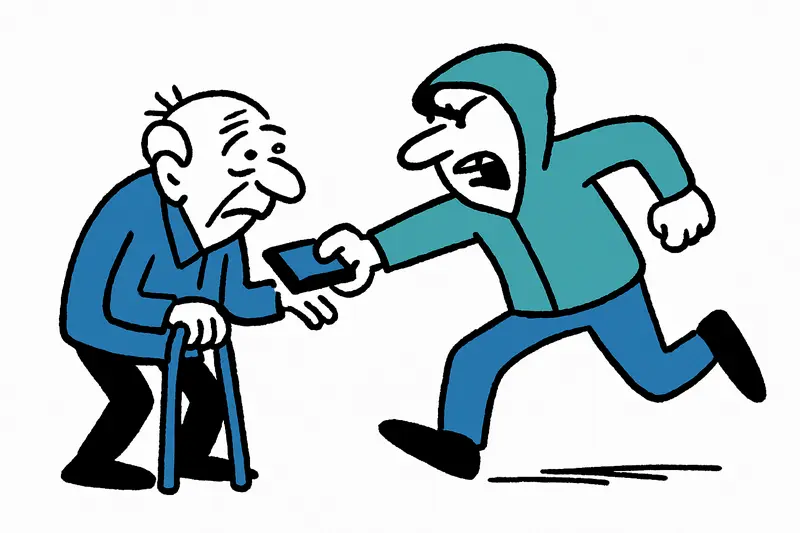
On Friday evening, around 9:15 p.m., a 93-year-old man in Campos was attacked, beaten and robbed on a central street. The perpetrator managed to flee with €10 in cash and the victim's mobile phone. Emergency services and police were alerted, and the senior was taken to a medical center for examination; related reporting has looked at other cases such as Robbery at Can Pere Antoni: Why this incident reverberates — and what needs to happen now.
In short: the facts are starkly simple. A very old victim. Little money. Violence at night. Still, this single case must not create a blanket feeling of powerlessness. We must look closely, ask precise questions and act.
Critical analysis: First, the incident highlights a gap in prevention. Campos is not an isolated backwater — squares, bars and quiet lanes are still lively in the evenings. Yet that street life apparently does not provide enough protection. If attackers can strike on central streets without being immediately caught, response times, visibility and witness networking are clearly insufficient.
Second: target group and motive. Ten euros argue against highly organized crime; rather this points to opportunistic violence, desperation or simple ruthlessness. The perpetrator reportedly had difficulty communicating in Spanish. That raises questions: was it a stranger among tourists, a newcomer with language barriers, or someone from precarious circumstances? Similar opportunistic thefts are documented in Palma: Young man detained over series of necklace robberies — what does this say about our city?. That matters for prevention strategy, but criminal law is concerned with the consequences of the act, not the motive.
Third: social networks and safe spaces for older people. Many seniors are visible during the day in cafés at the plaça or at the bakery; evenings are often quieter. Older people who are out alone are particularly vulnerable. The municipality cannot only react after the fact; it must create feasible measures: safe walking routes, evening accompaniment services, neighborhood initiatives, better lighting at key points.
What is missing in the public discourse: The debate quickly moves from the concrete case to demands for tougher laws — understandable, emotional and politically popular. Tougher laws are a tool; they do not replace presence, prevention or support for the most vulnerable. Nor does the public conversation sufficiently address the causes of petty crime: homelessness, addiction, poverty, lack of social services. Those who speak only about punishment overlook preventive work that protects victims before violence happens; this point was emphasised after reporting on Fatal Discovery in Son Macià: A Case Raising Questions about Protecting Older People.
Everyday scene from Mallorca: In the early evening Campos still carries the scent of freshly baked pa amb oli, the church bell rings, a couple speaks quietly in front of a bar on Carrer Major. This is exactly where many locals want to spend their evening. But since the assault, neighbors look at the intersection differently: the flicker of a lone streetlamp in the square, a moped rider going faster than necessary. This mix of familiarity and mistrust is new and weighs on the feeling of safety.
Concrete solutions: 1) Increase visible presence: targeted patrols by the Guardia Civil or local security services during evening hours on well-known walkways and squares; 2) Lighting and design: better lighting at the incident site and in side streets, clear sightlines; 3) Neighborhood networks: local phone chains, volunteer accompaniment services for older people, partnerships with pharmacies and grocery stores as safe contact points; 4) Preventive social work: mobile social teams that visit at-risk groups; 5) Reporting and witness protection: simple digital reporting channels for observers, rewards for decisive tips in investigations.
Objections will come: More police presence costs money, neighborhood work is tedious, and not all causes can be solved locally. Still: small steps are possible and quickly effective. A well-lit street and a few additional foot patrols have an immediate calming effect — you can feel it in the square where seniors once strolled without worry.
Concise conclusion: The assault in Campos is not an isolated sensational event but a wake-up call. It reveals gaps in prevention, social support and spatial safety. Harsher penalties alone are not a cure-all. Those who want genuine protection for older people must address multiple aspects: presence, lighting, neighborhood initiatives and social work. If the municipality merely shows outrage now, practical gains will be limited. If it uses the anger to change structures, at least a clearer, tangible safety policy can grow from this painful incident.
Frequently asked questions
Is Mallorca generally safe for older people walking out in the evening?
What should I do if I witness an assault or robbery in Mallorca?
Why do town centres in Mallorca sometimes feel less safe after dark?
What safety measures can Mallorca towns take to protect older residents?
What happened in Campos after the assault on the 93-year-old man?
Is Campos safe to walk around in the evening?
Why do crimes like this in Mallorca raise wider social questions?
What practical steps can neighbours in Mallorca take to make a street feel safer?
Similar News
Magaluf: Watchtower Alarm – Lifeguards Pull Unconscious Beachgoer from the Water
After a drama in the late afternoon, two lifeguards at Magaluf beach rescued an unconscious 44-year-old man. He was stab...

Turquoise in the City: How dangerous is the color play of the Sa Riera?
The Sa Riera in Palma suddenly turned turquoise — a pretty motif, but behind the effect lies a discharge of saline waste...

Jeckliner at Sunnesching: Cologne spirit sets sail from Palma
In September 2027 the Mein Schiff 2 briefly becomes a floating carnival stage: four days with Cologne bands, comedy and ...
Finally Home: Mike and Leyla Heiter Buy Villa with Sea View in Mallorca
The reality TV couple Mike and Leyla Heiter have bought a house in Mallorca with a roof terrace and sea view. An Instagr...

Arrest after series in Palma: Who protects apartments from repeat offenders?
The National Police arrested a man in Palma who investigators say may have broken into several apartments. In one incide...
More to explore
Discover more interesting content

Can Cap de Bou

Townhouse Lleo 72
