
Reality Check: Trump, Ceuta and the Language of the Powerful
Reality Check: Trump, Ceuta and the Language of the Powerful
The US president's choice of words is shaking relations: Why does loud criticism help no one — and which issues remain unresolved in dealing with migration and alliance obligations? A view from Mallorca.
Reality Check: Trump, Ceuta and the Language of the Powerful
Why does loudly insulting a NATO partner not help?
Donald Trump has sharply attacked Spain again: he called the country 'ruined' and used the crisis in the exclave Ceuta as proof of a lack of leadership. He also criticized Spain's payment behavior toward the alliance, a dispute detailed in Trump threatens NATO expulsion: What Spain's defense row means for Mallorca.
Key question: Does apparently coarse rhetoric help anywhere — or does it only exacerbate existing problems? This question is central when one looks at the matter soberly.
Critical analysis: A US president who attacks a NATO partner like this does not automatically weaken the partner's negotiating position. He weakens trust. Alliance work depends on consistency, understandable rules and dialogue. If a head of state praises spending increases one week and then adds branding attacks shortly after, the message remains confused. For Spain this creates domestic pressure: opposition forces can instrumentalize the attack, those in government are forced to justify themselves, without the root causes of migration movements changing in the short term. Political visits and debates, such as Merz in Madrid: Why political differences with Sánchez are also felt in Mallorca, show how national disputes filter down to local discussions.
Interestingly, the public rhetoric war lacks a sober look at the root causes: flight and migration movements are not created only by the migration policy of a single country. Economic inequality, political tensions in neighboring regions, border management and the role of regional partners all play a role. The debate often narrows to blame, instead of encouraging analysis of causes.
What rarely appears in the discourse is the perspective of the affected people and local administrations who deal daily with landings, accommodation and integration. On Mallorca this can be seen in small signs: staff in social services on Avinguda d'Alexandre Rosselló, volunteers in Sta. Catalina organizing notices for material donations, taxi drivers who transport refugees from the harbor basins to emergency aid at night. Solutions emerge there, far from the caprices of the international stage.
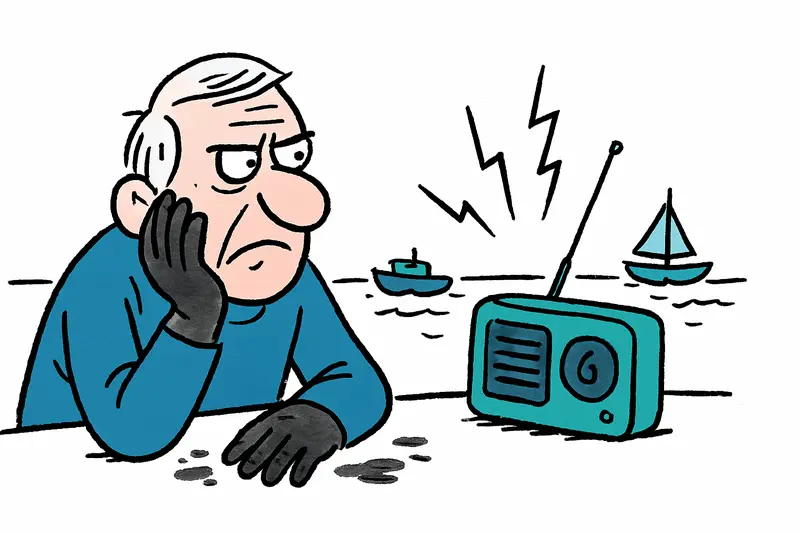
Everyday scene: In front of the café on Passeig Mallorca sits an older fisherman with oil-stained hands shaking his head while the radio reports the latest statements. The boats in the harbor rock gently — for some a job, for others an escape route; the sea even becomes a political stage, as discussed in Aircraft carriers off Mallorca: When the sea becomes a political stage. Scenes like these show: politics meets people, but the loudest voices are not always the most helpful.
Concrete approaches instead of spectacle:
1) Diplomatic de-escalation management: Bilateral talks away from the cameras, clear formulations in NATO bodies and coordinated statements within the EU prevent public insults from causing lasting damage.
2) Transparent communication of facts: Statistics on border movements, length of stay, countries of origin and asylum procedures should be openly accessible and presented in an understandable way - this makes it harder for populism to whip up fear.
3) Strengthen regional cooperation: Spain, the EU and neighboring states must equip longer-term migration agreements, readmission arrangements and joint coast guards so that they function in a lawful and humane way.
4) Expand local capacities: Islands like Mallorca need flexible emergency plans, fast interfaces between municipalities, NGOs and central administration, and short-term financial support when landings occur.
5) Change narratives: Leaders should use fewer phrases and more concrete proposals. Words shape reality - so choose them with care.
What is still missing in the public conversation: an honest assessment of the role of third parties (including economic interests), a balanced debate on border security versus protection needs and an inventory of how NATO commitments are actually translated into national budgets.
Conclusion: Loud insults produce short-lived headlines but no sustainable solutions. For the people on the coasts and in Mallorca's cities, functioning processes matter: clear responsibilities, offers of support, integrated social work. When heads of state make policy with harsh words, theater is created instead of craft. A call to all sides: less show, more responsibility. Then problems can be addressed - on the mainland as well as on the islands.
Frequently asked questions
When is the best time to visit Mallorca for sun, warmth, and swimming?
What should I pack for a Mallorca trip?
What's the best way to get around Mallorca — public transport or car rental?
Are Mallorca beaches safe for swimming and suitable for families?
Does Mallorca have microclimates, and how does that affect planning?
What are good day trips from Palma for a Mallorca visit?
Is Mallorca a good destination for solo travelers?
What should I know about Mallorca’s coast and water activities?
Similar News

World Cup Trophy in Palma: Two Days Up Close
The World Cup trophy is coming to Palma at the end of October: two days on display at City Hall, and on 31 October photo...

End of October: Can you still swim in the sea in Mallorca?
The late-autumn sun still warms the air and the sea has retained its summer heat—many people don't pack away their swimw...
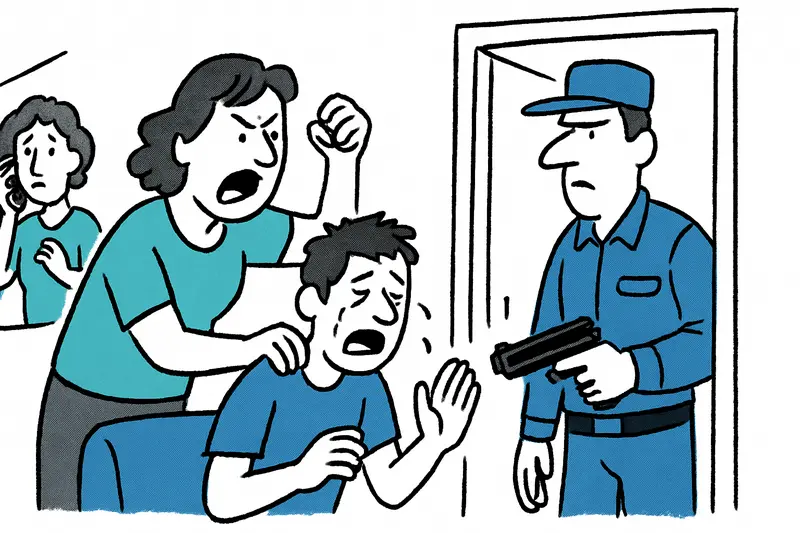
Years of abuse in Costa de la Calma – Neighbor calls Guardia Civil
In a villa in Costa de la Calma a neighbor alerted the Guardia Civil: a 19-year-old woman reported years of violence by ...

Schauinsland Takes Over Management of the Morito in Cala Millor – a Reality Check
From March 2027 the German tour operator Schauinsland will manage the Morito hotel in Cala Millor. The Batle Erikson fam...
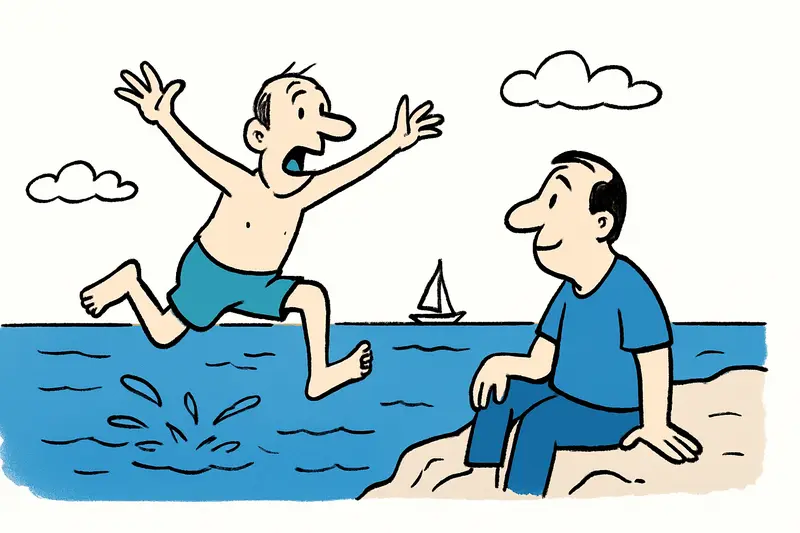
Still bathing season? Why Mallorca still invites a plunge into the sea at the end of October
The air is mild, the beaches quieter — and the water surprisingly warm. We have summarized the current temperatures and ...
More to explore
Discover more interesting content

Can Cap de Bou

Townhouse Lleo 72
