
Record at Night March to Lluc: Over 6,000 Participants and Greater Inclusion
Record at Night March to Lluc: Over 6,000 Participants and Greater Inclusion
For the 52nd time people walked from Palma to Lluc — with more than 6,000 participants and a special focus on people with reduced mobility. A strong evening for community and accessibility on Mallorca.
Record at Night March to Lluc: Over 6,000 Participants and Greater Inclusion
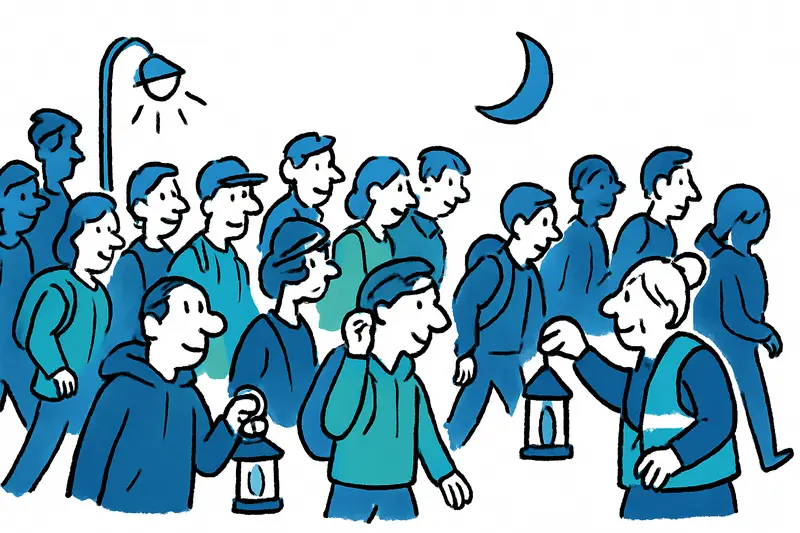
On the night into Sunday, Aragón Street in Palma once again filled with lamp light, breath and the rhythmic steps of a long human chain. For the 52nd time, participants set out on the roughly 48-kilometre route to the Lluc monastery — and in this edition more than 6,000 people made the journey, as reported in Night Pilgrimage: "Lluc a Peu" Connects Mallorca's Communities.
The start took place around 11 p.m. in front of the former site of Bar Güell; there, the DJ's bass mixed with the chirping of cicadas and the murmur of families, groups of friends and lone walkers. Even before departure there was a small supporting program: Zumba with the Mallorca Shakers, quiet acoustics by ELEDÉ, pop-rock from Second Signal and the well-known hits played by DJ Manu Blanco. That helped loosen tired limbs — and ensured that the first kilometres kept to the beat.
The march traditionally passes through Es Pont d'Inca (Marratxí), Santa Maria, Consell, Binissalem, Lloseta, Inca, Selva and Caimari before the Lluc monastery is reached in the pale morning light; this atmospheric but logistically demanding ritual has previously caused traffic disruptions, as noted in Pilgrim March to Lluc: Tradition Meets Traffic Chaos. On the quiet streets at dawn one saw lanterns, reflective vests and the occasional lights of cars slowly following behind. At several points residents handed out water bottles and small snacks; at a junction between Binissalem and Lloseta older women stood with buckets full of orange slices — a simple, human gesture that refreshes a lot.
New this year was the special effort for people with reduced mobility. Organisers provided several adapted minibuses, with whose help 58 people were able to complete the entire route or sections of it. For many this was the chance to take part in this communal experience that would otherwise be physically too demanding. Such measures changed the atmosphere: instead of being a purely sporting event, the night march became noticeably more inclusive.
Those who looked closely discovered small everyday scenes that give it charm: a father readjusting his child's headlamp, two young men sharing paella leftovers from a plastic bag, or a group of cyclists briefly stopping to make way for the marchers before heading back into the darkness. The scent of pine and almond blossom mingled with the smell of coffee from mobile kiosks that had their machines heating up early.
The origin story of the night march is part of local lore: in the 1970s a restaurateur began the walk to Lluc as a thank-you to the island's patron saint. The tale that his daughter once remained unharmed after a siphon bottle shattered in his bar was mentioned by participants along the way — sometimes as an anecdote, sometimes as a sincere reminder of why people keep this tradition.
What makes the event so important for Mallorca? On the one hand, there is social cohesion: people from different towns walk together, talk and help one another. On the other hand, the latest edition shows that traditional events can be modernised without losing their core. The support for participants with mobility restrictions is an example of how local customs can become more inclusive — a message that reaches beyond the night route.
Looking ahead: there is room for improvement. More barrier-free rest points along the route, additional toilets with accessible facilities and clearer marking of the assistance teams would further improve the experience. Closer cooperation between the municipalities along the route could also ease the supply situation at critical points.
At the end of the march, when dawn bathed the monastery in a cold light and the last steps were met with applause, the mood was grounded and joyful. You don't see something like that every day: a large part of Mallorca sleeps less because people achieve something together. For many participants it was more than a walk — it was a small pledge to the island and to the community. And that sounds like a tradition that will live on for a long time.
Frequently asked questions
What is the Night March to Lluc in Mallorca and how many people participate?
When does the walk start and what route does it follow to Lluc?
How has inclusion been addressed this year for the Night March?
What is the atmosphere like along the night march?
What practical tips should walkers consider for the Night March?
Why is the Night March considered important for Mallorca?
What improvements have been suggested for a smoother experience?
Where does the Night March originate and what's the story behind it?
Similar News
Failed before the first flight: How Fischer Air's plans for Palma were ground down
Announced routes, repeated postponements and now apparent insolvency: Why the Fischer Air project for Mallorca is not me...
Seconds in the Water: 19-year-old Fights Her Way Out of Flooded Car in Palma
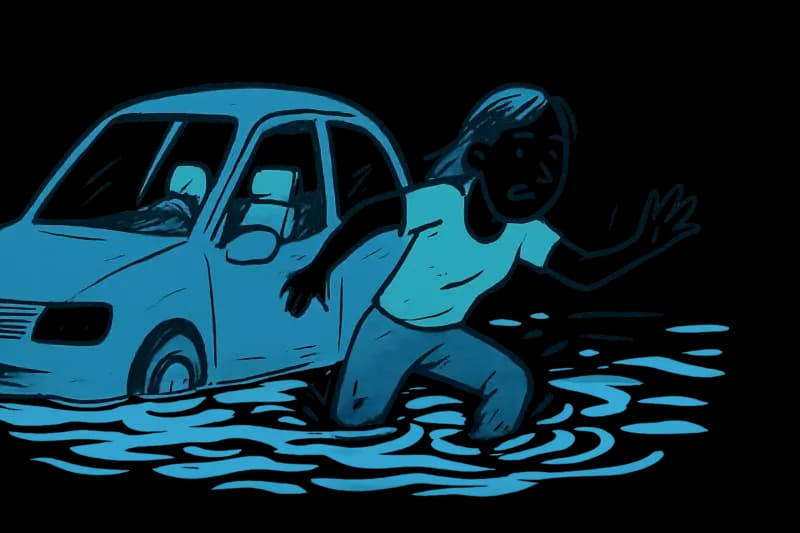
A 19-year-old managed to rescue herself from her half-submerged car after sliding under the Verge de Lluc underpass. Res...
Between Dream and Reality: Thorsten Legat and the Challenges of FC Germania Mallorca
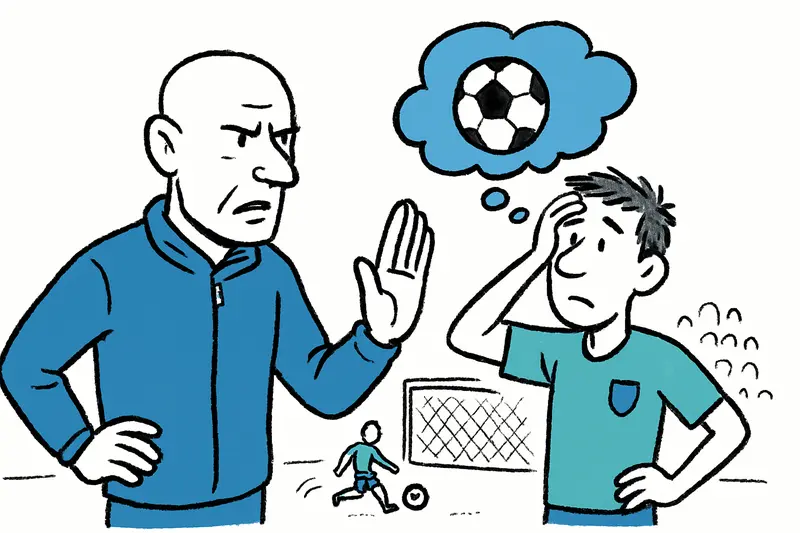
The former Bundesliga pro has assembled a colorful squad in a short time. But how realistic is the grand plan for promot...

Arrest warrant at check-in: Why two travelers at Cologne/Bonn Airport suddenly had to pay
At Cologne/Bonn Airport, federal police in mid-September found two German passengers subject to enforcement measures. Bo...
Balearic Islands as a New Route: A Reality Check on Rising Boat Migration
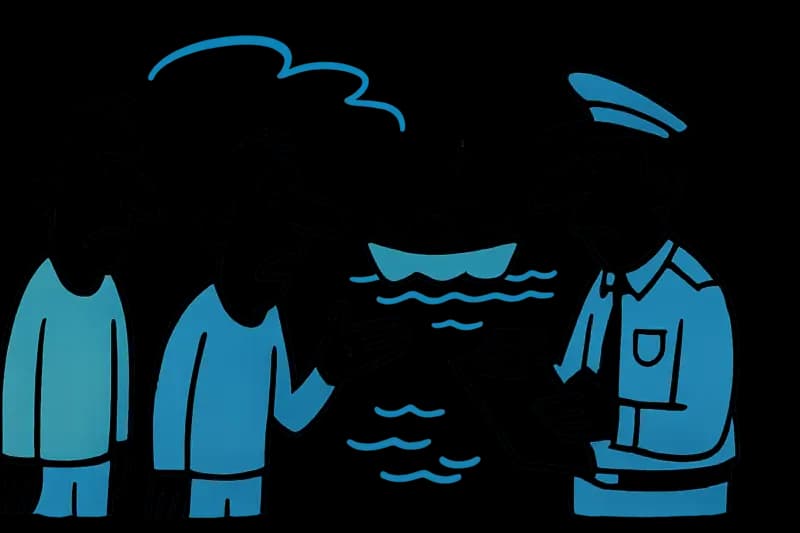
For the first time the Balearic Islands are ahead of the Canary Islands in boat arrivals. What do the numbers really say...
More to explore
Discover more interesting content

Can Cap de Bou

Townhouse Lleo 72
