
When Rents Strangle Shops: Balearic Islands between Boom and Vacancy
When Rents Strangle Shops: Balearic Islands between Boom and Vacancy
Commercial rents in the Balearic Islands are climbing to record levels. What does this mean for small retailers in Palma and Ibiza — and what steps could still save the islands?
When Rents Strangle Shops: Balearic Islands between Boom and Vacancy
Main question: How long can local shops withstand rising commercial rents?
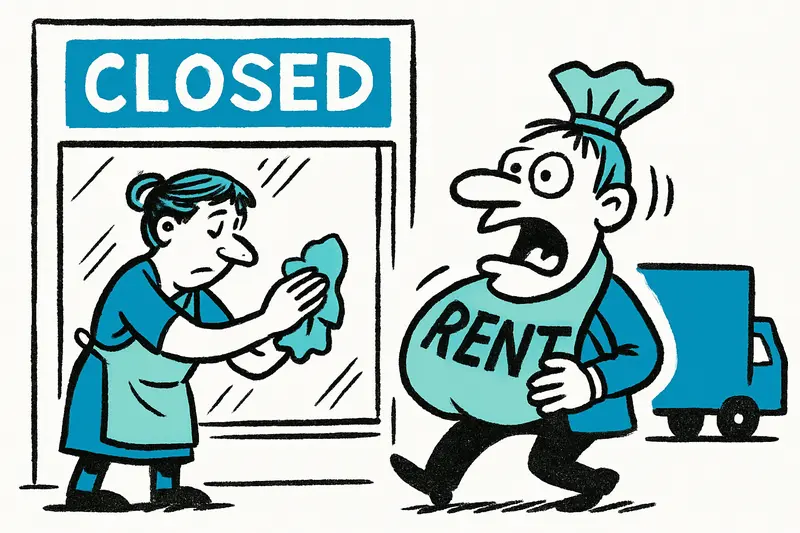
On an early morning in Palma's old town, 25°C and the faint hum of mopeds on the Passeig. Delivery vans stop in front of a closed shop, a saleswoman wipes the display — and wonders how much longer the rent will make sense. The figures from the Real Estate Registration Statistics yearbook of the Notary Chamber paint a clear picture, as shown in Buying and Renting in Mallorca: Why Prices Are Pushing Locals to the Edge — and What Could Help Now: prices and rents for warehouses, garages and retail spaces in the Balearic Islands rose significantly in 2025. Industrial halls increased by around 32 percent to about €1,373 per square meter; garages are around €1,723/m², storage or utility rooms about €1,438/m². Commercial spaces on average reach around €1,850/m² — roughly €600 above the Spanish average.
Concretely: in parts of Ibiza monthly rents for retail premises exceed €4,000, while the average in Palma is around €3,000. Prime locations reach peak values of up to roughly €3,938/m², on Ibiza even higher. Such sums are hardly sustainable for local bakeries, small workshops or family boutiques, as reported in When Rent Eats More Than Profit: Palma's Small Shops on the Brink. At the same time, trade associations report growing emptiness in some streets — businesses hesitate, close or move away, a trend also covered in Living in Crisis: Why Tenants Are Now Paying the Price on the Balearic Islands.
Critical analysis: the rising prices have several drivers. Investor demand focused on returns meets limited supply in inner-city locations. Tourist pressure and a shift toward high-margin spaces (souvenirs, luxury) displace everyday providers. At the same time, e‑commerce is changing customer behaviour, so physical spaces are occupied less flexibly. The result: rents climb and the structure of the streets changes.
What is often missing in the public debate: two things. First: the temporal dimension. Increases in square-meter prices are not just numbers; they destroy livelihoods within months, not decades. Second: the mechanisms on the demand side. It is not enough to say "investors drive prices" — one must explain which tax, planning and financing rules enable them to do so, as argued in Housing Price Shock in Mallorca: How Legal Large Rent Increases Threaten Tenants. Without this clarity, proposals remain vague.
Everyday scene: arriving at the Plaça Major you increasingly see holiday apartments, tour groups and luxury shops. On Carrer de Sant Miquel two elderly women chat about the closed tavern on the corner. The noise of construction sites mixes with the ringing of a taxi. Such scenes show: the city is changing its rhythm — and the pace does not always fit those who live and work here.
Concrete solutions — realistic and local:
- Time-limited rent caps: municipal rules could set a ceiling for new leases in certain street zones or implement graduated caps instead of blanket bans.
- Vacancy tax: a tiered tax on permanently vacant commercial spaces would likely motivate owners to actively market or rent out spaces more cheaply.
- Support programs for long-term leases: subsidies or tax relief when owners promote rentals with minimum terms relieve tenants and create planning security.
- Municipal purchases and interim uses: cities could strategically buy or long-term lease locations to allocate them to local initiatives, craft cooperatives or start-ups.
- Business incubators in peripheral areas: storage spaces and halls that are now expensive could be connected to city centres via subsidised shuttle logistics, thereby relieving smaller retailers.
- Transparent space data: a public database on rents, vacancy durations and ownership structures creates pressure for accountability and improves the negotiating position of small entrepreneurs.
These instruments are not a panacea. They encounter legal and budgetary limits and require regional coordination — but they shift the balance of power away from short-term returns and toward usability for the neighbourhood.
What is needed now: bold, visible measures at the local level. Too often signals are sent, but no binding instruments are implemented. Politicians and municipalities cannot just talk; they must make land-use policy a priority, reallocate budgetary resources and set clear usage goals for core locations.
Concise conclusion: If we do nothing, some streets will turn into gleaming shop windows for tourists — and lose everyday life. Those who want to protect residents and shopkeepers must not hide behind global market forces. On Mallorca, in Palma and on Ibiza the opportunity lies in creating rules that let the local economy breathe. Otherwise you'll soon hear more rolling suitcases than children's laughter in the squares.
Frequently asked questions
Why are shop rents rising so fast in Mallorca and the Balearic Islands?
Can small shops in Palma still afford central locations?
What is happening to empty shop units in Mallorca?
How much are retail rents in Palma compared with the rest of Spain?
Are rent caps for commercial spaces possible in Mallorca?
What can Mallorca municipalities do about vacant shops?
Why do Mallorca’s old towns feel more tourist-focused than before?
What are the consequences of high commercial rents for everyday life in Mallorca?
Similar News

Nipping Sea Creatures: Why Bathers in Cala Major and Elsewhere Should Be Cautious
In Cala Major, bathers have reported being nipped by small fish. What is behind it, how can problems be avoided — and wh...
Forced eviction in Santa Catalina: When a 65-year-old slept in her car and showered on the beach — a question of responsibility
The story of Pilar López from Santa Catalina represents a problem affecting many Mallorcans: How can an island with a bo...

New traffic rules from October 1: What Mallorca visitors and locals need to know
From October 1, 2026, Spain will implement far-reaching changes to traffic regulations. Important for Mallorca: greater ...

More water than last year: Mallorca's reservoirs breathe easier
September rain refilled the Tramuntana's reserves: overall fill around 35 percent, Cúber at 40.42 percent, Gorg Blau at ...

Three Luxury Hotels in Banyalbufar: Lots of Money, Many Questions
A Danish investor plans three exclusive accommodations in Banyalbufar — including the historic Son Valentí. The announce...
More to explore
Discover more interesting content

Can Cap de Bou

Townhouse Lleo 72
