
Why the Tramuntana Is More Than Postcard Idyllic: Rescue in the Torrent de Pareis
Why the Tramuntana Is More Than Postcard Idyllic: Rescue in the Torrent de Pareis
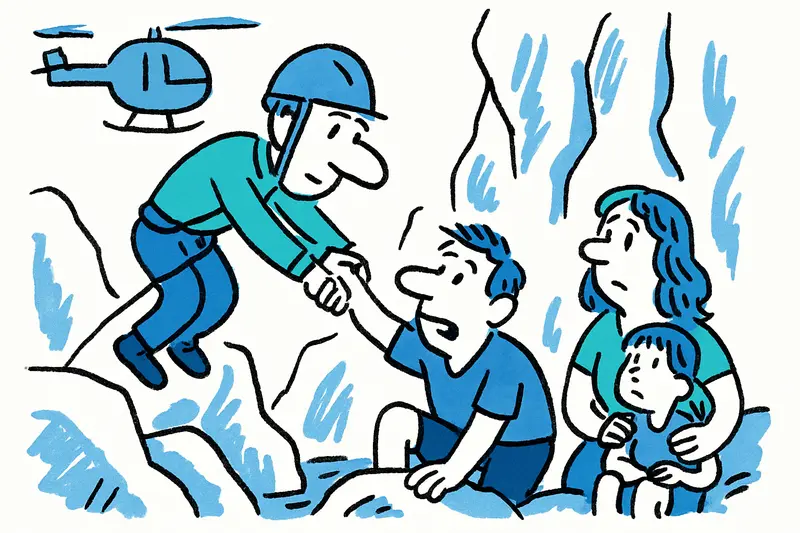
On Saturday a nine-year-old girl was rescued from the Torrent de Pareis. The operation shows that good weather alone does not make a tour safe. What is missing: clear rules, better information and more precautionary measures.
Why the Tramuntana Is More Than Postcard Idyllic: Rescue in the Torrent de Pareis
Key question: Why do families repeatedly end up in danger – and who must act?
On Saturday evening a nine-year-old girl was rescued from the Torrent de Pareis. The group, consisting of four adults and the child, had crossed sections with water and could not continue afterwards. Shortly after it became clear that another couple was stuck in the same rock crevice, so emergency services ultimately had to recover seven people. The helicopter team 'Sa Milana' and the mountain rescue unit from Sóller worked hand in hand; within about two hours all those involved were brought out of the gorge. Similar coordination was reported in Dramatic Helicopter Rescue at Puig Major: Lessons from an Afternoon in the Tramuntana.
At first glance this sounds like successful rescue work – and it was. Nevertheless, the incident should not be dismissed as an isolated case. In the days before there had already been several operations, for example the recovery of a mother with her two small children in Mortitx. Local coverage has noted similar incidents, for example From Mountain to Hospital: What the Rescues at Puig de Galatzó and Torrent de Pareis Reveal About Mallorca's Hiking Tourism.
Why is that? Many visitors arrive in holiday mood, wearing shorts and trainers, see photos of impressive canyons and think, 'We can do that too.' But the Tramuntana is not a hiking park for spontaneous family outings. Especially torrents like the Torrent de Pareis change quickly after rainfall, become slippery, form deep water pools and demand sure-footedness, navigational ability and proper equipment.
What is often missing in public debate are concrete numbers and clear responsibilities. How many rescue operations actually take place annually in the Tramuntana? Who bears the costs when private individuals repeatedly require assistance? And how do you coordinate warnings that reach both tourists in Palma and rental car drivers at remote parking spots? Without transparent data answers remain vague – and measures usually react only after something has happened.
One scene I observed on Saturday afternoon at the Sa Calobra car park: stalls selling cold drinks, the sound of rental car engines, a group in flipflops and carrying a light backpack, children in sandals and sun hats. Some couples were studying photos on their smartphones, tourists were asking questions in rapid succession – 'Is the path difficult?', 'How long is it?' – and the only immediate information was a small sign that was hardly noticeable. This mixture of nonchalance and ignorance is dangerous.
Practical, actionable measures can reduce the number of such operations. Top of the list are more visible, multilingual information boards at common parking areas and access points that not only state length and duration but also equipment requirements and risks when wet. Temporary, weather-dependent closures after rainfall should be possible – not as a nuisance, but as a protective measure.
Also: people entering the torrents should receive easily accessible mandatory information. Rental car companies, ferry and bus operators as well as holiday accommodation intermediaries could hand out standardized notices. A simple registration requirement for certain routes – a short online form with a phone number and planned return time – would greatly ease rescue work.
On the rescuers' side there is a need for more than symbolic gestures: long-term equipment and funding for specialized teams, more training days, better linked radio infrastructure in remote valleys and sufficient flight hours for helicopter crews. Volunteer mountain rescuers and local guides are valuable, but their work should be plannable and reliably financed.
The local community can also help: mountain innkeepers/farmers, bars and small shops along access routes can provide information leaflets; hospitality businesses often know the local weather quirks and can warn guests early. Guided tours as an alternative for inexperienced families should be more strongly promoted – a knowledgeable guide usually pays off many times over.
What everyone can do right now: realistically assess whether the planned route matches your fitness level; take sturdy shoes, a rain cover and enough water; above all, pay attention to children's sure-footedness. If in doubt, skip the hike and choose a safe viewpoint or book a guide.
Conclusion: The rescue in the Torrent de Pareis was an example of functioning cooperation between air and ground teams. It should also be a reason to better organize rules and information around the Tramuntana. This is not about bans but about proportionality: a bit more preparation, better information and clear seasonal rules would prevent many operations – and lessen the lingering impact such dramatic hours leave on locals and visitors.
Frequently asked questions
Is the Torrent de Pareis in Mallorca suitable for a family hike?
What should you wear for hiking in the Tramuntana in Mallorca?
When is the Torrent de Pareis more dangerous in Mallorca?
What happens if hikers get stuck in the Tramuntana in Mallorca?
Do you need a guide for hiking the Torrent de Pareis in Mallorca?
Where is Sa Calobra and why do hikers start from there in Mallorca?
Why are rescue operations so common in Mallorca’s Tramuntana?
Can the Torrent de Pareis be closed after rain in Mallorca?
Similar News
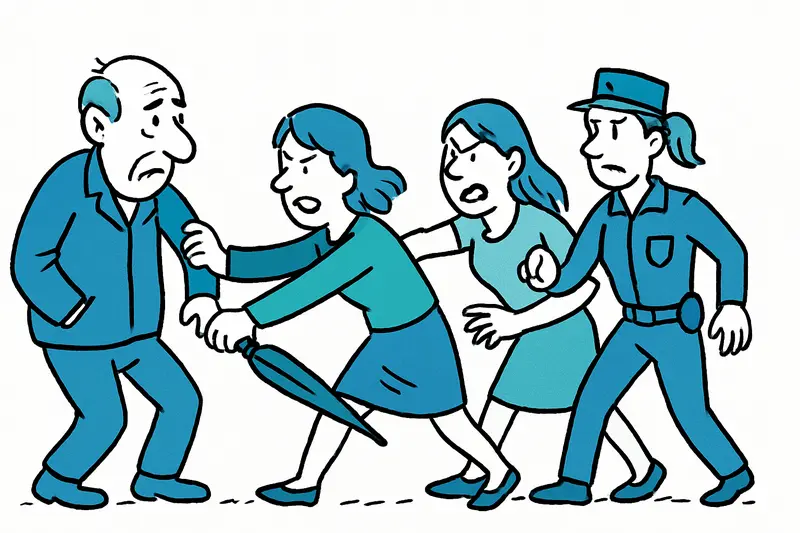
When the Wallet Becomes a Danger: Attack in Peguera and Lessons for Mallorca
In Peguera, two women are said to have stolen the wallet from a 75-year-old German couple. When the victim intervened, t...
Plata stays Plata: Young people take over, Llonguets remain
A small bar on Carrer de l'Argenteria will continue: Tolo Serra hands the place over to young Mallorcans at the end of t...
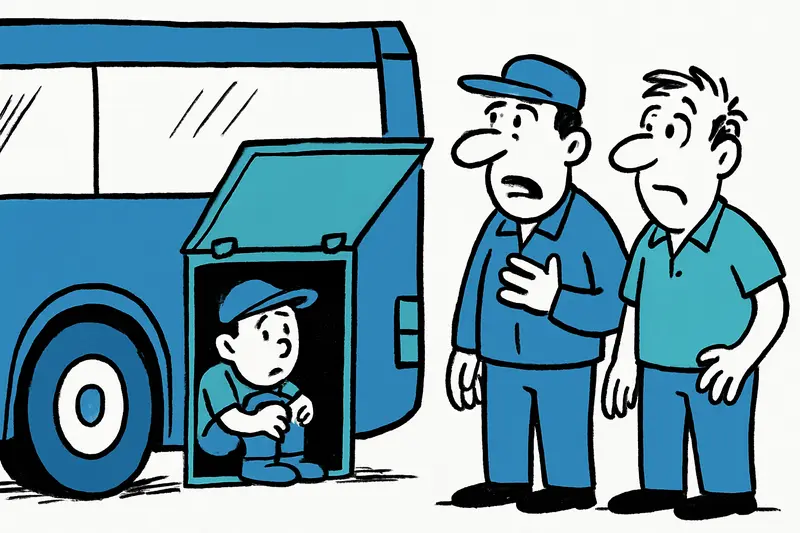
Unnoticed in the Luggage Compartment: How a Boy Traveled More Than 100 Kilometers in a Team Bus
A minor traveled in the undercarriage of a team bus for more than 100 kilometers until his cries for help were heard. A ...

Cap Vermell Grand: Second Michelin Key – a Gift for the East
The Cap Vermell Grand in Capdepera has been awarded its second Michelin key. For the region this elevates the luxury off...
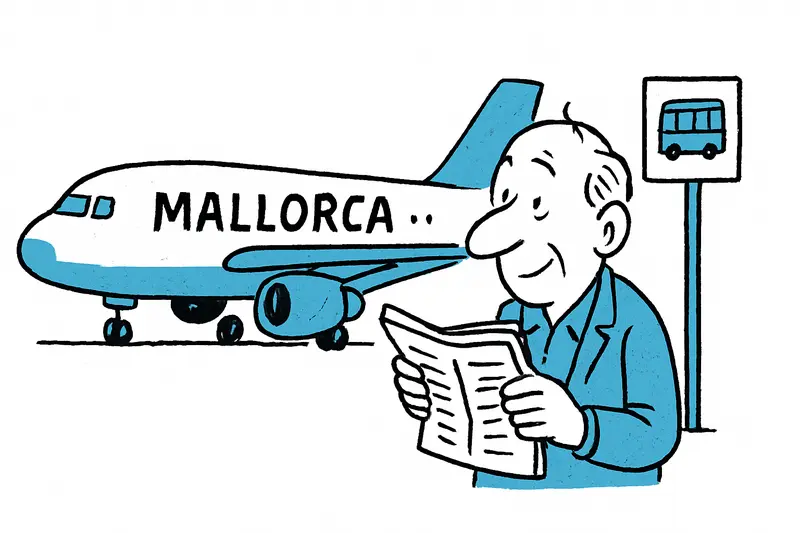
Eurowings lets four aircraft carry names – a friendly idea that also reaches Mallorca
Eurowings is launching a campaign: four Airbus A320s are to carry the first names of people who help others in everyday ...
More to explore
Discover more interesting content

Can Cap de Bou

Townhouse Lleo 72
