
Mallorca researcher urges simple beach habit: take litter, provide data
Mallorca researcher urges simple beach habit: take litter, provide data
Ananda Pascual from IMEDEA asks visitors to collect and record small pieces of litter during beach walks. On Mallorca, such gestures can strengthen both marine conservation and research.
Mallorca researcher urges simple beach habit: take litter, provide data
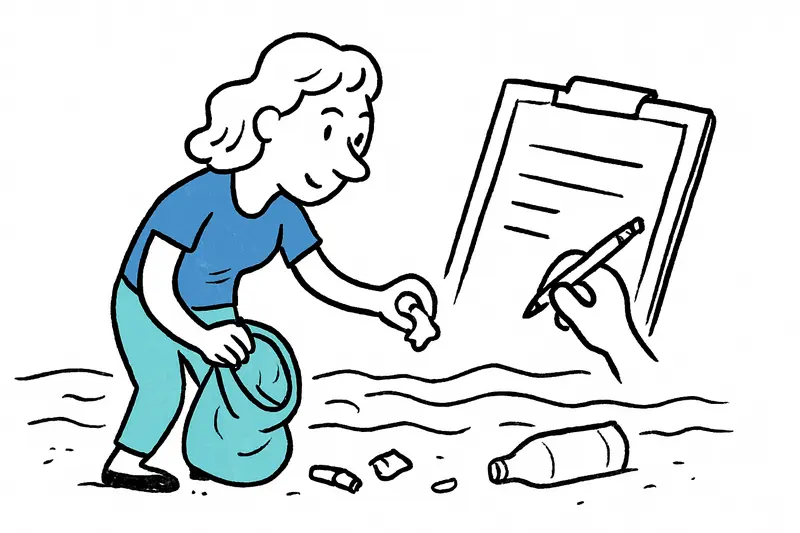
In the early morning, when fishermen spread their nets along the Passeig and seagulls circle over the harbor, there is often more than the smell of coffee in the air: small snippets of plastic, cigarette filters among shells, a lost drinking cup at the waterline. Marine researcher Ananda Pascual from the Institute of Mediterranean Studies IMEDEA now offers a simple suggestion: anyone walking on the beach should pick up a few of the small pieces of litter, dispose of them properly — and, if applicable, note what and where they found them. A simple habit, she says, can have a surprisingly large impact in the Balearics.
The idea may sound banal, but it works on two levels: it protects coasts and at the same time provides information for research. If people systematically record on their walks which section of the coast they found litter on, at what time of day, and which type of plastic appears most often, practical observational data is created. Such clues help scientists draw conclusions about sources and distribution patterns — for example, whether certain packaging is more likely to get stuck in coves or whether fishing lines are more common on groynes.
On Mallorca, beach runs by families, joggers and retirees are everyday scenes: children dig at Cala Major, couples stroll along the Paseo Marítimo, workers tidy up after market stalls. Precisely here, in these everyday moments, lies the opportunity. Pascual emphasizes: it is not about replacing volunteer cleanup groups, but about creating small, lasting rituals. A handful of litter per walk, kept in a bag until the next waste collection point — and it adds up.
Practically, this means: a reusable bag or a small pouch with disposable gloves in the beach bag, briefly note (location, time, rough category: bottle, film/foil, cigarette, fishing gear), and at the end dispose of items in the appropriate containers. Schools, neighborhood groups or beach bars can support this: collection stations with simple forms, a drop box at the quay or small information signs at access points are often enough to get started.
That such engagement works is shown by a recent operation in Puerto Portals: on the occasion of World Cleanup Day volunteers and technical dive teams met, at the end of which an approximately three-ton llaüt was recovered. While the divers worked on the seabed, helpers in kayaks and collection boats patrolled the coastal zone and collected microplastics as well as visible litter from the water and the beach. Such local actions and the everyday collection habit complement each other.
On the administrative level, little would be needed to turn the civic duty into a real community movement: better signage at beach access points, additional bins for separate fractions and clear instructions on where finds such as fishing nets should be reported. It is also important that the collected observations have a place where they can be put to use — a simple online list by a municipality, a form at a conservation association or a local collection campaign organized by schools.
Anyone who walks by the sea on a mild October day can take responsibility home along with the sound of the waves and the sight of fishing nets. It takes little time, sets an example for the youngest and gives researchers like Pascual extra eyes on the coast. A few bags, a pen, a short entry — nothing more. On Mallorca, such small things can help keep large beaches livable.
How to get started
1. Pack a small bag and gloves in your beach bag. 2. Note the find location briefly (bay name, access point, time). 3. Record the category: bottle, packaging, cigarette, fishing gear, microplastic (as accurately as possible). 4. Dispose of waste in the appropriate containers or report hazardous items. 5. Invite others: bring friends, neighbors, children.
Frequently asked questions
What is a simple habit I can adopt to help Mallorca keep its beaches cleaner?
How should I document litter I find on Mallorca's beaches?
What happened at Puerto Portals on World Cleanup Day?
What gear should I bring for beach litter collection in Mallorca?
How can communities around Cala Major support this habit?
Why is recording litter data important for researchers in Mallorca?
Why are everyday beach routines valuable for environmental action in Mallorca?
What should I do with the litter I collect during a Mallorca beach walk?
Similar News
New lift on the Passeig Marítim brings El Terreno closer to the seafront promenade
In Palma the city is building a lift between Calle Patrimoni and the Passeig Marítim at Parc de la Quarentena. The proje...
Drama at Cala Agulla: 45 Minutes of Resuscitation — What the Rescue Tells Us
On Wednesday afternoon lifeguards pulled an unconscious tourist out of Cala Agulla. Resuscitation lasted 45 minutes befo...
Gloomy Days in Majorca: Why the Next Low Pressure System Should Make Us Nervous
Thick clouds over Palma, storms at sea and red warnings for Valencia: AEMET forecasts showers at least until Monday. Wha...
Maribel: Five Decades of Service – Housekeeper from Peguera Celebrated with a Special Honor
Over 50 years in the hotel business: María Isabel “Maribel” Molinos was honored in Palma at the Nit del Turisme by Unive...
Orange Alert over Parts of Mallorca: Are We Prepared?
Dark clouds and an announced wet spell have triggered an Orange alert in parts of Mallorca. A reality check: what's miss...
More to explore
Discover more interesting content

Can Cap de Bou

Townhouse Lleo 72
