
Rethinking Playa de Palma: What the masterplan can really change — and what it can't
Rethinking Playa de Palma: What the masterplan can really change — and what it can't
Palma's mayor Jaime Martínez presented an extensive plan for the Playa de Palma at the ITB. What might improve, what will be postponed and what could be missing — a critical look from the island's everyday perspective.
Rethinking Playa de Palma: What the masterplan can really change — and what it can't
Key question
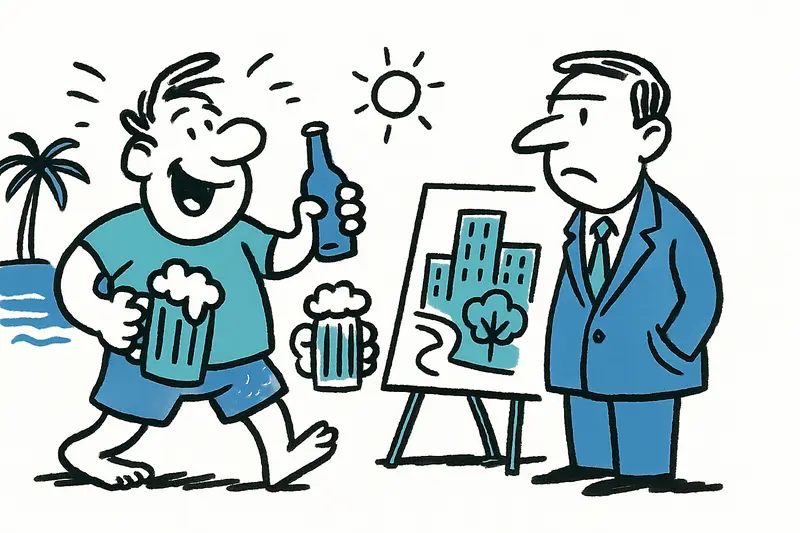
Can the planned program help Palma transform the Playa de Palma from a noisy party strip into a sustainable neighborhood for locals and visitors — without harming the area's income and character?
In short: The facts
At the ITB in Berlin, Mayor Jaime Martínez presented a package of more than thirty measures to reshape the Playa de Palma: more green space, five "green corridors", protection and enhancement of the Es Carnatge nature area, redesign of the Plaza de les Meravelles and Mar Jònic Park, expansion of BiciPalma by 13 stations, an above-ground car park in Les Meravelles with about 300 spaces, a 20,000 m² exhibition center for up to 8,000 visitors (construction planned from 2027), as well as several housing projects (Ses Fontanelles: ~400 apartments, Vista Alegre: ~200). These measures are complemented by stricter action against illegal holiday rentals and a moratorium on new tourist licenses in the Playa zone, and local residents handed a concrete 36-point catalog to city hall.
Critical analysis
The list is long and ambitious. But planning is not the same as implementation. The problem lies less in the projects themselves than in their interfaces: who will address social consequences, who guarantees real ecological enhancement instead of "greenwashing", and how will traffic and parking actually be managed if an exhibition center is to be built at the same time?
The car park with 300 spaces sounds like a practical solution — yet new capacity often attracts additional traffic and makes the center attractive again for day trips by car. The related idea of a Palma–Llucmajor rail connection makes sense but falls outside the timeline of many projects; without clear route and funding commitments it remains future music.
What has been overlooked in the public debate
1) Rental pressure: Building new apartments sounds good, but without binding requirements for social housing there is a risk of displacement and sales to investors. 2) Conversion of operations: Statements about converting small hotels into apartments or public use need concrete incentives and legal instruments. 3) Ecological standards: "Renaturation" must not only mean planting actions; soil sealing, groundwater and long-term maintenance plans are often missing in early concepts. 4) Transparency: Citizens need binding timelines, cost breakdowns and forms of participation.
Everyday scene
Imagine a Wednesday evening: strollers on the paseo, the rumble of construction machines mixing with music from a bar on Calle de la Playa, an elderly woman pushing her shopping along the spot where the quay wall stood a year ago. A tourist is trying to lock his e-bike at a BiciPalma station that is not yet active. These small scenes show how tightly construction progress, tourism and neighborhood life are intertwined — and how quickly routines can change. This is documented in a report titled Major redevelopment work is starting at Playa de Palma and Castillo de Bellver.
Concrete solutions
1) Housing quota: Make 30–40 percent social housing mandatory in new builds, linked to local rent controls. 2) Conversion fund: A support package for hoteliers who convert small properties into permanent housing or public-use spaces. 3) Mobility management: Operate the car park as park-&ride with a clear tariff structure, coordinated shuttle buses and priority for rail connections. 4) Eco-monitoring: Independent evaluation of green projects after three, five and ten years, financed from project funds. 5) Participation: Neighborhood councils in Les Meravelles and along the Camí de les Meravelles with binding participation rights in detailed planning.
Conclusion — pointed
The masterplan contains many building blocks and the chance for transformation is real. But without clear rules on affordability, transparency and mobility much remains symbolic. Those building now must not only export attractiveness but guarantee that the Playa de Palma remains livable for people who live here. Otherwise in a few years we'll have a greener postcard motif — and the same problems as before.
Frequently asked questions
What is the Playa de Palma masterplan trying to change?
Will Playa de Palma stop being a party area in Mallorca?
What new transport changes are planned for Playa de Palma?
Is the new car park in Playa de Palma a good idea?
Will Playa de Palma get more housing for local residents?
What is happening in Es Carnatge and the green areas around Playa de Palma?
When will the new exhibition center in Playa de Palma be built?
What concerns do locals have about the Playa de Palma redevelopment?
Similar News
When the Wallet Becomes a Danger: Attack in Peguera and Lessons for Mallorca
In Peguera, two women are said to have stolen the wallet from a 75-year-old German couple. When the victim intervened, t...
Plata stays Plata: Young people take over, Llonguets remain
A small bar on Carrer de l'Argenteria will continue: Tolo Serra hands the place over to young Mallorcans at the end of t...

Unnoticed in the Luggage Compartment: How a Boy Traveled More Than 100 Kilometers in a Team Bus
A minor traveled in the undercarriage of a team bus for more than 100 kilometers until his cries for help were heard. A ...

Cap Vermell Grand: Second Michelin Key – a Gift for the East
The Cap Vermell Grand in Capdepera has been awarded its second Michelin key. For the region this elevates the luxury off...

Eurowings lets four aircraft carry names – a friendly idea that also reaches Mallorca
Eurowings is launching a campaign: four Airbus A320s are to carry the first names of people who help others in everyday ...
More to explore
Discover more interesting content

Can Cap de Bou

Townhouse Lleo 72
