
Mallorca by UTMB: When the Tramuntana Sets the Pace — Who Pays the Price?
Around 2,400 runners will set the Serra de Tramuntana beating this weekend. For residents, tradespeople and emergency services this means increased planning — and often unanswered risks. A look at closures, side effects and practical improvements.
Mallorca by UTMB: When the Tramuntana Sets the Pace — Who Pays the Price?
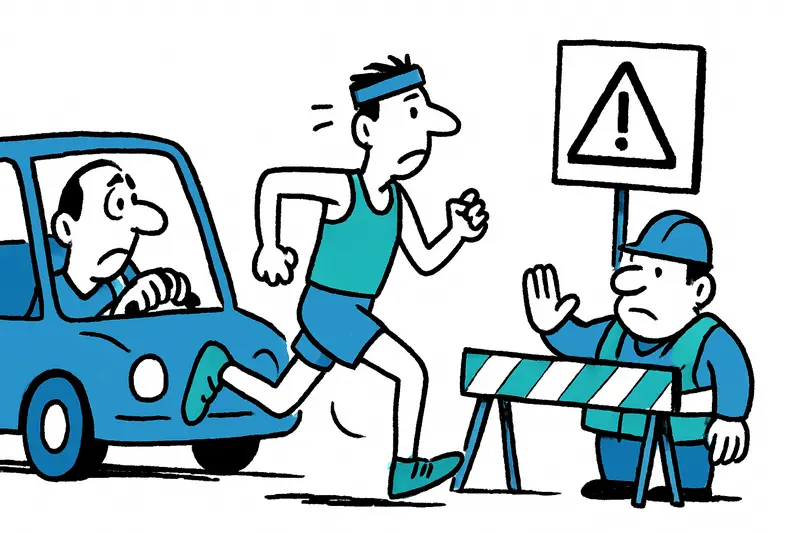
The Tramuntana becomes a running stage this weekend: thousands of participants, hundreds of volunteers, start times from midnight to the early morning, as reported in Gran carrera de trail «Mallorca by UTMB» provoca cortes de carretera – lo que deben saber los conductores. For the mountain villages this means more than applause. Closures, one-way systems and short-notice detours change everyday life — and they reveal how well (or how poorly) the island is prepared for such moments.
When will which roads be closed?
Start: Tonight from 00:00. Expected end: Tomorrow around 6:30 pm, depending on the section earlier or later. Measures are fragmented: some passages will be completely closed for short periods, others regulated by traffic lights or one-way systems. The Ma-10 remains particularly delicate with its tight hairpins, viewpoints and almost no alternative routes; check Dirección General de Tráfico (DGT) traffic information.
Which places are affected?
Places particularly affected are Sóller and Port de Sóller, Valldemossa, Bunyola, Alaró, Lluc as well as access roads around Inca and to Palma. Many small access roads and lay-bys in the Serra de Tramuntana will be temporarily difficult to reach (see Serra de Tramuntana UNESCO World Heritage information). Those who normally inhale the scent of pines and citrus trees with the window open will instead hear strings of lights, the rustle of race numbers and occasionally the distant ringing of a goat or sheep bell.
Main question: Who pays the price for the sporting shine?
The big picture is quickly told: an international sporting event (see UTMB World official site), attention for the island, tourist added value. The critical question, however, is local: how are residents, craftsmen, delivery services and emergency services protected when roads become narrower? In many discussions two issues are underexposed: the supply security of remote villages and the free passage for emergencies.
What is often insufficiently discussed
Small businesses are often overlooked: the baker who has to bake in the morning; the plumber with an emergency appointment; the care worker on the way to a home visit. Volunteers who manage the roadblocks are also a forgotten group. They stand exposed on the passes or in the midday heat, managing traffic and risk — often for small allowances. And finally: the immediate impacts on flora and fauna when mountain slopes and gravel paths are subjected to increased short-term strain.
Practical tips for drivers, residents and businesses
Leave early: If you have appointments, plan generous time buffers. Better to start an hour earlier than get stuck in a jam.
Follow official instructions: Police and volunteer directions are binding. Arguing at a closure rarely changes anything.
Public transport and park-and-ride: Buses are often less affected; parking at the foot of the mountains and a shuttle service are currently the least stressful solution—check EMT Palma bus services.
Tradespeople, delivery services: Reschedule appointments or agree alternative routes with customers.
Emergency services: Communicate deployment plans early and clarify reserve corridors; this can save lives.
How it could run better: concrete proposals
Some practical improvements are quickly named: a clearly communicated digital closure map (via SMS, local radio notices, municipal websites) would prevent morning chaos. Mandatory, marked rescue corridors along critical sections should not be negotiable. Additional shuttle buses from parking areas at the foot of the hills would reduce private cars and relieve the narrow hairpins.
In the long term a tiered closure concept would make sense: exempt essential supply routes, impose requirements on organizers (information duties, a compensation fund for affected small businesses) and coordinate deployment plans with fire brigades and Cruz Roja Española. Such measures cost money, but they make large events more tolerable for the everyday life of island residents.
Why watching is still worth it — and what matters
Those not dependent on a car can experience an atmospheric spectacle: runners with headlamps threading hairpin bends by moonlight; volunteers in flashing vests; the rustle of race numbers against the scent of pine. It is a moment where nature, sport and community collide.
Our advice: check official traffic announcements before driving, give volunteers space and plan buffer times. That keeps the day more bearable for runners, helpers and residents — and lets the Tramuntana keep breathing.
Frequently asked questions
Will roads in the Serra de Tramuntana be closed during Mallorca by UTMB?
Which towns in Mallorca are most affected by the UTMB race?
How should I plan driving in Mallorca on the day of Mallorca by UTMB?
Is public transport a better option in Mallorca during the UTMB weekend?
What should residents and small businesses in Mallorca expect during Mallorca by UTMB?
Can emergency vehicles still get through during Mallorca by UTMB?
What is it like to watch Mallorca by UTMB in the Tramuntana?
What official information should I check before traveling in Mallorca during UTMB?
Similar News
Rental Car Theft in El Arenal: What This Incident Reveals About Our Gaps
A teenager steals a running rental car in El Arenal, flees on foot, climbs over walls and is caught by the Guardia Civil...
Red Rope in Palma's Library: What Helps Against Selfie Tourism — and What's Missing
Palma's city library cordoned off an area with a red rope to keep selfie tourism away from reading and working activitie...
Fort San Carlos: Museum, Harbor Dispute — and a Conflict That Demands Answers
The military museum at Fort San Carlos sits right on Palma's harbor, with unexpectedly quiet rooms filled with cannons a...
Old Town Under Pressure: When a Doorway Becomes a Sleeping and Shower Place
For months a woman has been living with a parasol, a clothes rack and personal belongings next to the social welfare off...
When Shopping Weighs Heavier: Mallorca Demands a Tax Pause on Food and Fuel
Rising prices are putting pressure on households and agriculture. The Balearic Islands are calling for temporary tax rel...
More to explore
Discover more interesting content

Can Cap de Bou

Townhouse Lleo 72
