
Robbery in the luxury harbor: What the attack in Port d'Andratx reveals about our security
Robbery in the luxury harbor: What the attack in Port d'Andratx reveals about our security
A tourist couple was robbed at night in Port d'Andratx; three arrests in Magaluf, one suspect still at large. A review of security shortcomings is overdue.
Robbery in the luxury harbor: What the attack in Port d'Andratx reveals about our security
A nighttime stroll ends in robbery, three suspects arrested — but questions remain
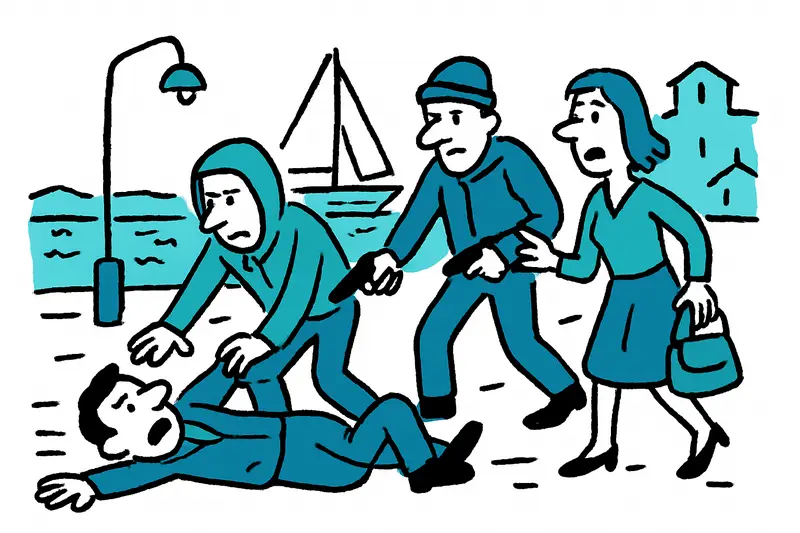
It is August, the air hangs heavy over the harbor. Lantern light hits boat hulls, somewhere a wall lizard clicks, and the crickets almost drown out the lapping of the water. On a night like that, on August 15, two tourists in the harbor of Port d'Andratx were the victims of a robbery: men pushed the man to the ground and tried to take a high-end wristwatch from him. The woman later surrendered her bag and a watch.
The Guardia Civil was later able to arrest three people in Magaluf after a vehicle was registered near a hotel. The arrested individuals provided contradictory information during identity checks; investigators reported that the group had used different identities. A fourth alleged participant is still being sought. The affected couple later identified the accused.
Main question: How safe are residents and visitors in Mallorca's harbors when robberies like this can happen at night and perpetrators operate with forged identities?
The situation calls for more than outrage. A short reality check: harbors like Port d'Andratx are often quiet at night, with narrow quays, sparse lighting and spots where few people gather. That is precisely what makes them vulnerable. Added to this is perpetrator mobility — cars, quick escape routes along the coastal road, districts like Magaluf — which make it easy for attackers to cross inland borders quickly. And when multiple identities are presented during a check, the police lose time while traces fade.
What has been missing in the public debate so far is the technical and organizational gap between prevention and follow-up. Cameras are not everywhere, footage is not always stored long enough, and hotels do not always proactively report suspicious vehicles. In addition, many holidaymakers lack awareness of how vulnerable they are in secluded spots — especially when the night is warm and seems trustworthy.
A scene from everyday life: on a late summer evening you often see couples strolling along the quay in Port d'Andratx, restaurants with tables still occupied, and fishermen checking their nets. It takes only a brief lapse of attention — a photo, a phone call — and the distance between a normal evening walk and a dangerous situation is small.
Concrete, immediately implementable approaches would be:
1) Better lighting and clear sightlines: Simple lamps that reduce dark corners along the quay increase natural surveillance.
2) More cameras with longer retention periods: Where surveillance already exists, footage should be stored for longer to enable links to subsequent movements (for example, escape routes toward Magaluf).
3) Strengthen hotel and parking reports: Hotels and parking operators can receive training to report suspicious vehicles immediately — a single call can save minutes and preserve evidence.
4) Education for holidaymakers: Multilingual notices at harbors and marinas (leaflets, signs) about risks and how to act under threat — not just prohibitions, but practical advice on how to carry valuables and where it is safer to walk.
5) Tougher prosecution for identity misuse: Where perpetrators operate with changing identities, checks and data matching between authorities must be faster and more binding.
All of this not only costs money but also requires coordination between municipalities, the Guardia Civil, tourism businesses and citizens. The aim is not to turn Mallorca's harbors into fortresses, but to implement pragmatic measures that have an effect in many small places.
Conclusion: The robbery in Port d'Andratx is a wake-up call, not an isolated drama. Those who stroll along the quay in the evenings should be vigilant; those who bear responsibility — from hotel porters to council members — should act. Otherwise the night that still seems romantic today may become the scene where an evening walk turns into danger for someone.
Frequently asked questions
When is the best time to visit Mallorca for sunny beaches and milder crowds?
What should I pack for a Mallorca trip in spring and summer?
Are there family-friendly beaches in Mallorca?
How safe is swimming in Mallorca's sea and what should I watch for?
What outdoor activities are popular in Mallorca?
How can I get around Mallorca without renting a car?
Are there good day trips from Palma and nearby towns?
How do I choose the best beach in Mallorca for my plans?
Similar News

At 16 to Palma: How a German Padel Talent Seeks His Opportunities on the Island
Jonas, 16, will move to Palma at the end of August to train at a padel academy and complete his Abitur at the German sch...

Why €62,890 in a suitcase at Palma airport is a problem — and what we must learn from it
The Guardia Civil and customs seized nearly €63,000 in suitcases. The story is more than a criminal case: it raises ques...
When the Sand Is No Longer Home: Campos Bans Pets at Es Trenc
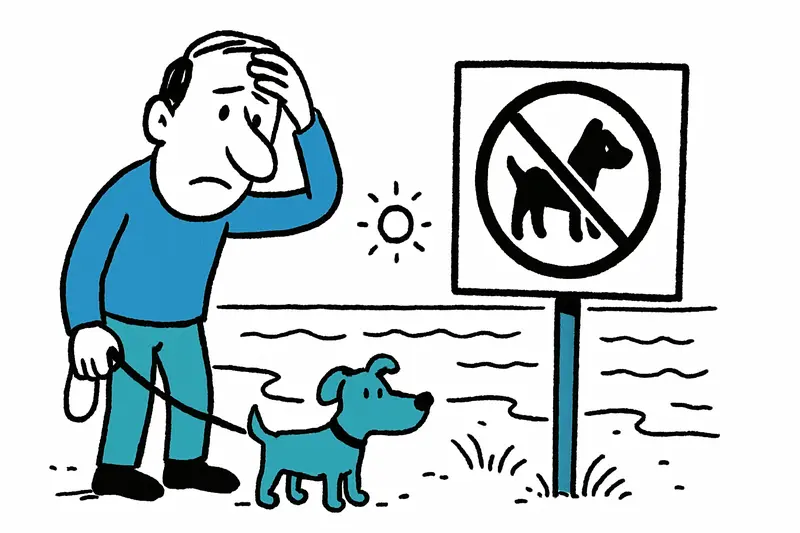
The municipality of Campos has excluded dogs, cats and horses from beaches and bathing areas from March to October — inc...

Sunset Society: Rooftop Evening at Aethos Brings Together House Beats, Sea Views and Neighbors
A warm August night at the RAIG Rooftop Bar: house music, white outfits and an audience of holidaymakers, residents and ...

Alarm at the Blue: Why Large Predators in the Balearic Sea Leave Almost No Traces
An eDNA study off Cabrera found hardly any traces of mako, hammerhead or great white sharks. Why the result concerns not...
More to explore
Discover more interesting content

Boat Tour with BBQ along Es Trenc Beach

Private transfer from Mallorca Airport (PMI) to Pollensa
