
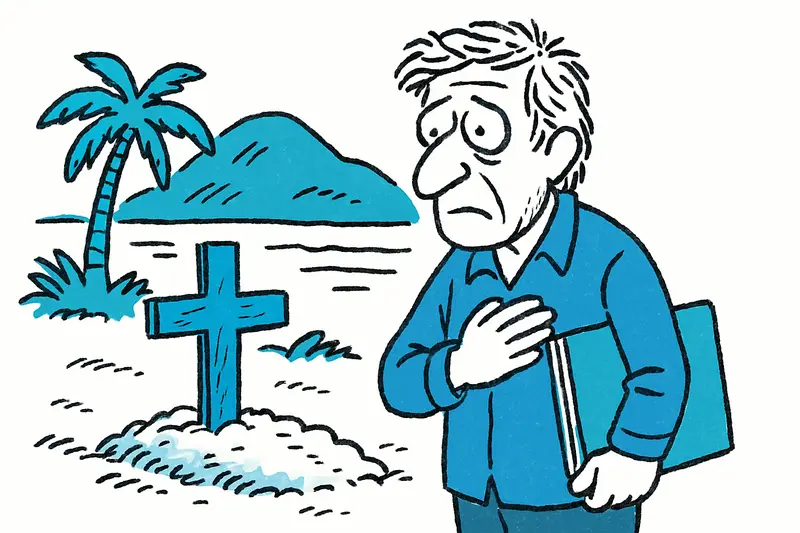
Robert Redford: The island where he found strength
Robert Redford is dead. For Mallorca he remains the image of a man who sought peace here — in Port d'Alcúdia, at markets and on windy coastal paths. An obituary for a quiet island guest and the legacy he leaves behind.
Robert Redford: The island where he found strength
The news of Robert Redford's death arrived quietly, like a boat mooring at the harbor at dawn, as noted in Robert Redford: The island where he found strength. For many in Mallorca he was not a sensational paparazzi subject, but rather an apparition in small moments: a man with a sketchbook at the baker's stall, a father laughing with his children on the quay, or a walker who listened to the wind along the coast as if it were an old friend.
Why Mallorca mattered to him
Redford did not come for the postcard views. In the sixties he spent time on the island — it's said he lived for a while in Port d'Alcúdia — and found here a way of working that had nothing to do with the limelight. The island gave him space: for painting, long walks on the beach, and weighing up the balance between stage and retreat. If you walk along the Passeig Mallorca now, you can still hear people remembering a man who preferred to sketch at the coffee counter rather than pose on red carpets.
The special thing about such encounters is their ordinariness. At the market olives are weighed, lemon pips fly, and the fishing boats creak quietly — here a person takes shape through everyday details. For Redford that was likely a source of strength: the simple, unposed life by the sea, the colors, the light that is so different from a studio.
More than a star: a seeker
We remember the films, the roles that shaped generations; see his full filmography on Robert Redford filmography on IMDb. But his life off camera tells of curiosity and a need for freedom, as noted in his Robert Redford biography at Britannica. A year in Andalusia, sketches on Mallorca, conversations with neighbors — these things make his image on this island humane and close. Such stories suit an island that prefers to observe rather than stage a show.
For Mallorca the loss is less a media event than a quiet farewell: a reminder that creatives do not merely visit our places, they breathe them in and secretly change them. The potter on the corner, the boy who has just bought his first camera — they all carry fragments of these encounters forward.
What it leaves behind
The gain is not in a photo you share on social media, but in the impulse people like Redford leave behind: the desire to move more slowly, to see more, to greet the Tramuntana storm not as a disruption but as part of the landscape. In our lanes you now hear more conversations about his films — but also about the spots where he found peace: the half-ruined pier, the shaded market stall, the stony paths above the bay.
It is consoling that another way is possible: fame does not have to be loud. In Mallorca there is room for both kinds of life — for the dazzling limelight and the quiet hours by the sea. Perhaps that is his quiet legacy: an example of how attention can be turned into mindfulness.
Our thoughts are with his relatives. The films remain, as do the island memories — as small, shimmering traces in everyday life.
Frequently asked questions
Why was Mallorca important to Robert Redford?
Did Robert Redford live in Port d'Alcúdia?
What did Robert Redford do in Mallorca when he was away from filming?
What makes Mallorca appealing to people who want a quieter life?
What is Passeig Mallorca known for in relation to Robert Redford?
How do Mallorcans remember Robert Redford?
Can visiting Mallorca feel meaningful even without a big sightseeing plan?
What legacy did Robert Redford leave for Mallorca?
Similar News
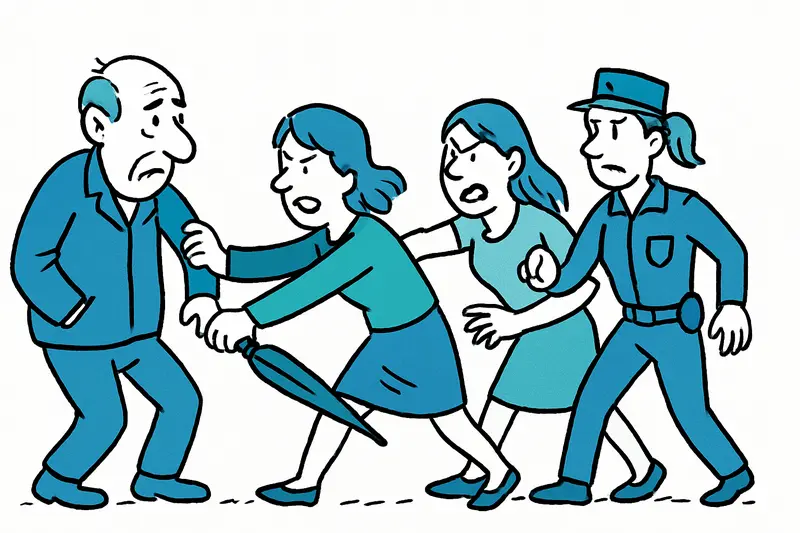
When the Wallet Becomes a Danger: Attack in Peguera and Lessons for Mallorca
In Peguera, two women are said to have stolen the wallet from a 75-year-old German couple. When the victim intervened, t...
Plata stays Plata: Young people take over, Llonguets remain
A small bar on Carrer de l'Argenteria will continue: Tolo Serra hands the place over to young Mallorcans at the end of t...
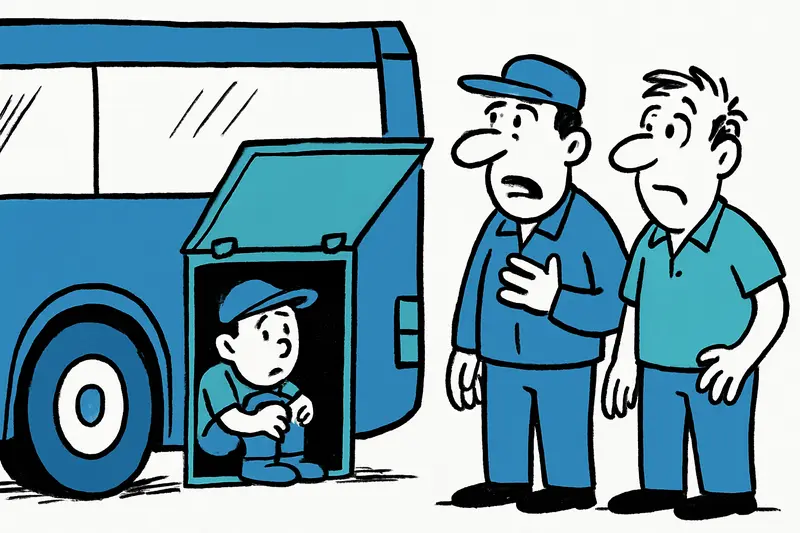
Unnoticed in the Luggage Compartment: How a Boy Traveled More Than 100 Kilometers in a Team Bus
A minor traveled in the undercarriage of a team bus for more than 100 kilometers until his cries for help were heard. A ...

Cap Vermell Grand: Second Michelin Key – a Gift for the East
The Cap Vermell Grand in Capdepera has been awarded its second Michelin key. For the region this elevates the luxury off...
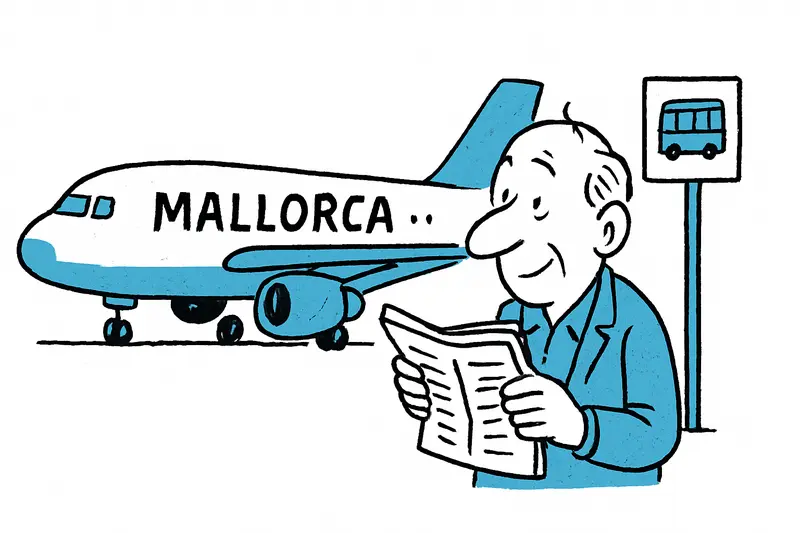
Eurowings lets four aircraft carry names – a friendly idea that also reaches Mallorca
Eurowings is launching a campaign: four Airbus A320s are to carry the first names of people who help others in everyday ...
More to explore
Discover more interesting content

Can Cap de Bou

Townhouse Lleo 72
