
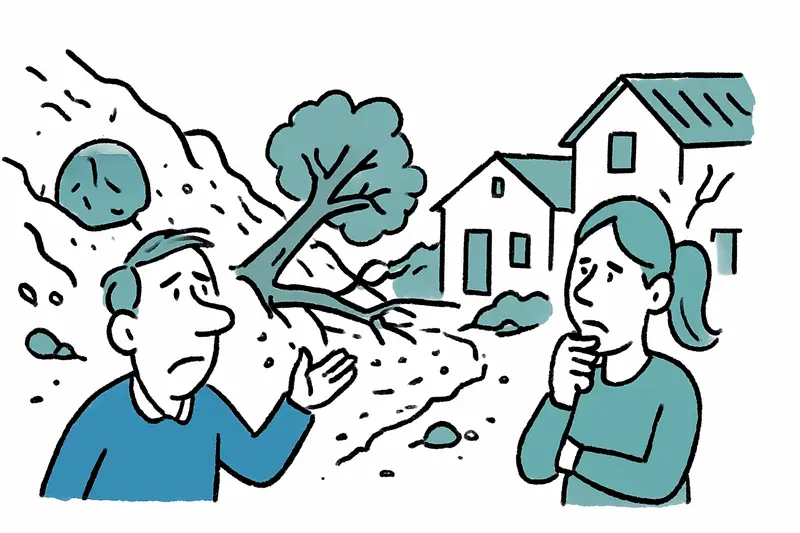
Rockfalls in Esporles: When Will Normality Return?
Rockfalls in Esporles: When Will Normality Return?
After heavy rains, parts of Esporles were hit by rockfalls and storm‑felled trees. Two houses were cut off; no one was injured. Municipalities and experts warn of further danger — but what is missing in the response to such events?
Rockfalls in Esporles: When Will Normality Return?
On 24 January 2026 the rain set the mountains in motion: in Esporles boulders loosened, trees were toppled, and two residential houses were temporarily cut off from the outside world. According to the authorities there were no injuries. Still, nerves remain tense because the ground is heavily saturated from continuous precipitation, as detailed in Restless week in Mallorca: How well is the island prepared for heavy rain?, and experts warn of further collapses.
Key question
How well is our island really prepared for repeated slope failures, and what must change so that neighbours are not repeatedly evacuated at the last minute?
Critical analysis
The immediate response by the municipality was correct: endangered houses were evacuated as a precaution and affected roads were closed. Such measures protect lives — that is indisputable. The problem is that these operations are often ad hoc. On Mallorca many settlements have grown on hillsides; historic dry stone walls, clogged drains and changed vegetation after storms increase vulnerability. Short-term closures and evacuations buy time but do not solve the underlying problem: erosion, missing drainage and unstable rock faces require technically complex and sometimes costly solutions that are too seldom planned for the long term, as recent incidents such as the Rockfall at Sa Calobra: What are the lessons from the Ma-2141 closure? show.
What is missing in the public debate
There is a lot of reporting about individual events but little about systematic hazard maps, regular inspections and prioritisation lists for protective measures. Rarely are there concrete statements about what priority prevention measures have in municipal budgets or how quickly geotechnical assessments are implemented. The role of the forest cover and simple measures such as maintaining drainage systems also play hardly any role in public debate, a point raised in Severe weather on Mallorca: When it really becomes critical — and what's still missing.
Everyday scene from Esporles
At the edge of town, where the road toward Galilea winds through orange groves, the air still smelled of wet clay. A resident in rubber boots was pushing gravel aside, another house had its roller shutters down and a floodlight in the window. On the Camí d’en Massanet blue lights flashed, a silent contrast to the soft dripping of water from the roofs. Conversations about safety nets mixed with the sound of distant traffic: life goes on, but with heightened attention.
Concrete solutions
1. Short term: Targeted technical inspections of affected slopes, the installation of provisional drainage and removal of loose boulders by specialist firms. Visible dangers should be secured immediately so that residents can return after inspection. 2. Medium term: Creation of island‑wide hazard maps for all municipalities in mountain‑adjacent areas. These maps should form the basis for budget priorities and applications for government funding. 3. Long term: Investment in permanent slope protections (nets, retaining walls, drainage), combined with reforestation at critical locations and regular forest management. 4. Warning and communication chains: Local SMS alert systems, clear evacuation routes and designated emergency shelters (gymnasiums, schools) must be named in advance. Drills for the population increase safety. 5. Financing and cooperation: Pooling resources at the island government level, community education and coordinated tenders for geotechnical work save time and money.
Why this should happen faster
Every time heavy rain occurs, teams are under time pressure. If measures are only planned after an event, the risk to people and infrastructure increases. Prevention is expensive, but comparatively cheaper than repeated emergency operations, road closures and the long‑term consequences of damaged house connections, lost work hours and the psychological stress on affected families.
Conclusion
Esporles shows how vulnerable roadside and hillside locations are when rain and wind come together. The short‑term protective measures are right but not sufficient. A shift in perspective is needed: less symbolic politics, more technical preparation and transparent priority lists. Only then can the question be answered of when true calm will return — not just one morning after the storm, but permanently.
What to do now: rapid inspections and securing of hazards, public information on evacuation routes, a binding timetable for hazard mapping and financial support for permanent slope protections.
Frequently asked questions
Is it safe to live in Esporles after the recent rockfalls?
Why do rockfalls happen so often in Mallorca after heavy rain?
What should residents in Mallorca do during a rockfall risk alert?
What long-term measures can reduce rockfalls in Mallorca?
What does the rockfall situation in Esporles mean for nearby roads?
When is the best time to visit Mallorca if you want to avoid storm disruption?
Which areas in Mallorca are more exposed to rockfalls and slope failures?
How can Mallorca improve warning systems for landslides and rockfalls?
Similar News

Rental Car Theft in El Arenal: What This Incident Reveals About Our Gaps
A teenager steals a running rental car in El Arenal, flees on foot, climbs over walls and is caught by the Guardia Civil...
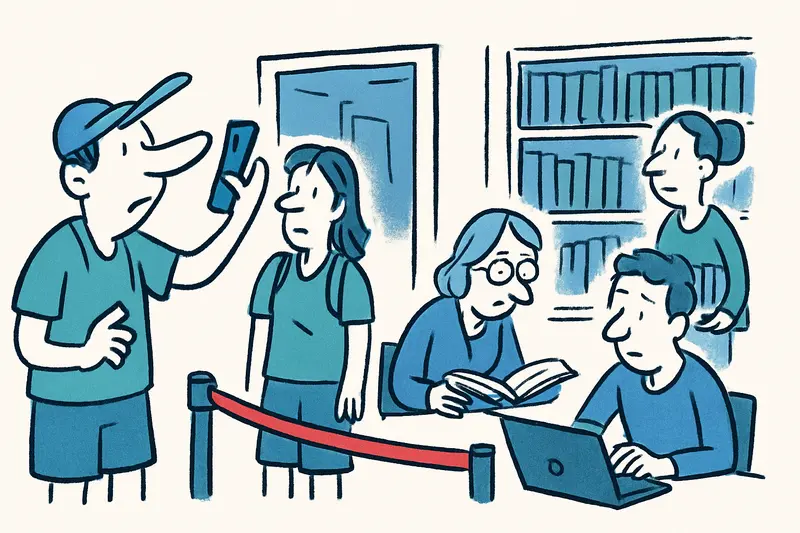
Red Rope in Palma's Library: What Helps Against Selfie Tourism — and What's Missing
Palma's city library cordoned off an area with a red rope to keep selfie tourism away from reading and working activitie...
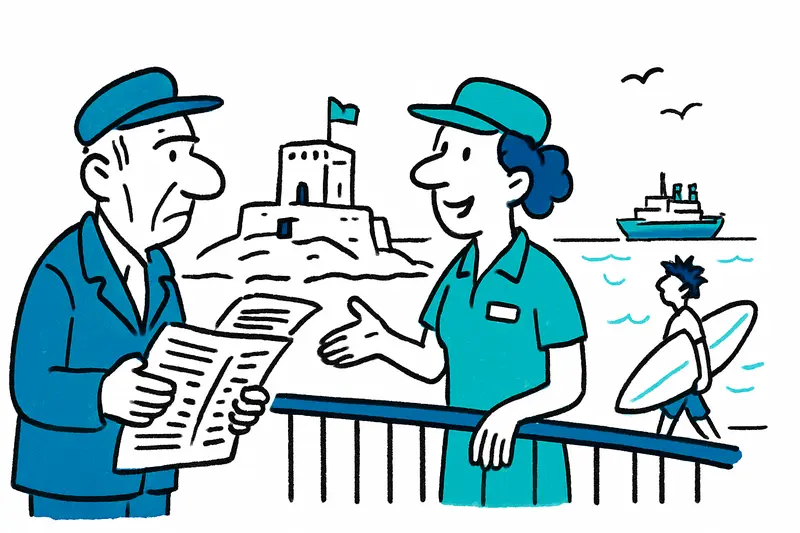
Fort San Carlos: Museum, Harbor Dispute — and a Conflict That Demands Answers
The military museum at Fort San Carlos sits right on Palma's harbor, with unexpectedly quiet rooms filled with cannons a...
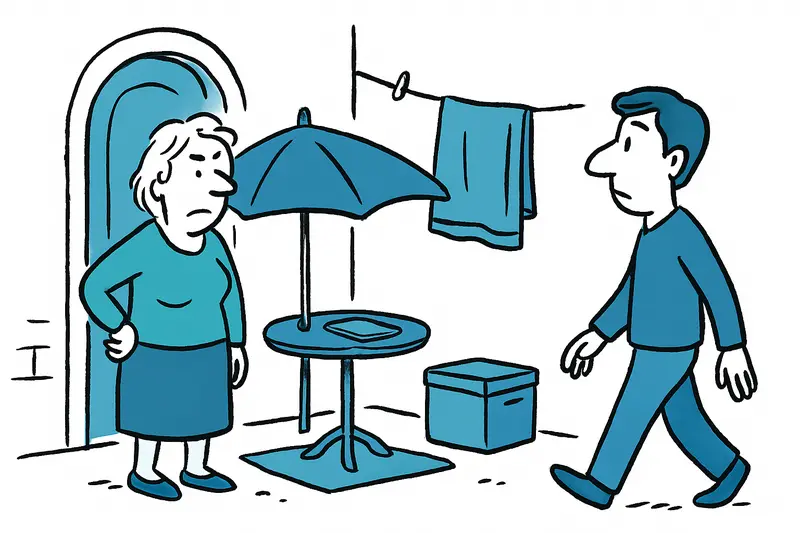
Old Town Under Pressure: When a Doorway Becomes a Sleeping and Shower Place
For months a woman has been living with a parasol, a clothes rack and personal belongings next to the social welfare off...
When Shopping Weighs Heavier: Mallorca Demands a Tax Pause on Food and Fuel
Rising prices are putting pressure on households and agriculture. The Balearic Islands are calling for temporary tax rel...
More to explore
Discover more interesting content

Can Cap de Bou

Townhouse Lleo 72
