
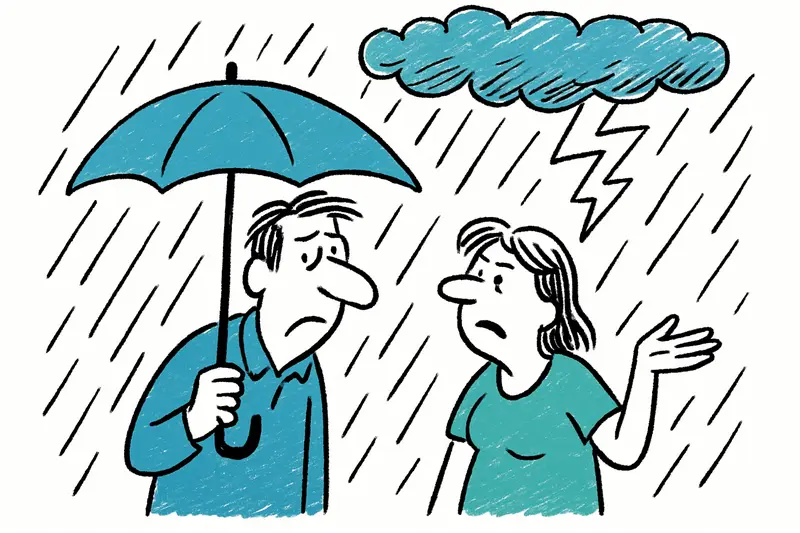
Restless days on Mallorca: How well is the island prepared for heavy rain?
Continuous rain and thunderstorms keep Mallorca on edge. Aemet raises warning levels — time for an assessment: Are roads, drainage and emergency plans fit for such episodes?
Restless days on Mallorca: continuous rain, warning levels and the big question about preparedness
Rain drums on the tile roofs, the trickle in the barrancos becomes an unexpected channel, and in Palma basement entrances are once again under water. The national weather agency Aemet has raised the warning levels — not for show, but because this is serious. The central question now appearing between umbrellas and puddles: How well is Mallorca really prepared for such heavy rain events? Severe Weather Warning for Mallorca: Are Our Towns and Beaches Prepared?
What the forecast says — and what we are already seeing
The forecast is clear: the deep, humid weather will remain active until midweek. Monday is at yellow, and from Tuesday orange is threatened — thunderstorms, heavy showers, and local flooding. The island is experiencing something many now know: mild air at around 24–26 °C, but wet ground and slippery roads. On Passeig Mallorca there were puddles over the weekend that looked like small ponds; on the Ma-13 towards Sóller drivers felt like canoeists. And no, wet shoes are not a new fashion accessory. Yellow Storm Warning: How Well Is Mallorca Prepared for Heavy Rain?
More than just a nuisance: the hidden risks
It is not only about wet sidewalks. Heavy rain exposes weak points in the island’s operations: clogged drains, unsecured construction sites, sealed surfaces in towns, and barrancos that can quickly carry large volumes of water during intense rainfall. In rural areas, erosion on terraces is a risk, and mudflows on agricultural land can threaten crops and infrastructure. On the neighboring islands of Ibiza and Formentera, past floods have shown how quickly access roads and airport approaches can be affected. Orange Alert: Torrential Rains — Is Mallorca Prepared?
A look at the infrastructure — where are the problems?
The island has experience with rain, but the frequency and intensity of extreme episodes are increasing. Problem areas recur: outdated stormwater drainage in some old-town areas, a lack of retention basins in new developments, and insufficient regular cleaning of street drains. Also: information chains. Who receives the warning in time? Are road closures and detours prepared and signposted? In Palma, over the weekend one heard the patter on the terracotta roofs and the low hum of emergency generators — signs that there is room for improvement. New Storm Front on Mallorca: How Prepared Are the Island and Its People?
What is often overlooked
The public debate lacks details: the role of private property owners in maintaining downspouts, securing temporary construction sites, and the capacity of emergency services in the narrow lanes of old towns. Equally underplayed is the role of vegetation: permeable surfaces, rows of trees and retention green spaces in urban areas can hold back a lot of water. And another point — the tourist season does not remove the need to better inform visitors: many are not aware of local hazards (barrancos, roads that flood quickly).
Concrete measures — short and medium term
The good news: many solutions are practical. In the short term, regular cleaning of drains, temporary barriers at known problem spots, clear traffic information and an easily accessible information service for tourists (multilingual) help. In the medium term, investments in retention areas, green infrastructure and modern drainage channels should be priorities. Training for construction companies and homeowners to avoid unintentionally blocking rainwater systems would also be sensible. And yes: sandbags and mobile pumps are not a relic — they belong in today’s toolbox.
What anyone can do — practical tips
Be careful on slippery roads, do not park in dips or near barrancos, and check ferry and flight connections before traveling between the islands. Keep contact details ready: local emergency services, municipal information, and neighbors if possible. If water appears in lower parts of a building: turn off the electricity, take photos, and do not block emergency services by taking unnecessary risks. Small actions, big impact: a clear gutter, a clean entrance and a considered parking choice often prevent a lot of trouble.
Looking ahead — between preparedness and adaptation
We will likely see such episodes more often. This is not a gloomy prophecy, but a wake-up call. Mallorca can do better — with a smart mix of technical infrastructure, local knowledge and community action. Aemet’s warnings are not the enemies of a cozy everyday life, but pointers to priorities: more maintenance of drainage systems, clearer information channels and a little respect for the barrancos, which can turn into torrents in heavy rain.
On Sunday at Plaça Major, a neighbor said dryly: "This is how it is here in autumn — we know it, but it still remains annoying." True. Annoying, but manageable. If the island now not only complains but does its homework, the next rainfall event can be less surprising and far less painful.
Frequently asked questions
Is Mallorca prepared for heavy rain and flooding?
What should I do in Mallorca if heavy rain is forecast?
Can roads in Mallorca flood quickly during storms?
Is it safe to swim in Mallorca during heavy rain?
Why do barrancos in Mallorca become dangerous during storms?
How is Palma affected by heavy rain?
What rainfall warning levels does Aemet use in Mallorca?
What should homeowners in Mallorca check before a storm?
Similar News

Near-miss on Lanzarote: Landing Ryanair Jet and Iberia Takeoff — what really went wrong
On Lanzarote there was a dangerous incident: A Ryanair flight (FR5910) from Dublin landed on runway 03 while an Iberia E...

Eurowings introduces new Premium Business seats on Mallorca routes
From December 1, selected Eurowings flights to Palma and other destinations will feature eight particularly generous sea...
Car on MA-13 near Inca in flames – a safety check for the island
A vehicle caught fire on the MA-13 towards Alcúdia on Tuesday afternoon. The driver was uninjured, the car was destroyed...

Real Estate in Mallorca: Fewer Buyers, Higher Prices — What's Behind It?
Sales on Mallorca are falling, yet prices continue to climb. Why fewer transactions do not equal relief — and what shoul...
Just Bought — Already Trouble: Water Damage in the Heiters' Villa and What Owners in Mallorca Should Know Now
A newly purchased sea-view property — and within days a water damage. What risks lurk in new properties in Mallorca, and...
More to explore
Discover more interesting content

Can Cap de Bou

Townhouse Lleo 72
