
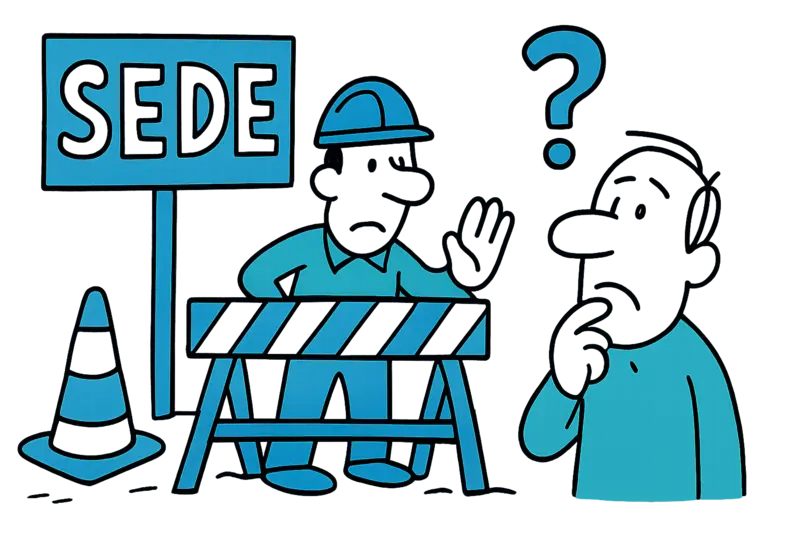
Closure of s'Albufera: Necessary construction or symptom of a bigger problem?
Closure of s'Albufera: Necessary construction or symptom of a bigger problem?
The s'Albufera nature park will be completely closed from October 5 to 18 for repairs to paths and observation hides. Time for a reality check: Are targeted works enough — or do we need a long-term management plan?
Closure of s'Albufera: Necessary construction or symptom of a bigger problem?
From October 5 to 18 the wetland s'Albufera will be completely closed to visitors. The regional government cites the renovation of two walking paths, the enhancement of the forecourt at the administration center and work on the observation hides, including thermal cladding so the huts do not overheat in summer. Safety reasons and the wish to carry out the works quickly are given as justification. That is one layer of the story. The other question must be asked: Does this solve the park's deeper problems — or are we merely covering a persistent shortcoming with asphalt?
Key question: Is a temporary full closure the right way to repair a battered protected area, or does it simply hide structural deficiencies in maintenance and planning?
The construction work is plausible from a safety perspective. Loose paths, crumbling surfaces or overheated observation huts are real problems. But: the closure falls right in the autumn holidays. Families, small tour operators and residents planning excursions suddenly have no alternatives. On the Ma-12 towards Alcúdia you normally see more rental cars with bikes on the roof in such weeks; now some turn back, others argue in the queue at the café on Platja de Muro over a replacement plan. These everyday scenes show that local decisions have tangible ripple effects.
Critical analysis: A two-week full closure looks like a topical patch. The works are certainly necessary, but they also document that maintenance often only happens when something is acutely broken or when public pressure rises. There are indications — for example reports of tight budgets, high visitor pressure and even incidents such as Wildfire in s'Albufera: Six Fires Quickly Extinguished — but Questions Remain — that the management of s'Albufera is more reactive than proactive. If paths are only renewed sporadically and observation hides have to be retrofitted, the problem is not only individual construction defects but a lack of long-term resources and planning.
What has been missing so far in public discourse: transparent figures on costs and financing, a clear conservation plan with priorities and a timeline, information on how visitor flows will be regulated, and how water management and biodiversity will be monitored over the long term. Hardly discussed either is how the local economy can be compensated when tours are cancelled, and whether there are mitigation measures for guides and small providers.
Practical everyday tips for visitors in the coming days: take walks along alternatives such as the northern coastline or book guided nature tours in smaller reserves; ask hotels and landlords whether there are replacement offers; and at the next opportunity insist on informational materials that not only point out the closure but also explain how the park will be managed in the future.
Concrete solutions that should be put on the table now: first, a publicly accessible conservation plan with an annual budget and clear priorities. Second, the use of part of the tourist tax for permanent management instead of one-off projects. Third, a visitor management solution: counting mechanisms at entrances and exits, timed tickets in high season, more volunteer or ranger teams. Fourth: better emergency and trail markings so search operations, like the ones recently required in Nighttime Fires in S'Albufera: Six Ignition Points — How Do We Protect the Wetland?, become rarer. Fifth, technical measures: heat-resistant materials, raised wooden boardwalks in sensitive areas and weather/heat warning systems linked to AEMET data.
A pragmatic middle ground is possible: future works could close sections in sequence rather than full-area shutdowns. Guided, limited visitor groups could retain access. This way the area would remain reachable — with safety and respect for nature.
What we should learn: a natural oasis like s'Albufera is a living place, not a museum exhibit. Paths do not crumble only because of use, but because maintenance must be financed and planned continuously. Ring-fenced, transparent funding and straightforward technical solutions would mitigate many recurring problems. Those who only smooth the surface now will be facing construction sites again in a few years.
Conclusion: The temporary closure is understandable and can address immediate issues. But it must not become an excuse to ignore long-term questions. Those who care for the island and its wetlands must demand that maintenance, visitor management and financing come as a coherent package. Otherwise such closures will remain a recurring event — with noise on the Ma-12, disappointed families at the beach café and further stagnation in conservation.
Frequently asked questions
What is the best time to visit Mallorca for good weather and outdoor activities?
Can you swim in Mallorca year-round, and where are the best beaches for swimming?
What should I pack for a trip to Mallorca?
What is the best way to get around Mallorca?
What are the essential places to see in Mallorca?
What should I know about weather and sea safety in Mallorca?
Is Mallorca too crowded in peak season, and how can I avoid crowds?
What local foods should I try in Mallorca?
Similar News

Severe weather disrupts flight schedules: Palma Airport faces delays and cancellations
Heavy rain and poor visibility thinned out flight operations in Palma on Sunday: flights to Barcelona and Menorca were c...
Autumn Fairways: MM Autumn Trophy at T-Golf Palma in Puntiró
Almost 100 golfers, a dry morning despite rain forecasts, Schwaiger's halfway station and a raffle — the MM Autumn Troph...

The "Bierkönig" Case of 1997: A Mallorca Mystery Returns to Television
Almost 30 years after the triple murder in S'Aranjassa, a German TV program is bringing the case back into the public ey...
Who decides over Mallorca's airports? A reality check after the demo in Palma
Hundreds of people marched through Palma, demanding fewer flights, an end to night flights and more say in decisions. Wh...
When a Shop Becomes a Scene: Violence in Son Gotleu and the Consequences for the Neighborhood
A shop owner in Son Gotleu beat a teenager with a metal bar. What lies behind such an escalation, and what is missing in...
More to explore
Discover more interesting content

Can Cap de Bou

Townhouse Lleo 72
