
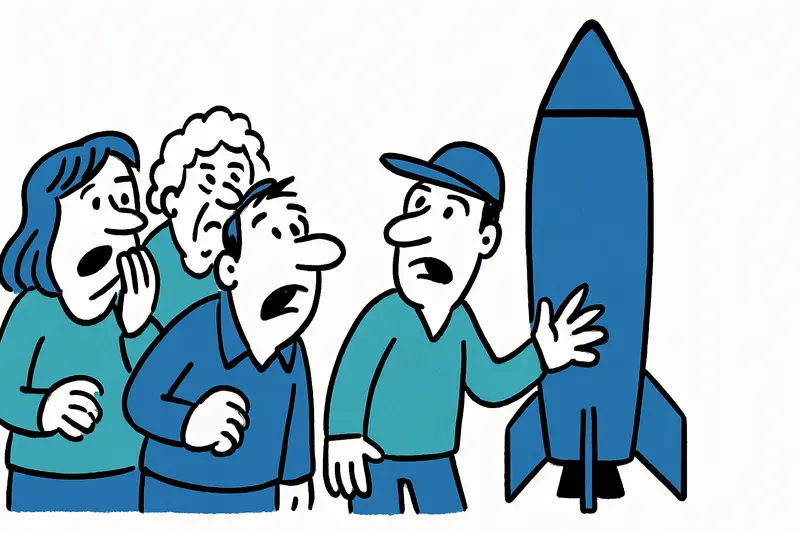
A munitions depot on the doorstep: Sa Casa Blanca demands answers
A planned depot for missiles and bombs next to Son Sant Joan has thrown Sa Casa Blanca into turmoil. Residents demand transparency, risk assessments and concrete protection plans – the central question remains: does this have to be done, here and now?
Neighbors by the airport: the big question remains
The bar at Can Toni is full of voices in the evening. Lights circle over the runway outside; inside, people are not counting planes but worries: on the site of the air force base next to Son Sant Joan a storage for munitions is planned, as reported in Munitions Bunker Near Son Sant Joan: Why Mallorca's Citizens Should Have a Say. The central question that has been going through Sa Casa Blanca's streets for days is simple and bitter: Why here — right in the midst of homes?
Project, numbers, and the silence of the authorities
Officially the project has already been awarded, according to Weapons Depot at the Airport: How Safe Is Mallorca Really?: a consortium of MAB, Coexa and Grupo Render Industrial is to build a depot for around €1.8 million, which could be completed in nine months. But the figures do little to reassure. Many residents say they learned about the plans from the newspaper, not from the responsible authorities, and political reactions are covered in Ammunition Depot at Son Sant Joan: Prohens Demands Clarification — Growing Concern in Palma. Carmen, 64, who has lived in the neighborhood for decades, sums up the situation: "We feel steamrolled. Who will inform us if something happens?"
Analysis: more than just a safety distance
The debate is often reduced to the distance between the depot and residential buildings. That is too narrow. It is also about cumulative risks: air traffic, night training flights, older infrastructure on military grounds and whether evacuation routes would be sufficient in an incident. Authorities like to point to standards and regulations — see UK HSE explosives storage guidance. The problem for the neighborhood is perception: in the bars, at bus stops and while waiting for the market people talk about how life will change, not only the risks in the technical sense.
What is often missing in public discussion
Little attention is paid to the psychological burden: constant noise levels, knowing that explosives are within sight, falling property values and the sense that everyday life is secondary to military decisions. Questions about insurance coverage, liability in the event of incidents and the long-term impact on tourism and local businesses also remain unanswered. A transparent risk assessment that also examines these points is missing.
The neighborhood's demands – justified and concrete
The umbrella association of neighborhood groups demands public meetings and understandable risk reports. This is more than protest; it is a practical demand: people want to know which safety zones are planned, what emission limits will look like, how often emergency drills will take place and what evacuation plans exist, as outlined in FEMA evacuation planning guidance. Without this information there is only mistrust — and that is more exhausting for a community than any machine thundering across the sky.
Concrete solutions
There are ways out of the dead end. First: immediate public information events in Sa Casa Blanca with representatives from the ministry, the construction companies and independent safety experts. Second: a neutrally prepared risk analysis that also takes psychological, economic and infrastructural consequences into account. Third: the creation of a permanent local contact person and a citizens' advisory committee involved in the planning process. Fourth: consideration of alternative sites with larger buffers to residential areas — a construction compromise costs, but guarantees safety and social peace.
Why acting now matters
Those who live under flight paths have little appetite for surprises. The current information vacuum feeds rumours: from old accidents to nighttime noise from exercises. Transparent dialogue would not dispel all fears, but could calm the waters and produce practical safety measures. The best outcome would be: building with consent rather than over people's heads.
Until then the conversation at the counter in Sa Casa Blanca remains lively; the wind from the airport carries engine noise and concern alike. Residents are not only demanding bans — they demand to be taken seriously. And that is a demand that carries weight not only locally but for all of Mallorca.
Frequently asked questions
Why are residents in Sa Casa Blanca worried about a munitions depot near Palma airport?
How close can a munitions depot be to homes in Mallorca?
Was the planned depot near Son Sant Joan officially approved already?
What information do residents in Sa Casa Blanca want about the depot plan?
Could the munitions depot affect property values in Mallorca?
What safety concerns are being raised about the Son Sant Joan military site?
Could the depot near Palma airport affect tourism or local businesses?
What are residents in Sa Casa Blanca asking the authorities to do now?
Similar News
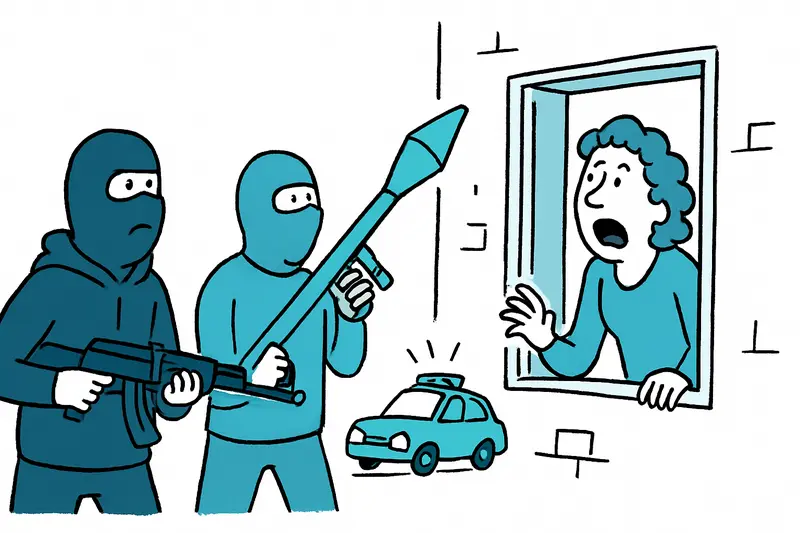
Masked Images, Real Panic: When Social Media Aesthetics Alarm Neighbors
Five German content creators filmed on a recently vacated detention site using deceptively realistic props. The result: ...
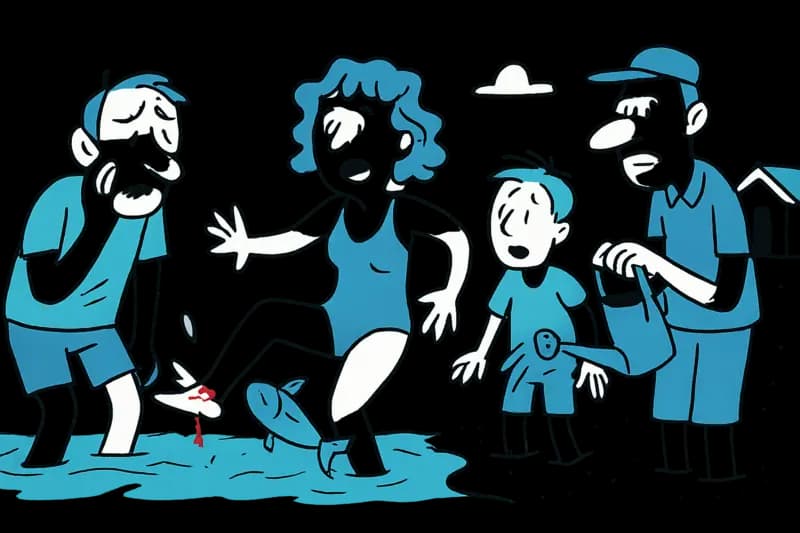
Why the Striped Breams in Cala Pí Should Be a Wake-up Call
Once again bathers in Cala Pí were surrounded while swimming by small, nippy fish — some wounds bled. Time for clear rul...

Daily from New York: How Palma's Air Traffic Is Growing — and What Must Change
United will increase the Newark–Palma service to daily flights in 2027 (Boeing, 231 seats). Strong tourist numbers clash...

When Love Ends in Shards: Destruction in Son Vida and the Questions That Remain
In Son Vida a relationship dispute escalated: a woman destroyed furniture in a luxury villa, later pressed a panic butto...
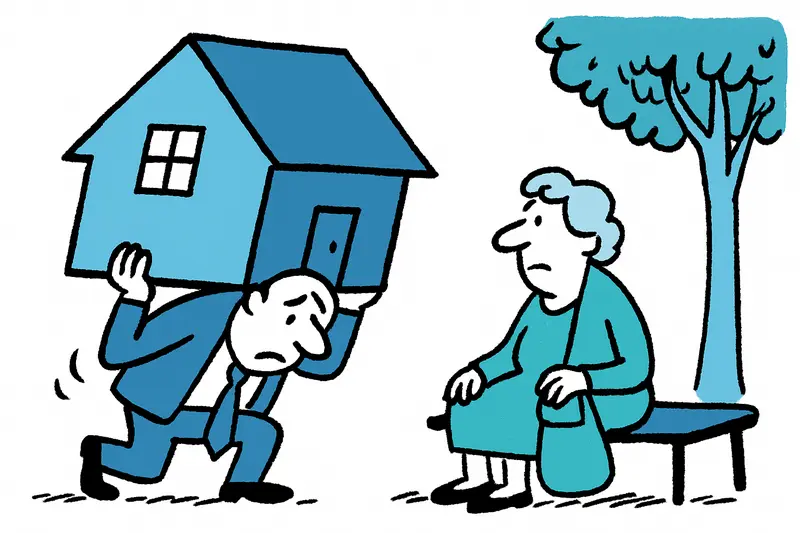
Who Bears the Burden? Mallorca Between Tenant Protection and Landlord Fears
Madrid's new housing decrees strengthen tenant rights — but on Mallorca concern is growing: will the law drive small lan...
More to explore
Discover more interesting content

Can Cap de Bou

Townhouse Lleo 72
