
Biting dispute in Sa Coma: What does the incident say about hotel safety?
Biting dispute in Sa Coma: What does the incident say about hotel safety?
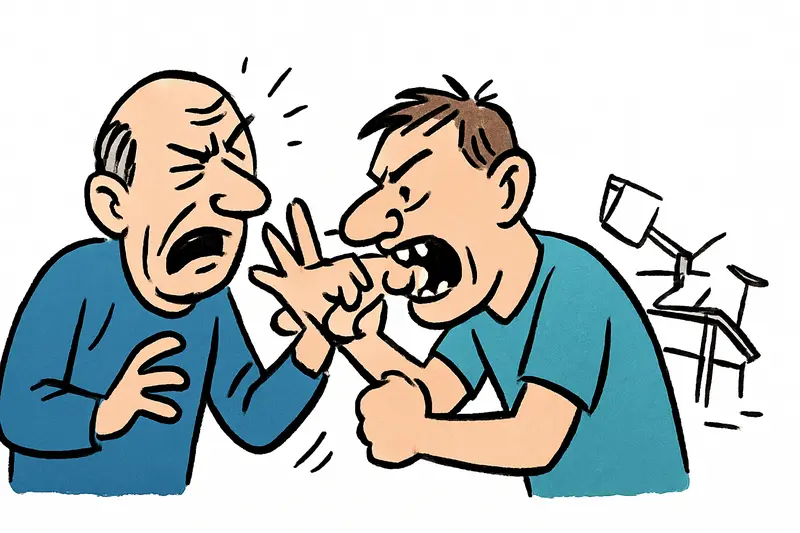
In Sa Coma a 65-year-old British man was seriously injured in a hotel: a 42-year-old tourist is alleged to have bitten off part of his father-in-law's thumb. The local police arrested the suspect and the victim was taken to Manacor. A reality check on what is missing in such cases and what hotels could do.
Biting dispute in Sa Coma: What does the incident say about hotel safety?
Leading question: How safe are guests and staff in Mallorca's hotels when conflicts escalate at night?
Late on Sunday evening there was a violent attack in a hotel in Sa Coma in which a 65-year-old man suffered serious injuries. A 42-year-old tourist was arrested; the victim was missing part of his left thumb after the incident and also had head and nose injuries. Emergency services took the man to the hospital in Manacor. Investigators at the scene found clear signs of a struggle: blood in the corridor, overturned furniture and a broken lamp in the hallway outside the room.
Critical analysis
The visible facts are clear, but many questions remain unanswered. Why did the dispute escalate so severely that someone was bitten intentionally? Was alcohol, drug use or a pre-existing medical condition of the attacker a factor? Were there prior provocations, and how did the hotel staff respond? The report mentions a quick arrest by the local police of Sant Llorenç des Cardassar – that is positive. But a fast response alone is not enough if prevention and targeted protective measures are missing.
In practice these scenes often arise late in the evening at the reception or along the corridors, when fatigue, heat and alcohol combine. I see this regularly: loud family groups on the Sa Coma promenade, staff alternating between check-in and the beer garden, and guests who assume their normal inhibitions are lower on holiday. If a conflict is carried into a hotel room, the consequences can be grave quickly – not only for those immediately involved, but also for service, other guests and the reputation of the destination. Similar early-morning escalations occurred in the Brawl at Playa de Palma: Why a verbal exchange could have ended fatally.
What is missing in the public discourse
There is a lot of reporting on isolated cases, but too little on systemic shortcomings: insufficient staff training in de-escalation, missing emergency plans for severe violence, inadequate first-aid equipment in smaller hotels, and hardly any binding reporting channels between operators, the health system (Manacor hospital) and the police, as highlighted by the Arrest in Cala Bona: How Could This Go On for So Long?. Equally little discussed is how language barriers between guests and staff can exacerbate tensions, or how night shifts are often understaffed. Cases like the Court Convicts Tourist After Assault in Llucmajor: How Safe Are Hotel Employees Really? underline the risks faced by staff.
Concrete proposals – pragmatic and local
1) Mandatory refresher training: Courses for hotel receptionists and night porters in conflict management and first aid, at least once a year. 2) Visible emergency protocols: Each establishment should have a clearly labeled emergency manual at the reception and in the back office; short procedures on who calls the local police or emergency services and when. 3) Improve first aid: Subsidy programs for small hotels so they can finance bandages, tourniquets and training. 4) CCTV and spatial design: Plan corridors so that altercations are not left unobserved; cameras overlooking communal areas (while respecting privacy). 5) Multilingual prevention: Display house rules clearly in several languages; conflict potential decreases if rules are understandable. 6) Cooperation with health services: Faster feedback between the Manacor emergency department and affected hotels so that medical particularities are known.
A simple evening scene in Sa Coma makes this tangible: Families drift back along the Passeig de la Mar after dinner, the lanterns cast warm light, somewhere a bus rumbles toward Cala Millor. At a hotel reception an overtired employee tries at the same time to finish a phone call and calm a guest. If a heated dispute then occurs, it takes little for the situation to tip over.
Conclusion
The incident is alarming and shows: alongside criminal prosecution, a local safety strategy that works preventively is needed. Hotels, municipalities and health institutions must better coordinate their procedures during hot summer days and in busy holiday zones. Otherwise the answer to the leading question remains: safety is always also an organizational task – and it can be improved if we look beyond the headlines to the underlying structures.
Frequently asked questions
How safe are Mallorca hotels at night during peak season?
What practical safety steps should Mallorca hotels implement to prevent conflicts?
How can travelers reduce risk while staying in Mallorca's hotel zones?
What does the Sa Coma incident reveal about hotel safety in Mallorca?
In Sant Llorenc des Cardassar, how can hotels cooperate with local police to improve safety during busy seasons?
How can Mallorca hotels coordinate with health services like Manacor hospital in emergencies?
Why is multilingual communication and clear house rules important in Mallorca hotels near Cala Millor?
How can hotel design and surveillance help prevent conflicts across Mallorca's hotels?
Similar News

Heat Bonus in Mallorca: 100 Euros Extra for Outdoor Staff at MarSenses
MarSenses pays employees who worked outdoors in August an extra €100 as recognition. Lighter uniforms, reduced hours for...
Renovating in Mallorca: What You Really Can Do Without Neighbour Consent
Many think they can do whatever they want in their apartment. That's partly true — but only as long as structural elemen...
Cafetería San Siro: A Meeting Place on Schinken Street Since 1966
In the middle of Schinken Street, Cafetería San Siro has been offering Mallorcan hospitality for more than six decades —...
From Ballermann to Prison: What the Verdict Against the Femina Operator Means for Palma
The Munich Regional Court convicted a German operator for subsidy fraud. What does the verdict mean for the Femina Club,...

Underpass Verge de Lluc: 19-year-old fights her way out of flooded car – a warning sign for Palma
A 19-year-old recently escaped swimming from her car after the Verge de Lluc underpass held up to one and a half meters ...
More to explore
Discover more interesting content

Can Cap de Bou

Townhouse Lleo 72
