
Underpass Verge de Lluc: 19-year-old fights her way out of flooded car – a warning sign for Palma
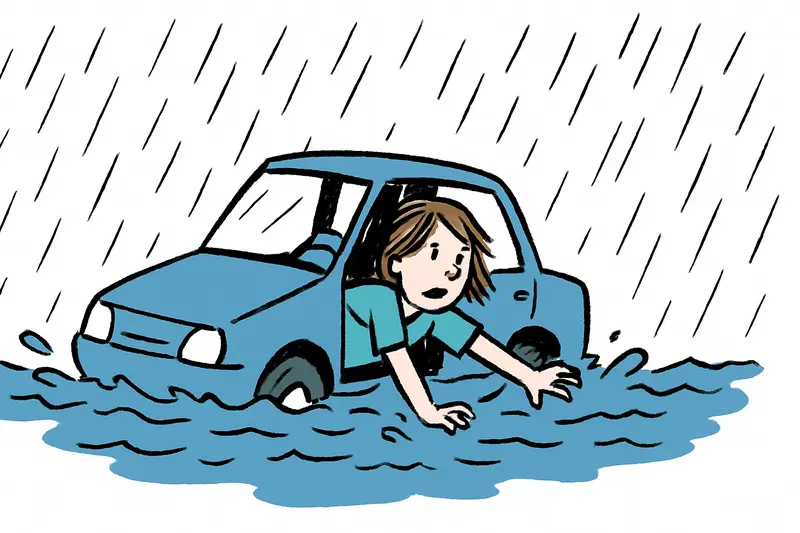
A 19-year-old recently escaped swimming from her car after the Verge de Lluc underpass held up to one and a half meters of water. What does the incident say about infrastructure, emergency readiness and our habits in coping with heavy rain?
Underpass Verge de Lluc: 19-year-old fights her way out of flooded car – a warning sign for Palma
Key question: How safe are our roads when heavy rain comes?
On the afternoon when rain fell in dense sheets over Palma, similar to reports of a Sudden Storm in Palma: A Weather Shock and the Question of Protecting Mallorca, and the drumming on tin roofs and car roofs grew louder, a car skidded in the Verge de Lluc underpass. The driver, 19 years old, opened the door as wide as she could and swam out of the vehicle - into a sea of dirty water that witnesses said stood up to one and a half metres high. Her mother rushed to the scene, a neighbour filmed the incident and recalled that the same spot had flooded before.
Critical analysis: Where safety fails in three areas
First: engineering and drainage. One and a half metres of water under an underpass is no coincidence, but the result of insufficient drainage. Manholes clogged, pipes too small or simply no space for quick runoff - all this turns a traffic lane into a trap, as seen in Short downpour brings Manacor to a standstill — how well is the city really prepared?. Second: traffic infrastructure and warning systems. Why was the underpass open to traffic even though it had filled before? There apparently is no rapid closure/diversion system with clear responsibilities. Third: emergency coordination. Residents report that help from rescue services was only felt to a limited extent. In emergencies, speed matters; delayed measures increase the risk for people and vehicles.
What is missing in the public debate
The debate often revolves around headlines and individual fates, but not around long-term vulnerability analysis. People talk about 'floods' - but not about the concrete reasons: the age and condition of the sewer system, the lack of retention areas in urban planning, insufficient checks of drainage after heavy showers. The question of responsibilities is also avoided: Who decides on road closures in the face of impending severe weather? Who monitors critical spots like underpasses daily during the rainy season? This broader pattern was highlighted in After the Thunderstorm: Flooded Streets, Mudslides and the Big Question About Mallorca's Preparedness.
An everyday scene from Palma
Imagine Verge de Lluc on a rainy afternoon: the hum of buses, the clatter of windshield wipers, someone wringing out a wet jacket under an awning. Then suddenly sirens in the distance, wind blowing through the palms, and people stepping out of a café because the water is rising at the curbs. Such moments here are not a distant catastrophe but everyday life in autumn - and they show how quickly habit can become danger.
Concrete solutions
- Short-term: immediately clear drains at known problem spots; temporary closures for underpasses when reports of heavy rainfall come in; visible warning signs and operational plans for police and road maintenance. - Medium-term: install water-level sensors in critical underpasses that automatically send signals to control centres and digital signs at access points when levels rise. - Long-term: municipal investments in greater stormwater capacity, creation of retention areas within the urban fabric, and regular inspections before the rainy season. - For emergencies: inform citizens about behaviour during floods (how to wedge doors, open windows, safe escape routes), adapt training for fire and rescue services to locally typical scenarios.
What authorities and urban planning should do now
A small priority list: a public inventory of the most critical spots, transparent information about responsibilities and measures, a clear roadmap for technical upgrades. The city should also seriously consider whether recurring problem points - like the Verge de Lluc underpass - need structural changes so that water no longer becomes a trap for drivers.
Conclusion
The young woman was lucky. Seconds can decide - this incident showed that. But luck alone must not manage the risk. If we want Palma to be safer in heavy rain, we need more than outrage and individual operations: realistic mapping of hazard sites, clear responsibilities for closures, technical upgrades and better communication with people on the ground. Otherwise such scenes remain only waves in the rain - and the next one could end worse.
Frequently asked questions
How safe are roads in Palma during heavy rain?
What happened at Verge de Lluc underpass in Palma and why does it matter?
What short-term measures could Palma take to prevent underpasses from flooding?
What medium-term steps could improve urban drainage in Palma?
What long-term urban planning changes could reduce flood risk in Palma?
Who decides to close roads in Palma during heavy rain, and how can the process be clearer?
How can residents stay safe during floods in Mallorca?
What should authorities in Mallorca do now to reduce flood risk at critical spots like Verge de Lluc?
Similar News
When the Floodgates Open Again: Why Palma's Floods Aren't a Coincidence
A sudden heavy downpour around 5 p.m. brought Palma to a standstill: flooded streets, full basements, panicked commuters...
Playa de Palma: Life-saving at Balneario 11 – Lifeguards Act Quickly
A German holidaymaker suffered cardiac arrest at Playa de Palma. Lifeguards resuscitated her on the beach; emergency ser...

Dizziness at the Wheel: When the Access Road to Sa Calobra Becomes a Nightmare
A trip to the gorge of Sa Calobra ended in panic for a holidaymaker: not the sea, but the hairpin roads of the Tramuntan...

Four Years for the Hammer Blow in Sa Pobla: Is the Sentence Enough?
A dispute over €50 ends fatally: How could it come to this, and does the sentence answer the questions behind the act? A...
Cala Bona: New residents' parking — who really benefits?
The municipality of Son Servera has completed a parking lot with 50 spaces (plus two disabled spaces) behind the Hotel C...
More to explore
Discover more interesting content

Can Cap de Bou

Townhouse Lleo 72
