
Short downpour brings Manacor to a standstill — how well is the city really prepared?
A short, intense downpour on Saturday paralysed parts of Manacor: a fallen tree, bus diversions, wet streets. The scene showed neighbourhood solidarity — and exposed gaps in maintenance and infrastructure. Time for a sober question: Are preparations enough for increasingly frequent heavy showers?
When the shower came: coffee, trees and a bus that couldn't continue
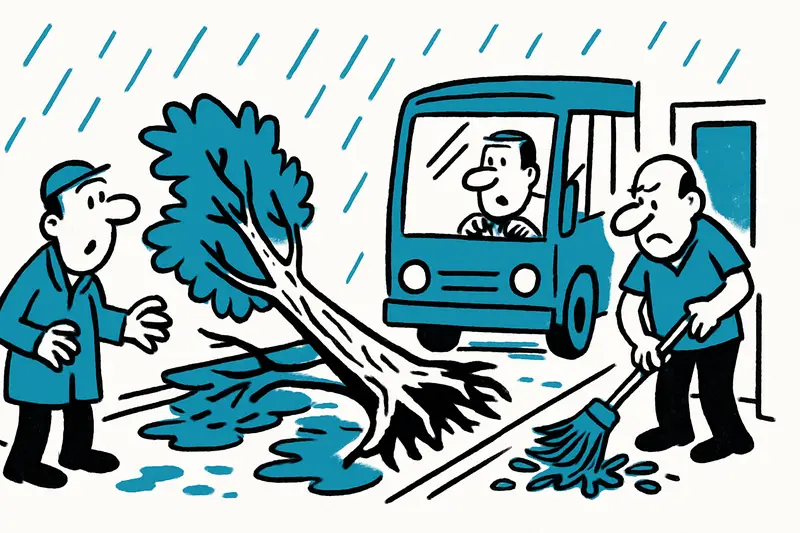
Saturday afternoon, about an inch of rain in a few minutes: I was standing with a half-full cup in front of a bar on Carrer Joan Lliteres when a short rumble rolled over the roofs and moments later turned the street into a 'Mallorcan shower'. It smelled of hot asphalt and damp pine wood, the curbs filled up, and an old pine tree snapped and fell — right onto the road. Passersby called the fire brigade, a scheduled bus had to swerve and continued about 40 minutes late. The bar owner swept up wet leaves and muttered wryly: 'typical August surprise'.
The central question: Are we prepared for such locally intense downpours?
Such short, very intense rains are not new, but they are occurring more frequently and more locally, as noted in Restless week in Mallorca: How well is the island prepared for heavy rain?. The national weather agency Aemet had issued a Yellow warning — enough to raise awareness, but not dramatic enough to trigger large-scale emergency plans. Nevertheless, the rain was enough to make streets temporarily impassable and to bring down urban trees, as reported in Thunderstorms over Mallorca: Streets Flooded, Parks Closed — Are We Prepared?. The key question remains: Are our preventive measures (tree maintenance, sewers, municipal alert chains) sufficient to cope with such surprises?
What the fallen tree tells us
A fallen tree is rarely just a weather event. It tells of past dry years, of loosened soil, of wind and of the level of care given by the city's tree maintenance. In Manacor, as in many places on Mallorca, resources for regular inspections are limited; major interventions are usually reactive rather than preventive. Added to this: intense, local rainfall can briefly waterlog soils — trees whose root zones are already weakened then give way more quickly.
Then there's the drainage. The water volumes on Saturday were very concentrated locally: puddles accumulated in spots that are never critical in moderate rain. That points to bottlenecks in drainage or to blocked gullies — a small cause with big effects for traffic, described in After the Thunderstorm: Flooded Streets, Mudslides and the Big Question About Mallorca's Preparedness. For bus drivers and emergency services these choke points can quickly become a problem.
Aspects that are too rarely discussed
First: budgets and timetables. Municipal services often operate with tight resources; preventive tree care and gutter cleaning are costly and only visibly missed after problems occur. Second: risk communication. Aemet's yellow warning reaches many, but not all — especially older people or those without a smartphone remain out of reach. Third: ecological interactions. Periods of drought alternate with sudden downpours; this stresses trees and soils in a way that requires long-term planning.
Fourth: mobility and everyday life. For commuters, students and the elderly, even a short closure of a small local street can trigger a cascade of delays — the bus diversion on Saturday is a small example of larger logistical issues, similar to incidents recounted in Orange storm cripples Palma: parks closed, markets cancelled – Is the city well prepared?. Finally: neighbourhood networks work well — neighbours helped with towels, a café lent bowls for bailing out water — but voluntary help and improvisation can only respond so far to structural weaknesses.
Concrete suggestions for a more resilient town
Better prioritisation of tree maintenance: Regular inspections, especially after dry spells and strong winds, combined with a digital inventory of street trees so weaknesses become visible faster.
Targeted cleaning and upgrade of drainage: Increase maintenance intervals at critical spots; where possible create retention areas or use permeable surfaces to relieve pressure.
Improved risk communication: Local alert chains, SMS alerts or notices in bars and community centres can complement Aemet warnings to reach older and less connected residents.
Bus and traffic planning for extreme events: Emergency routes and clear diversion plans, regularly rehearsed with drivers and transport operators, reduce chaos and delays.
Promotion of neighbourhood resilience: Small workshops on first aid for storm damage, joint gully-cleaning days and a network of volunteers — these strengthen local response and temporarily relieve emergency services.
A pragmatic outlook
Saturday showed: Manacor generally functions in a crisis — the fire brigade arrived, neighbours helped, and the bus found its way. At the same time, such episodes reveal where improvements are needed if intense, localised rain events become more frequent. It's not about spreading panic, but about sober preparation: small investments in maintenance, communication and simple technical measures can significantly reduce the impact.
One last image: men with brooms, a bar owner with a cup and wet leaves — these are the small, human scenes that all too quickly become the norm in Mallorca. If urban planning and neighbourhoods work together, that does not have to remain the case. Only then will a shower leave the street briefly wet — and not a traffic chaos that takes the colour out of a hot August week.
Frequently asked questions
Why do short downpours in Mallorca sometimes cause so much disruption?
What should I do during a yellow weather warning in Mallorca?
Is it safe to drive or take the bus in Mallorca after heavy rain?
What causes trees to fall during storms in Mallorca?
How well is Manacor prepared for sudden heavy rain?
Which parts of Mallorca are most affected by sudden local flooding?
What can Mallorca towns do to prepare better for intense rain?
Why does a short summer shower feel so disruptive in Mallorca?
Similar News
Masked Images, Real Panic: When Social Media Aesthetics Alarm Neighbors
Five German content creators filmed on a recently vacated detention site using deceptively realistic props. The result: ...
Why the Striped Breams in Cala Pí Should Be a Wake-up Call
Once again bathers in Cala Pí were surrounded while swimming by small, nippy fish — some wounds bled. Time for clear rul...
Daily from New York: How Palma's Air Traffic Is Growing — and What Must Change
United will increase the Newark–Palma service to daily flights in 2027 (Boeing, 231 seats). Strong tourist numbers clash...

When Love Ends in Shards: Destruction in Son Vida and the Questions That Remain
In Son Vida a relationship dispute escalated: a woman destroyed furniture in a luxury villa, later pressed a panic butto...
Who Bears the Burden? Mallorca Between Tenant Protection and Landlord Fears
Madrid's new housing decrees strengthen tenant rights — but on Mallorca concern is growing: will the law drive small lan...
More to explore
Discover more interesting content

Can Cap de Bou

Townhouse Lleo 72
