
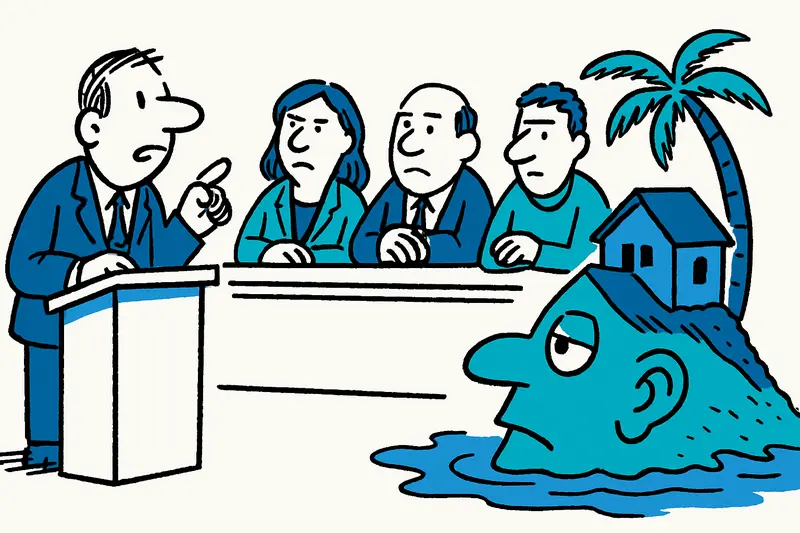
Sale to Non-Residents: Parliament Debates — and the Islands Listen
Sale to Non-Residents: Parliament Debates — and the Islands Listen
Two draft bills call for stronger limits on land purchases by non-residents and funds. The debate shows the housing crisis is openly on the table, but legal and practical obstacles are significant.
Sale to Non‑Residents: Parliament Debates — and the Islands Listen
Taxes, bans, everyday life: Why the idea is back on the table in the Balearic Islands
Guiding question: Can the Parliament of the Balearic Islands change the free property market so that locals once again have a real chance of an affordable home, without venturing into legal uncertainty?
At the upcoming plenary session two initiatives will be debated that have not clashed so clearly on the islands for a long time: One from Unidas Podemos aims to make purchases more expensive when properties are acquired for tourist purposes or by investment funds. Another initiative from Més wants to significantly restrict purchases by persons without residence in the Balearic Islands — not based on origin, but on the intended use of the property.
You can already hear the debate on the street: on the Passeig Mallorca a busload of construction workers fills their thermoses, the ticking of the espresso machine comes from a café, and conversations increasingly turn to whether one's daughter or young nephew will be able to find an affordable flat at all. That makes clear what this is about: it is not just politics, it is everyday fear.
Critical analysis: Both proposals hit a nerve. They address two different levers — taxes and access restrictions. The tax option can be defended more easily across Europe because it works economically without formally restricting property rights by origin. The ban concept, however, immediately raises constitutional and EU law questions, as discussed in Who Owns the Island? Sánchez Brings the EU into Play Against the Second-Home Boom: targeted and purpose-bound restrictions can quickly be classified as discriminatory or disproportionate if they target the person of the buyer. For this reason conservative and centrist forces are skeptical: not only because of political principles, but also because of legal risks and possible lawsuits with lengthy consequences for the region.
What is missing in the public discourse: the debate currently revolves strongly around buzzwords like "ban" or "tax increase", but there is a lack of concrete numbers, timetables and impact-model calculations. How many flats are actually intended "for tourism", how many stand empty, how large would the additional revenue from higher levies be — and how would the money be used? For instance, reports such as Almost 500 Occupied Homes for Sale: A Problem for Buyers, Neighbors and the Island show the scale of listings that should be quantified. The public and authorities need transparent databases on vacancy, tourist use and ownership structures. Without this basis any political measure becomes a blind strike into the fog.
Practical solution proposals: First, a mandatory reporting requirement for vacancies combined with a phased vacancy tax — this creates pressure to return unused housing to the market, and helps curb illegal listings highlighted in Shadow Market in the Island Paradise: Occupied Houses in Mallorca Sold at Premium Prices. Second, tax incentives and reduced loans for buyers with permanent residence on the islands as well as preferential allocation of public housing to people with local ties; these measures echo proposals in Buying and Renting in Mallorca: Why Prices Are Pushing Locals to the Edge — and What Could Help Now. Third, clear criteria to distinguish holiday rentals from permanent housing need: anyone who buys a property with the intention of using it for tourism must apply for a special license, linked to stricter requirements. Fourth, targeted regulations for funds: higher property transfer taxes or additional levies when the buyer is a legal entity and acquires multiple units.
Legally sound would above all be an approach that focuses on use and not on the nationality of buyers. This minimizes vulnerabilities in court and at the same time corresponds to the concern of many islanders: housing should serve as housing. At the same time a clear transition rule and an evaluation phase are needed so that owners and market participants do not panic and investments do not stop abruptly.
Everyday scene: At the Mercado de l'Olivar there have rarely been so many conversations about construction projects as these days. A florist says that young couples more often ask about cheap rental offers that they cannot afford; the taxi driver from the Estación Intermodal notices that many drivers prefer to commute to the island capital because they still see a chance of finding a room there. Such voices show how much the housing question interferes with the rhythm of the island.
What politicians must deliver now: realistic accompanying plans. These include a transparent data basis, hardship provisions for owners who depend on income from holiday rentals, and a phased timetable so the market does not collapse suddenly. Regional authorities should also immediately work on an interinstitutional roadmap: municipalities, government and interest groups must develop common criteria that also withstand legal scrutiny.
Punchy conclusion: The debate is necessary and inevitable. Those who fight the problem only rhetorically shift the costs onto tenants, commuters and young families. But those who react with a sledgehammer risk costly lawsuits and market distortions. The challenge is to translate political assertions into manageable, legally secure steps — step by step, with clear data and realistic transition periods. Then there is a real chance that the Balearic Islands will again provide access to housing that remains attainable for people who live and work here.
Frequently asked questions
Why are property restrictions for non-residents being discussed in Mallorca?
Is it legal to restrict property purchases in Mallorca based on residency?
What would a tax increase on tourist housing mean in Mallorca?
How could empty homes be brought back onto the market in Mallorca?
What help could local buyers get when purchasing a home in Mallorca?
How do Mallorca housing rules affect holiday rentals and tourist use?
What should buyers know before investing in property in Mallorca?
Why is the housing debate in Mallorca so urgent for local people?
Similar News

Fewer Airlines, Fewer Destinations: What Palma's Winter Flight Schedule Means for Mallorca
Analysis shows: Winter at Son Sant Joan Airport will be quieter, with significantly fewer airlines and destinations. Who...
German tourist dies in Sa Calobra – a reality check for emergencies on Mallorca's beaches
A 40-year-old tourist died at the Torrent de Pareis. The emergency call, a doctor who happened to be present, a defibril...
Deadly Tractor Accident in Bunyola: What Needs to Be Done Now
In a work accident on an estate near Bunyola, a roughly 40-year-old man lost his life. His wife and a small child were o...
Head-first dive into the shallow part of Cala Fonoll: An accident and the unresolved question of responsibility
A young tourist dove into Cala Fonoll and was seriously injured. Key question: Why are clear warning signs missing at da...

Mistaken identity with fatal consequences: Brutal assault in S'Aranjassa — what's missing in the follow-up?
At S'Aranjassa a visitor to a finca was tied up, beaten and thrown out of a van. Three men have been arrested, including...
More to explore
Discover more interesting content

Can Cap de Bou

Townhouse Lleo 72
