

Who decides the time in Mallorca? Between bright mornings and long summer evenings
Madrid and Brussels debate — on Mallorca it's about everyday life: brighter winter mornings or later summer evenings? A look at work, safety, health and concrete local solutions.
Who decides the time in Mallorca? Between bright mornings and long summer evenings
When the clock is endlessly debated in Spain's plan to abolish the semiannual time change or Brussels, it sounds distant. But on Mallorca these debates ring out like a ferry horn early in the morning: immediate and mood-dependent. The guiding question is simple and yet fundamental: Do we want brighter mornings in winter — or longer evenings in summer?
More than a 60-minute difference
Often the discussion is reduced to the meme “summer time versus standard time”. But on the island it's about everyday scenes: the fisherman who departs from Port de Sóller at 7 a.m., the bakery in Inca where croissants already smell at 5 a.m., or the terrace on Passeig Mallorca that only really comes alive late at night in August. Permanent summer time for Mallorca pushes mornings into darkness, while permanent standard time shortens the long summer evenings that bring revenue to many businesses.
Health, work and safety — the inconvenient facts
Chronobiologists consider standard time more beneficial: more daylight in the morning means better sleep, less “social jetlag” and fewer long-term health harms. At the same time many island economies rely on later sunsets: bars, restaurants, beach kiosks — they are not economically neutral. Less evening light can reduce seasonal work and thus threaten income.
There are further effects that are rarely discussed loudly in cafés and on plazas: road safety before school starts, working hours in hospitals, the coordination of ferry and flight schedules. When in the depth of winter the sun doesn't rise until 8 a.m., school routes, supply chains and cleaning crews are affected. Municipalities then have to consider more street lighting, changed bus timetables and additional safety measures — and that costs money.
The local dilemma
On the square in front of the bakery the arguments collide. “Longer evenings bring guests, atmosphere and tips,” says the waiter. “But my daughter arrives at school tired in the morning,” replies a mother from Son Serra de Marina. Both are right. Both only see a slice of the problem. Added to this is the social imbalance: young shift workers, older people with fixed sleep rhythms and tourist businesses feel the effects very differently.
What is mostly missing in the debate
Three points are often overlooked: First, coordination. Mallorca is part of a transport and economic system — ferries, flights, hotel chains and deliveries need reliable times. A patchwork Europe would lead to chaos in timetables and cross-border services. Second, adaptation costs: new timetables, changes to street lighting, school buses and safety concepts cost money and planning effort. Third, the unequal distribution of consequences: not all population groups are equally resilient or have the same alternatives.
Concrete opportunities — a proposal for the island
Instead of tearing itself apart between two dogmatic options, Mallorca could take the decision as an opportunity to think more flexibly. Proposals that would be practical here:
1. Staggered school and work times: Pilot projects where schools and some businesses shift their start times could show how much daylight can be gained for children without emptying the evenings.
2. Balearic coordination: Instead of relying only on Madrid, the Balearic governments pressing for permanent summer time should jointly present a proposal to Brussels — this strengthens the negotiating position and prevents patchworks.
3. Local trial phases: Municipalities like Pollença, Alcúdia or Deià could introduce different models experimentally and collect data — on school tiredness, traffic accidents and revenue developments.
4. Adjust infrastructure: Better school route lighting, more flexible bus and ferry timetables, time-adjusted shift models in hospitals and small support programs for businesses that need to adapt their opening hours.
5. Information campaign: Education about health consequences, economic effects and the real costs of the change. Facts calm debates that otherwise become emotional too quickly.
A pragmatic outlook
The decision about the clock will not only be made in ministries; it is made in conversations on the square, after the siesta, while doing the dishes in the tapas bar. Mallorca doesn't need a dogmatic one-size-fits-all solution, but a plan that combines coordination, social compensation measures and data from real trial phases. Only in this way can it be prevented that some are left standing in the dark in the morning while others sit late into the night — a tension that reflects why our clocks tick differently on the island.
In the end the image of a January morning in the harbor remains: nets crackle, the world is still dark, and somewhere one wonders whether to turn on the light earlier or later. Crucial will be who turns the dials — and whether we as an island are wise enough to shape the outcome together.
Frequently asked questions
Why is the time change such a debated issue in Mallorca?
Would permanent summer time be a good fit for Mallorca?
Is standard time healthier than summer time in Mallorca?
How does the time change affect tourism and nightlife in Mallorca?
What problems would darker winter mornings cause in Mallorca?
Could Mallorca test different opening and school times instead of changing the clock?
Which places in Mallorca could trial a different time model?
Why do ferry and flight schedules matter in the Mallorca time debate?
Similar News
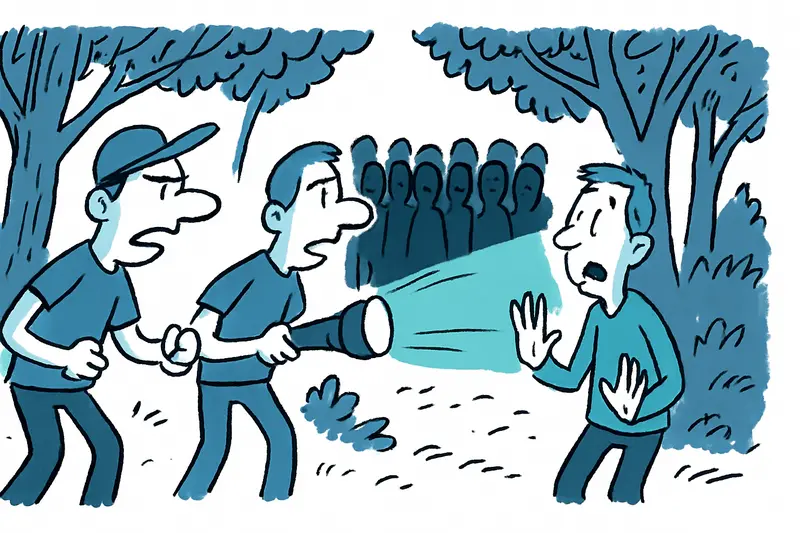
Fear in the Sa Teulera Forest: Youth Groups Harass Cruising Zone in Palma
In the wooded area of Sa Teulera, those affected report verbal attacks, property damage and intimidation. How safe is th...
Axa opens first health center in Palma: €3 million, 650 m² and more local access for La Vileta
In the heart of La Vileta, Axa has opened its first own health center in Mallorca. On around 650 square meters and with ...

30 Years of Nit de l'Art: What Palma's Art Night Really Shows — and Conceals
Nit de l'Art celebrated its thirtieth anniversary: full galleries, young visitors — and the quiet tensions between the a...

Hunt for Older Holidaymakers: Arrests after Suspected Pickpocketing in Port d'Andratx and Bellver
Five suspects were arrested after investigators accuse them of targeted pickpocketing of elderly tourists in Port d'Andr...
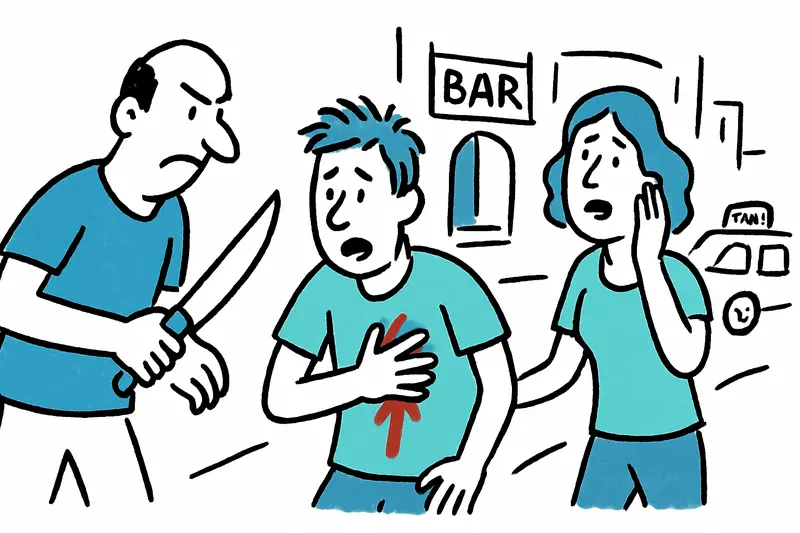
Knife stabbing in Magaluf: Why it must not remain an isolated incident
A 21-year-old tourist was stabbed in the chest in Magaluf and is in life-threatening condition. A reality check: what's ...
More to explore
Discover more interesting content

Can Cap de Bou

Townhouse Lleo 72
