
Saturdays in Mallorca: Between Sporting Glory and Traffic Jams – What Residents and Drivers Should Know
Saturdays in Mallorca: Between Sporting Glory and Traffic Jams – What Residents and Drivers Should Know
Ironman in Alcúdia and the Binter Night Run in Palma will cause road closures next Saturday. Who is affected, which questions remain and how it could work better.
Saturdays in Mallorca: Between Sporting Glory and Traffic Jams – What Residents and Drivers Should Know
Ironman 70.3 in Alcúdia and the Binter Night Run in Palma cause road closures – an assessment with a view on everyday life
Key question: How much do residents and road users have to yield to major sporting events in Mallorca – and how well prepared are the island and organizers for the consequences?
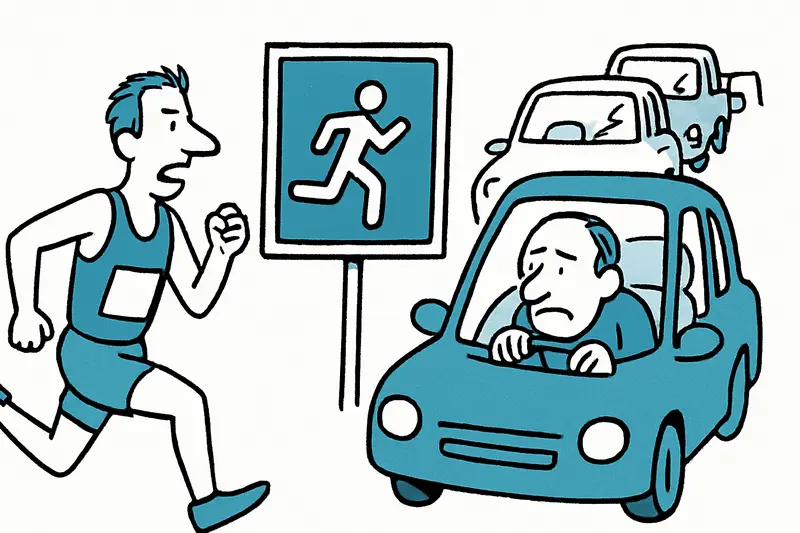
On paper it's easy: thousands of athletes, enthusiastic spectators, attention for the island. In practice, for many drivers this Saturday means detours, closed town centres and patience. In the north, the Ironman 70.3 ties up Port d'Alcúdia and lays the bike route through the Tramuntana communities of Pollença, Lluc, Caimari, Muro and Sa Pobla. In Palma the Binter Night Run takes place in the evening and occupies space around Castillo Bellver, the Paseo Marítimo and the old town. Local reporting has detailed these closures and detours: Palma packed: Fira del Variat and night run cause traffic stress – what residents and visitors need to know now.
Viewed critically: the sporting routes are demanding and beautifully planned, but they often use the narrowest village streets. This leads to an unpleasant intersection: pro cyclists and hobby riders, agricultural traffic, commuters and tourists who do not always find an obvious detour. For events of this size one missing sign is enough – and a small country road instantly fills with cars.
What often gets too little attention in public discourse are the short-term effects on everyday routines. Suppliers, care services, patients with doctor appointments, craftsmen – they are not automatically part of the event planning, but they feel the impact. In Port d'Alcúdia, where parking is already scarce in summer, an additional closure quickly becomes a blockade for residents who need to shop or take children to school.
A scene on the Passeig: early in the morning the bike rack clicks on the roof of a hire car, two hotel employees carry crates to the delivery van, and in a small café at the harbour fishermen discuss the best route to Sa Pobla. You can hear the waves, seagulls and occasionally the distant rumble of a motorcycle – normal life competing with the logistical effort on such days.
Concrete improvement approaches are obvious and pragmatic: better, early communication across multiple channels; clearly visible detour signs not only digital but on site; temporary shuttle connections between car parks and event sites; priority for emergency vehicles in detour planning; and coordinated delivery time regulations for affected businesses. These measures have been discussed in local analysis of the city's festive events: Fira del Variat and Night Run: When Festive Spirit Meets Everyday Life — What Palma Should Improve Now.
There also needs to be more transparent information for residents: who is actually affected, at what times and which alternative routes make sense? Digital maps, local loudspeaker announcements in the villages and notices in supermarkets or pharmacies would help. Organizers and municipalities could also appoint a liaison officer who serves as a contact person on the day itself – that builds trust and reduces improvised actions on the road.
Another point: the inclusion of agriculture. Tractors with harvest goods drive through the villages daily on Mallorca. If race routes are placed through such routes, there should be clear arrangements so that no one suddenly gets stuck in the race traffic with full trailers.
For drivers this Saturday: stay calm, allow extra time, pay attention to local announcements and use public transport if possible. Those who must deliver or have appointments should contact organizers or municipal offices in advance. Visitors to Palma who want to watch the evening run should look for parking outside the centre and plan to walk or take buses for the last mile; practical detour and bus information is outlined in Palma at the Weekend: Closures, Detours and What Residents Should Know.
Concluding note: sport brings life to the island, but not automatically smooth mobility. A bit more organisation, clear communication and local sensitivity would be enough to better reconcile enthusiasm and everyday life. Otherwise the applause remains at the roadside while honking and frustration on side streets create a bad atmosphere.
Frequently asked questions
What is the weather like in Mallorca in March?
Is Mallorca warm enough to swim in spring?
What should I pack for Mallorca in March?
Is March a good time to visit Mallorca for walking and sightseeing?
What is Palma like in spring?
Is Alcúdia a good place to visit in early spring?
What kind of activities work well in Mallorca before summer starts?
Does Mallorca feel crowded in March?
Similar News

When the Wallet Becomes a Danger: Attack in Peguera and Lessons for Mallorca
In Peguera, two women are said to have stolen the wallet from a 75-year-old German couple. When the victim intervened, t...
Plata stays Plata: Young people take over, Llonguets remain
A small bar on Carrer de l'Argenteria will continue: Tolo Serra hands the place over to young Mallorcans at the end of t...

Unnoticed in the Luggage Compartment: How a Boy Traveled More Than 100 Kilometers in a Team Bus
A minor traveled in the undercarriage of a team bus for more than 100 kilometers until his cries for help were heard. A ...

Cap Vermell Grand: Second Michelin Key – a Gift for the East
The Cap Vermell Grand in Capdepera has been awarded its second Michelin key. For the region this elevates the luxury off...
Eurowings lets four aircraft carry names – a friendly idea that also reaches Mallorca
Eurowings is launching a campaign: four Airbus A320s are to carry the first names of people who help others in everyday ...
More to explore
Discover more interesting content

Can Cap de Bou

Townhouse Lleo 72
