
"Sleeping in a stinking bathroom?" – When seasonal accommodation becomes a health hazard
"Sleeping in a stinking bathroom?" – When seasonal accommodation becomes a health hazard
A young employee reports that instead of the promised hotel room in Magaluf she was assigned a windowless area that smelled of sewage. What the problem reveals and which steps are necessary to better protect workers.
"Sleeping in a stinking bathroom?" – When seasonal accommodation becomes a health hazard
A young woman from guest services in Magaluf speaks openly about degrading conditions and their consequences
Key question: How can it be prevented that employment contracts in Mallorca implicitly bind workers to unacceptable accommodation?
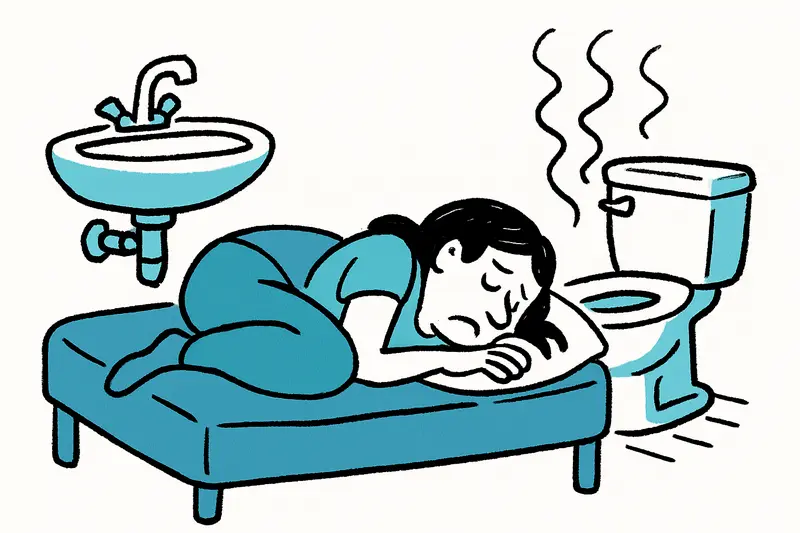
A woman who was supposed to work in a hotel's guest services in Magaluf reports that instead of the promised single room she was given a windowless space that was effectively a bathroom and smelled of sewage. According to her account, first contact with the placement agency took place in mid-February; one day after her arrival she was expelled from the hotel room because, allegedly, there was no longer any space. The supposed interim solution – a bed in a washroom with poor plumbing – affected her physical and mental health. She reports nausea, vomiting at night and later panic attacks, and that she had to pay for hostel nights herself and provide her own work clothing.
Critical analysis: The case is not isolated but reflects a structural problem. Thousands of jobs are filled on Mallorca during the high season; employment is often tied to accommodation that is not part of the written contract. This allows intermediaries or external service providers to break promises at short notice – with clear power imbalances between applicants and employers. If accommodation is not contractually guaranteed, those affected are often left with extra costs and hesitate to report grievances because the job can be replaced quickly.
What is missing from the public debate: So far discussion has focused mainly on a lack of housing, as illustrated by I sleep in a motorhome: When the rescuer himself has no roof over his head, or wage levels. The grey area around arranged staff accommodation is rarely addressed: What standards apply? Who is liable when outside companies arrange housing? And how quickly can those affected get help from state institutions? There are no clearly visible processes and easily accessible information for seasonal workers – in Spanish, English and other languages.
Everyday scene from Magaluf: It is early morning on the promenade, bins clatter, vans arrive, cleaners push their carts by. Between the noisy bars and tourist accommodations, staff often work shifts that leave little time to explore the town. Someone returning home after a night shift wants only one thing: a door with a window, fresh air and quiet. In practice, this small demand can decide between well-being and illness.
Concrete problems emerging from the report: insufficient hygiene due to poor plumbing, lack of privacy because of windowlessness, communication failures between hotel and intermediary, upfront costs borne by the employee and psychological consequences caused by constant insecurity.
Concrete solutions:
1) Written guarantees: Any accommodation that is part of the employment offer must be recorded in writing: location, furnishings, who pays the costs. Only then can it later be checked whether agreements were kept.
2) Fast reporting channels and protection: Seasonal workers need an easily reachable central contact point – digital and local in places like Calvià/Magaluf – for complaints about accommodation. There should be checks for health hazards and temporary alternative solutions organized, as highlighted by Foul-Smelling Promenade, Empty Promises: Hoteliers in S'Arenal Put Pressure on Llucmajor.
3) Cooperation with inspections and unions: State labor inspectorates (Inspección de Trabajo y Seguridad Social) and local trade unions must pay more attention to accommodation, not just wages. Regular checks during peak times could curb abuses.
4) Contracts between hotels and intermediaries: Hotels should include clear sanctions in their contracts with external firms if promised accommodations are missing or minimum hygiene standards are not met.
5) Transparency obligations: Intermediaries must provide workers with photos, the exact address and contact details of the accommodation before departure. Digital checklists could help document defects immediately.
Why this matters: A bed in a windowless room that smells of sewage is not only unpleasant – it can pose acute health risks and cause long-term psychological harm to employees. Reliable, healthy workers are essential for the island's economy; constant turnover and poor working conditions harm everyone.
What the affected person is doing now: She reports having evidence – messages, phone calls, emails – and indicates that she has initiated legal steps. This shows: documentation is one of the few effective tools those affected can use.
Concluding point: Anyone selling a smile at the reception in Magaluf does not deserve to be hidden behind a toilet door. Employers, intermediaries and authorities must ensure that accommodation is not bargaining chip but meets minimum standards. Without binding rules, the island remains a place where honest work is too easily bought at the cost of health risks.
What anyone locally can do: Accompany colleagues attentively, document incidents immediately, inform local advice centers or trade unions and – where possible – insist on written guarantees. Small steps that together can make a season safe.
Frequently asked questions
What is the weather like in Mallorca in early June?
Can you swim in Mallorca in early June?
Is early June a good time to visit Mallorca?
What should I pack for Mallorca in early June?
How crowded is Mallorca in early June?
What is Port de Sóller like in early June?
Is Palma comfortable to explore in early June?
What can you do in Mallorca in early June besides going to the beach?
Similar News

The Painter Who Invented Himself: How a Young Viennese Drew Mallorca
A hundred years ago a 19-year-old draftsman arrived in El Terreno. His diary and sheets, long known under the pseudonym ...
Released with Conditions: The Plus Ultra Suspicion and a Mallorcan Finca as Residence
A Dutch entrepreneur, sought in connection with the Plus Ultra case, was extradited to Spain after his arrest in Germany...

Haute Nuit in Puerto Portals: Fashion, Art and Indulgence by the Water
On October 2 the Lobster Club in Puerto Portals will be transformed into a stage for curated fashion, art and culinary e...
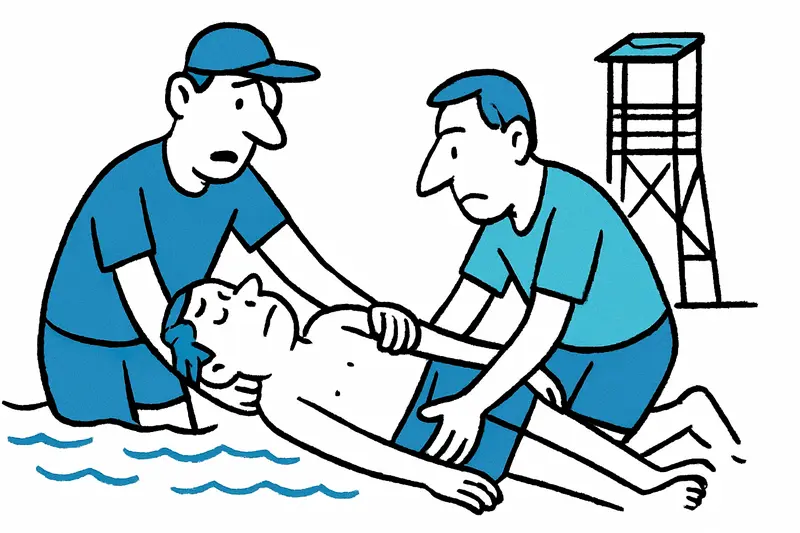
Magaluf: Watchtower Alarm – Lifeguards Pull Unconscious Beachgoer from the Water
After a drama in the late afternoon, two lifeguards at Magaluf beach rescued an unconscious 44-year-old man. He was stab...
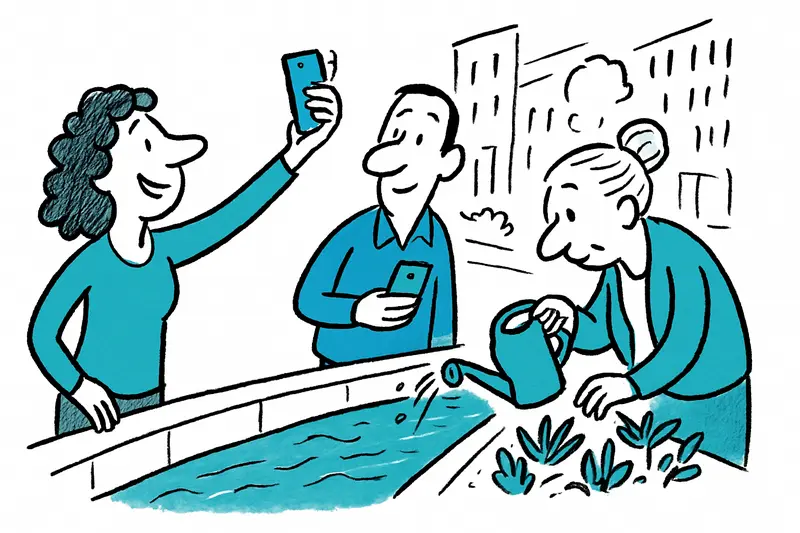
Turquoise in the City: How dangerous is the color play of the Sa Riera?
The Sa Riera in Palma suddenly turned turquoise — a pretty motif, but behind the effect lies a discharge of saline waste...
More to explore
Discover more interesting content

Can Cap de Bou

Townhouse Lleo 72
