
Shattered Sail: What the ravaged wreck off Son Servera reveals about Mallorca
Shattered Sail: What the ravaged wreck off Son Servera reveals about Mallorca
Since January the German two-masted yacht “Acoa” has been stuck off Son Servera. Now the wreck has been daubed with slogans like “Tourists go home” and had its windows smashed. Who pays, who protects and what is missing from the public debate?
Shattered Sail: What the ravaged wreck off Son Servera reveals about Mallorca
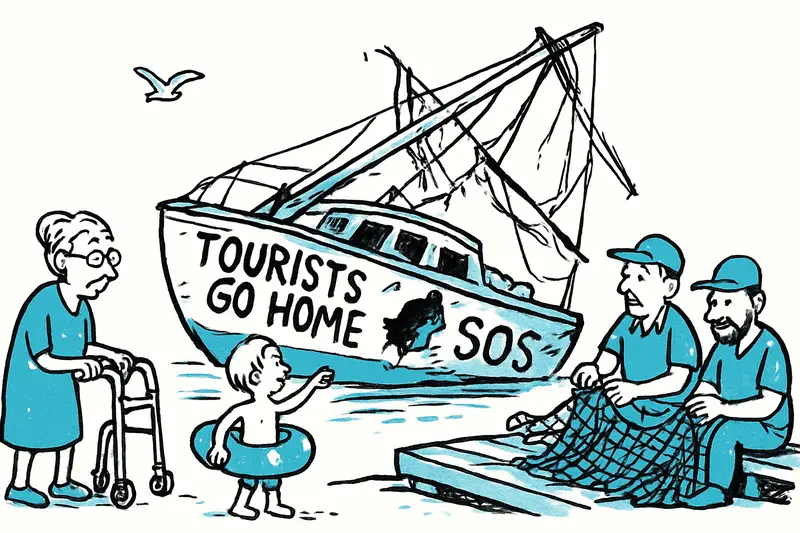
In the early morning, when the market women in Son Servera set up their stalls and the first joggers run along the promenade, the “Acoa” can be seen lying in the shallow water off Playa de Sa Marjal. Gulls cry, the air smells of sea and fish — and amid all that everyday life the shattered white hull cuts into the scene like a foreign body. Since the storm at the beginning of the year the 28‑metre aluminium ketch wreck has been waiting there; now unknown persons have further damaged the vessel: smashed windows, torn‑off rigging, graffiti with slogans like “Tourists go home” and “SOS Residents”.
Guiding question
Who bears responsibility for a stranded, partially destroyed and politically charged vessel on our coast — the owner, the public authorities, or the community that lives and works here?
Critical analysis
Fact: the “Acoa”, an aluminium ketch built for world travel, designed by Ed Dubois and constructed in Germany, has lain on the coast since storm “Harry”. It has experience that other boats do not — circumnavigations, missions in the Antarctic — and yet it ended up in the surf. Salvage costs are estimated at around €300,000; the vessel’s value is roughly reported in media as around €1 million. That is a large sum for a private matter, but it is not insignificant for the public image and safety on the coast: sharp edges, suspended masts and scattered equipment pose dangers to swimmers and small craft.
The recent act of vandalism aggravates the situation. Graffiti and deliberate destruction are crimes, but they are also a symptom: irritation about tourism, resentment toward symbols of wealth, frustration over noise, prices and density. The ship has become a carrier of a message — aimed at visitors, at owners and at authorities.
What is missing from the public discourse
We hear the slogans and see the wreck, but very little about the precise legal responsibilities: Who has the final duty to salvage? Is the owner’s insurance sufficient? What role do Costas, the Ayuntamiento and the harbormaster’s office play? Detailed information about environmental risks — leaks, oil, fuel — is scarce. And: the voices of immediate neighbours, local rescue teams and the owner are missing, as is a plan for how to respond more quickly and transparently in comparable cases in the future.
Everyday island scene
A few days ago: an older woman pushes her walker along the paseo, a child tests a new swimming ring, two fishermen mend their nets on the jetty. They pause briefly, look across at the wreck, shake their heads and move on. The scene is typical: the sea is a workplace, a sports ground and a living environment at the same time. A stranded ship changes this everyday life not only visually but also practically — more people stop to look, discussions arise, passersby feel less safe.
Concrete solutions
1) Immediate measure: a clear safety and warning concept around the wreck. Buoys, clearly visible barriers, signs in multiple languages. This protects bathers and prevents further damage by copycats. 2) Legal and financial clarification: authorities should disclose which steps the port authority, the coastal administration and the Ayuntamiento are considering. If the owner is insured, the claim must be processed promptly; if no insurance exists, alternatives remain such as tendering salvage firms that are required to provide cost and environmental protection documentation. 3) Prevention strategy: clear rules and faster intervention in strandings — an emergency plan that defines responsibilities and deadlines. 4) Communication: transparency toward residents and visitors. On‑site and online information reduces speculation and discourages vandalism. 5) Social channel: instead of leaving the wreck as a permanent monument of grievance, local initiatives could be involved (after salvage) — cleanup days, workshops on marine and coastal protection to channel frustrations productively.
Concise conclusion
The damaged sailing vessel is not just a material problem; it is a crystallization point for unresolved questions around tourism, public responsibility and participation. As long as responsibilities remain shrouded in fog and residents see slogans instead of solutions, such images will remain potent. Those who want the coast not to become a stage for frustration must act now: secure, clarify, communicate — visibly for everyone.
Frequently asked questions
What is the best time of year to visit Mallorca for beach weather?
What should I pack for a trip to Mallorca?
Are there family-friendly activities in Mallorca that are suitable for kids?
Is it safe to swim in Mallorca's coast, and what should I watch for?
Will English be understood in Mallorca, or should I learn Spanish basics?
How does Mallorca's weather typically change with the seasons?
What are easy, low key outdoor activities to enjoy around Mallorca?
What local etiquette should I know when visiting Mallorca?
Similar News
Magaluf: Watchtower Alarm – Lifeguards Pull Unconscious Beachgoer from the Water
After a drama in the late afternoon, two lifeguards at Magaluf beach rescued an unconscious 44-year-old man. He was stab...
Turquoise in the City: How dangerous is the color play of the Sa Riera?
The Sa Riera in Palma suddenly turned turquoise — a pretty motif, but behind the effect lies a discharge of saline waste...

Jeckliner at Sunnesching: Cologne spirit sets sail from Palma
In September 2027 the Mein Schiff 2 briefly becomes a floating carnival stage: four days with Cologne bands, comedy and ...
Finally Home: Mike and Leyla Heiter Buy Villa with Sea View in Mallorca
The reality TV couple Mike and Leyla Heiter have bought a house in Mallorca with a roof terrace and sea view. An Instagr...
Arrest after series in Palma: Who protects apartments from repeat offenders?
The National Police arrested a man in Palma who investigators say may have broken into several apartments. In one incide...
More to explore
Discover more interesting content

Can Cap de Bou

Townhouse Lleo 72
