
Silent Invasion in Mallorca: How Foreign Snakes Throw the Island Out of Balance
Silent Invasion in Mallorca: How Foreign Snakes Throw the Island Out of Balance
Introduced snakes such as the horseshoe snake and the Montpellier snake are spreading across Mallorca. A reality check: where the real danger lies, what's missing in the debate, and how residents can help concretely.
Silent Invasion in Mallorca: How Foreign Snakes Throw the Island Out of Balance
A reality check on the spread of foreign reptiles and why we must finally act differently
Guiding question: Can we prevent introduced snake species from cutting apart the fragile web of Balearic nature — or will we continue to react too slowly?
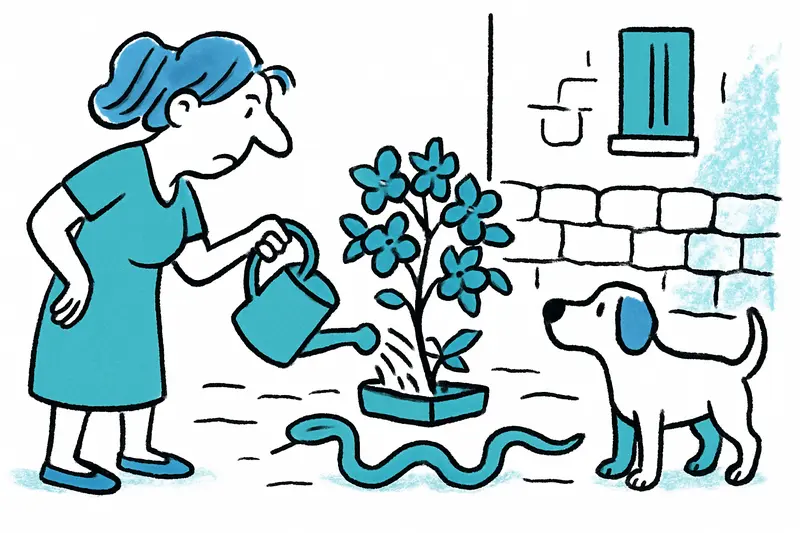
Early one morning in a courtyard in Campos a dog runs by, a neighbor waters bougainvillea, and between the sun-warmed dry stone walls a snake suddenly lies there. Nobody panics; the island knows grass snakes, lizards and once-harmless insect bites. But the species that are appearing now — the horseshoe snake, the Montpellier snake, the green-yellow snake — are new here and are quietly but measurably changing the balance. Scenes like this repeat along coastal towns, in plantations and in settlements: an encounter, a photo, a report to a rescue center.
Critical analysis: the Balearic Islands are evolutionarily isolated. Many native species, such as the Pitiusa lizard, evolved without major predators. If predators suddenly appear that eat these animals or create competition for food, the ecosystem becomes vulnerable. Import pathways are clear: horticulture and plant imports, the pet trade, tourists who bring animals, and freight transports. Authorities like COFIB and conservation organizations have already set up capture programs and manuals for trap boxes — necessary, but not sufficient.
What is missing from public discourse: first, an honest debate about the legal and illegal trade in reptiles and how controls at ports and nurseries are often inadequate. Second, a coordinated database is lacking: sightings too often remain isolated cases in emails or social media posts instead of structured reports accessible to scientists and authorities. Third, responsibility is too often pushed onto volunteers without sufficient training or long-term funding for monitoring and research.
Everyday scene on Mallorca: at the Sunday market in Sineu, between stalls of oranges and ceramics stands a vendor selling Mediterranean plants. Customers load olive saplings and herbs into their cars. Nobody thinks that the soil of a newly bought potted plant might contain eggs or juvenile snakes. Such markets are part of the island's culture — and at the same time an underestimated entry route.
Concrete solutions that can be implemented immediately: 1) Strengthen biosecurity at points of entry: systematic sampling in containers and plant deliveries, better trained customs and port staff. 2) Restrictions and registration for the reptile trade: mandatory reporting on imports, clear labeling, tougher penalties for violations. 3) A central reporting hub: an easily accessible app or hotline that collects sightings, validates them and forwards them to COFIB and research institutions. 4) Public outreach with a local focus: flyers at nurseries, boat rental offices and holiday rentals as well as school programs that explain how to document a sighting safely. 5) Expansion of coordinated capture teams: more staff, standard protocols for trap boxes and humane handling rules. 6) Promote research: who eats whom? How do these snakes behave in agricultural landscapes? Only with data-based prioritization can resources be deployed effectively.
Ethical considerations are also important: on islands, complete eradication of some species can be possible and sensible — but only with transparent scientific justification and involving the local population. Short-term media campaigns, traps without monitoring or private "capture attempts" by laypeople often do more harm than good.
What everyone here can do: take photos from a safe distance, note the location and time, and report to the nearest rescue center or COFIB. Check plant purchases critically, ask the seller about origin and shake pots before loading them. Check pets more often, especially cats, which as hunters can further shift the dynamics. And: do not kill animals out of fear or sensationalism or release them thoughtlessly into the wild.
So far missing in the public field is a binding chain of responsibility: who funds long-term monitoring? Who trains volunteers? How are data standardized? Without answers, the ability to respond remains piecemeal.
Punchy conclusion: we are sitting on a time bomb of quiet arrivals and creeping spread. Mallorca cannot afford the luxury of treating the problem only piece by piece. It needs clear controls at entry points, mandatory reporting channels, more staff at COFIB and similar bodies, and island-wide education that not only raises the alarm but also provides practical tools. Otherwise we will lose, bit by bit, the species that make this island special — not with a bang, but in a slow, almost unnoticeable way.
Frequently asked questions
What non-native snakes are now showing up in Mallorca and why are they a concern?
How can visitors help prevent the spread of introduced snakes in Mallorca?
What should residents of Sineu know about snakes at markets and nurseries?
Why are ports and plant deliveries important to Mallorca’s snake biosecurity?
What concrete steps could Mallorca take to improve biosecurity against invasive snakes?
Is eradicating introduced snakes on Mallorca feasible, and what considerations apply?
What should I do if I spot a non-native snake in Mallorca?
How does research and data collection help protect Mallorca’s wildlife from invasive snakes?
Similar News
New License Requirement for Mini-Boats in Mallorca: Protection Measure or Tourism Brake?
From October 1 renters of small recreational boats in the Balearics must present a boating license. Critical questions r...
After the Storm: Mallorca Breathes Easy — Warm Weekend with Short Showers
The thunderstorm left its mark, but calm returns for the weekend: sun, summer temperatures around 32 °C, isolated shower...
No More 'Just Hop on a Boat': Mallorca, Mandatory Boating License and the Open Questions
From October 1, the Balearic Islands will require a boating license for small rental boats under five meters/15 hp. A tr...
A Glimpse Beneath the Surface: Rare Green Sea Turtle Sighted off Magaluf
While diving off Magaluf, a recreational diver filmed a green sea turtle — an unusual sight in the western Mediterranean...

When the Sóller Valley Becomes a Sea of Cars: Tunnel Closures, Traffic Jams and What's Missing Now
On Thursday midday numerous rental cars flooded the Sóller Valley. Tunnels were temporarily closed, residents were stuck...
More to explore
Discover more interesting content

Boat Tour with BBQ along Es Trenc Beach

Private transfer from Mallorca Airport (PMI) to Pollensa
