
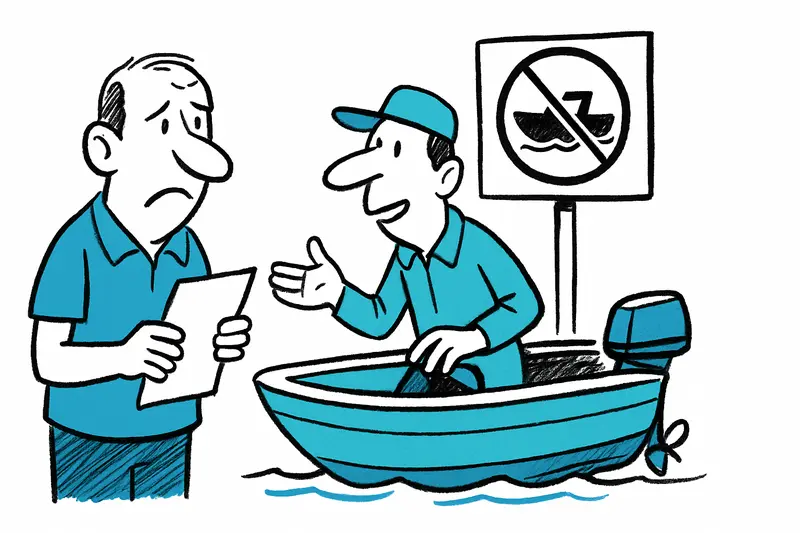
New License Requirement for Mini-Boats in Mallorca: Protection Measure or Tourism Brake?
New License Requirement for Mini-Boats in Mallorca: Protection Measure or Tourism Brake?
From October 1 renters of small recreational boats in the Balearics must present a boating license. Critical questions remain: Is enforcement practical, what are the conversion costs — and do the rules actually protect the coasts?
New License Requirement for Mini-Boats in Mallorca: Protection Measure or Tourism Brake?
Key question: Will the obligation to hold a boating license for vessels under five meters and up to 15 HP from October 1 bring more safety — or will it shift the burden onto small rental companies and holidaymakers without sufficiently addressing the underlying causes of the risk?
From October 1 a stricter rule applies in the Balearic Islands: anyone renting a small motorboat must present a valid nautical competency certificate. The central government has thus ended a long-standing practice in which many rental companies only required a sworn statement. According to authorities, the change affects about 600 of roughly 3,500 charter permits on the islands.
The measure comes at a tense moment: a few days ago a rental boat capsized off s'Estanyol and a tourist died. Investigations are ongoing; authorities say the causes of the accident are being examined. Formally the new regulation is older: it had been on the table for some time but was temporarily suspended so as not to further burden the season.
In everyday life it looks like this: early in the morning, when the wind is still weak, tourists stand next to light inflatable boats on the Passeig Marítim in Palma, the smell of diesel hangs in the air, and rental agents quickly fill out paperwork. This scene will change. For holidaymakers who want to spontaneously go out to sea for an hour, the new rule potentially means more effort — and for small boat rental companies the question is how many customers will still be allowed to take the wheel on short notice.
The reform has clear safety arguments. Officials of the Balearic administration point out that the sea is not a parking lot: sudden weather changes, currents or protected Posidonia meadows require more than simply starting an engine. Hundreds of checks are now possible: regional authorities already stepped up inspections in August and in the first half of the month recorded 32 violations, resulting in five proposed sanctions. During checks not only documents but also photos and videos are evaluated to verify whether sworn statements reflect reality.
Critical analysis, however, reveals gaps. First: there is no public, easily accessible statistic that clearly shows how many accidents are directly attributable to a lack of knowledge. Without these numbers the justification remains partly abstract. Second: the capacity of testing centers is limited. Around 3,000 people take nautical exams on the Balearics each year — but if overnight hundreds of thousands of holidaymakers were affected, available appointments would not suffice. Third: language barriers. Many renters are international guests; formal documents in Spanish or Catalan are of little use to them if practical briefings are missing.
What is often missing in public debate: concrete transition rules and cost-transparent solutions. The industry needs practical instruments, otherwise black markets for “temporary certificates” may emerge or rental companies may raise prices to offset the risk. There is also too little discussion about how the obligation affects insurance situations and the liability of small lessors.
Concrete proposals that could come from the practice of harbors and rental companies: short on-site training sessions of 1–2 hours with multilingual instructors and a simple test — recognized as a transitional measure until the regular exam; mandatory safety equipment and GPS geofencing in sensitive marine protected areas such as the Posidonia beds near Colònia de Sant Jordi; digitally issued short certificates after e-learning plus a practical briefing; increased testing capacity through mobile examination teams during high season and clear fee caps so rental prices do not skyrocket.
Practical measures that would help immediately: mandatory, documented briefings for every rental, visible charts with no-go zones on the boat, mandatory life jackets for all passengers and checklists that require photographs of the handover. Such measures would facilitate checks and reduce the risk of inadequate skills without paralyzing entire businesses.
In the end it is about balance. The obligation strengthens the sense of safety and protects sensitive coastal ecosystems — that is non-negotiable if you think of the Posidonia meadows. But sharply worded rules without accompanying measures can unnecessarily complicate life for small businesses and spontaneous holidaymakers.
My conclusion: the decision is right in direction but too coarse in execution. Those who live in Mallorca know it: on the way from the Passeig Marítim to the harbor you already smell the sea and hear the hum of outboard motors. We want those sounds to remain — only safer. That now requires pragmatic transition rules, more testing capacity and binding, easy-to-implement safety standards, not just bans.
Frequently asked questions
When is the best time to visit Mallorca for good weather and quieter beaches?
What should I pack for a Mallorca trip to cover warm days and cooler evenings?
How easy is it to get around Mallorca without a car?
Which Mallorca beaches are good for swimming and family visits?
What outdoor activities are popular in Mallorca besides beach days?
How does the weather vary between the coast and the interior of Mallorca?
Are there day trips from Mallorca’s capital that fit a relaxed itinerary?
What should I know about respecting Mallorca’s environment when visiting beaches and natural areas?
Similar News
After the Storm: Mallorca Breathes Easy — Warm Weekend with Short Showers
The thunderstorm left its mark, but calm returns for the weekend: sun, summer temperatures around 32 °C, isolated shower...
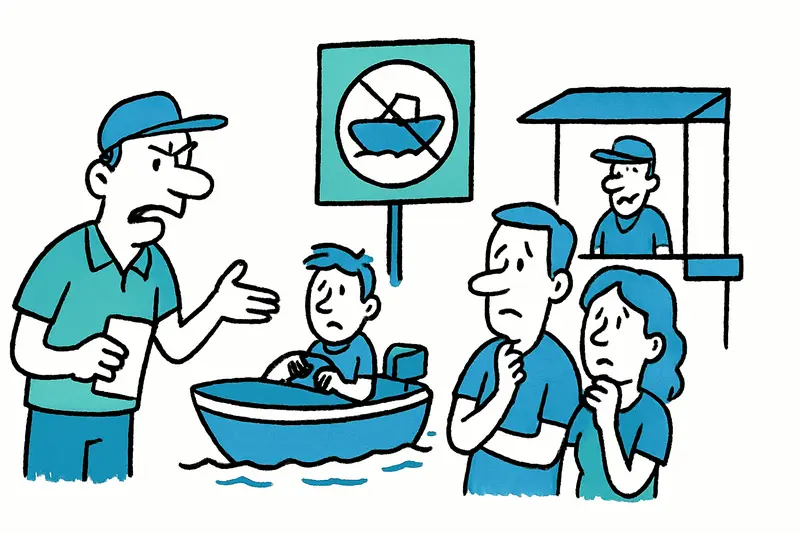
No More 'Just Hop on a Boat': Mallorca, Mandatory Boating License and the Open Questions
From October 1, the Balearic Islands will require a boating license for small rental boats under five meters/15 hp. A tr...

Silent Invasion in Mallorca: How Foreign Snakes Throw the Island Out of Balance
Introduced snakes such as the horseshoe snake and the Montpellier snake are spreading across Mallorca. A reality check: ...
A Glimpse Beneath the Surface: Rare Green Sea Turtle Sighted off Magaluf
While diving off Magaluf, a recreational diver filmed a green sea turtle — an unusual sight in the western Mediterranean...
When the Sóller Valley Becomes a Sea of Cars: Tunnel Closures, Traffic Jams and What's Missing Now
On Thursday midday numerous rental cars flooded the Sóller Valley. Tunnels were temporarily closed, residents were stuck...
More to explore
Discover more interesting content

Boat Tour with BBQ along Es Trenc Beach

Private transfer from Mallorca Airport (PMI) to Pollensa
