
When the mood turns: Sóller, police and the Mallorca dilemma
When the mood turns: Sóller, police and the Mallorca dilemma
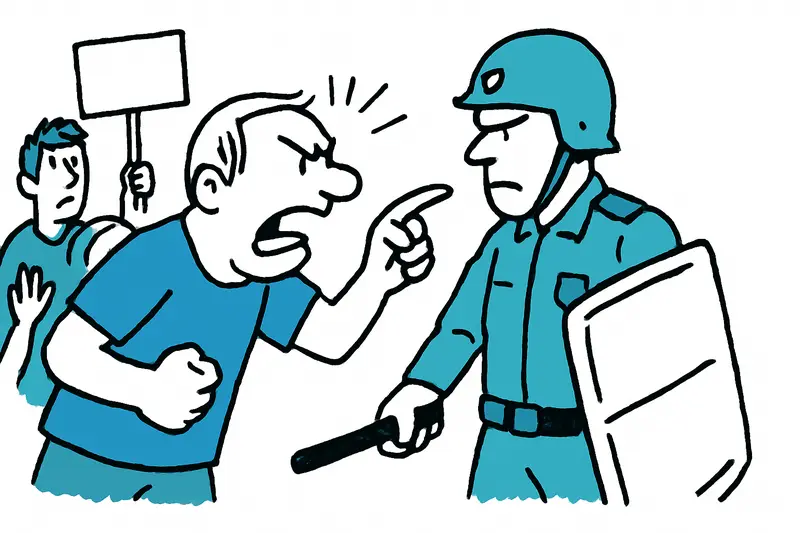
On Saturday a protest movement in Sóller is calling for a demonstration against mass tourism. After the incidents in Palma, mood, security and concrete solutions are now up for debate.
When the mood turns: Sóller, police and the Mallorca dilemma
Guiding question: How can protests against mass tourism be prevented from turning violent — and what is missing for the island to become truly capable of acting?
Next Saturday opponents of mass-tourism policy plan to take to the streets of Sóller at 10 a.m. The announced route runs via Plaça Constitució and Sa‑Lluna Street, and organizers have already expected nearby bars and restaurants to close temporarily. Anyone who gets off the red train from Palma on an August morning and walks up the street feels it immediately: the town smells of oranges, coffee steam and tense murmurs.
The event comes only a few days after a large demonstration in Palma that still has repercussions. Images and reports of scuffles, injured people and heavy police operations have raised questions among many residents of the island. It is not just isolated incidents that are being debated, but an entire system: how will administration, police and civil society handle protests and the issue of tourism in the future?
A brief analysis: on one side are residents who experience day after day how housing becomes scarce, buses are overcrowded and streets like those in the 'Orange Valley' sometimes function only as narrow shortcuts. On the other side are local businesses that depend on guests, and security forces that are supposed to prevent situations from escalating. These three groups are currently not being brought together — and that is dangerous.
What is often missing in public discourse is a concrete, local cost‑benefit calculation. People talk about "less tourism," but not about which forms of tourism, which seasons, or which measures would actually relieve everyday life. There is also a lack of a reliable overview of which investments are urgently needed — for example more buses during peak hours, alternative delivery time slots outside rush hours, or clear rules for short‑term rentals in Sóller's narrow lanes.
And then there is the question of restrictive measures: police operations become a test of trust in the state. When human rights commissions, lawyers or municipal politicians question operational decisions, only one thing remains: independent review. Without it, there is a risk that protests will become more radical — and that the state's reaction will in turn become harsher. A spiral nobody wants.
Everyday scene: Saturday afternoon, Plaça Constitució. A baker pulls warm ensaimadas out of the oven, a teacher with a bicycle bag stops, tourists photograph the church, and young people paste posters on a lamppost. Someone complains about a delayed bus, a pensioner waves it off and says, "We always said it would get tight." Such scenes are not stages for dramatization; they are indicators of what really needs to change.
Concrete proposals that are sensible and realistic for the island:
1) Immediate traffic measures: Additional shuttle buses in the morning and evening rush hours, increased controls to keep delivery vehicles off the road during peak times, clearly marked stopping zones for tourist buses in front of the narrow streets.
2) Short‑term housing relief: Municipal incentives for owners to temporarily rent out vacant apartments for social purposes; a mandatory registry for short‑term rentals with sanctions for violations.
3) De‑escalation and review: Establishment of an independent commission to investigate the recent police operation, mandatory de‑escalation training for officers and a contact point in each municipality for mediation talks between residents, hospitality businesses and authorities.
4) Transparent citizen participation: Regular neighborhood forums in Sóller where concrete figures (occupancy, traffic flows, noise measurements) are published openly — no slogans, just data.
Those who dismiss these proposals as technocratic misunderstand something crucial: protest is a symptom, not the disease itself. Those who combat symptoms only with police presence risk overlooking the causes — rising rents, unregulated holiday rentals, and a lack of public transport where it matters most.
Conclusion: Sóller is not alone this weekend. The island has reached a point where noise, quality of life and the economy collide in a confined space. What is needed are fewer phrases and more tangible rules that work locally. And if state authorities intervene again, the response must not remain an unknown type: transparent investigations, clear responsibilities and a visible plan for the aftermath should be assumed. Only then can the mood be calmed — and real politics for life in Mallorca be made.
Frequently asked questions
When is the best time to visit Mallorca for sunny beach days without peak crowds?
Is a car necessary to explore Mallorca, or can I rely on public transport?
What are some family-friendly beaches on Mallorca?
What should I pack for a trip to Mallorca?
What outdoor activities are popular in Mallorca?
How safe is Mallorca for travelers?
Where can I experience authentic Mallorcan food?
What should I know about the weather and sea conditions for swimming on Mallorca?
Similar News

Cap Vermell Grand: Second Michelin Key – a Gift for the East
The Cap Vermell Grand in Capdepera has been awarded its second Michelin key. For the region this elevates the luxury off...
Eurowings lets four aircraft carry names – a friendly idea that also reaches Mallorca
Eurowings is launching a campaign: four Airbus A320s are to carry the first names of people who help others in everyday ...

From the Reality Studio to the Pitch: Aleks Petrovic Makes Mallorca His Base
The former participant in numerous TV shows moves from Dubai to the island and launches a project with FC Germania Mallo...

When the Phone Falls Silent: Concern for Sarah Joelle in Mallorca — and What It Reveals
After days without a response, the TV personality's unreachability in Mallorca sparked concern. Shortly afterwards an al...
Ultraluxury on the Ground: Four Seasons Jet in Palma — a Reality Check for Formentor and the Island
A high-priced flight crosses Mallorca and its guests stay for days at the Formentor resort. What does the island get bes...
More to explore
Discover more interesting content

Can Cap de Bou

Townhouse Lleo 72
