
Son Banya dresses up for the World Cup – Provocation instead of Perspective
Son Banya dresses up for the World Cup – Provocation instead of Perspective
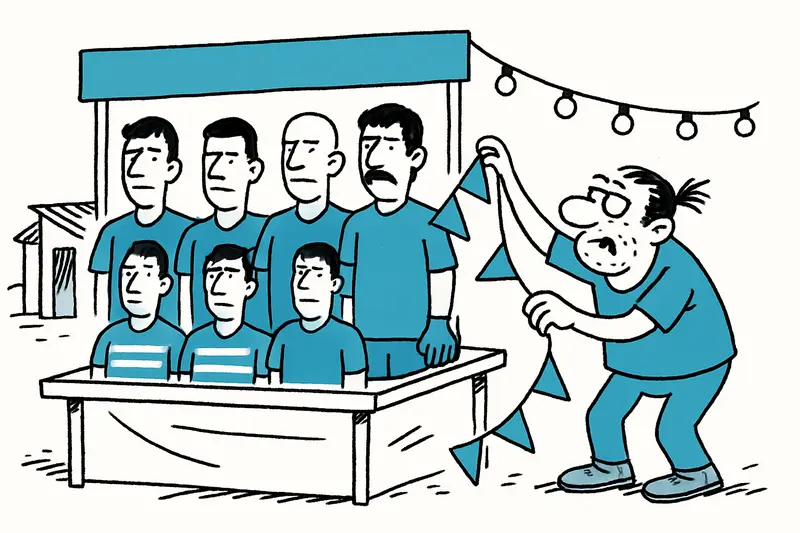
Silhouettes of national players stand above illegal market stalls in Son Banya. The decorations distract: what remains of the problem and which steps are missing to pull people out of the dead end?
Son Banya dresses up for the World Cup – Provocation instead of Perspective
On the outskirts of Palma, at a mild 20°C under a thin veil of clouds, something else suddenly appears among corrugated roofs and flashing fairy lights: oversized figures of Spanish national team players sit atop an improvised stall in the notorious settlement of Son Banya. Pedri, Ferrán Torres, Raúl, Casillas, Isco — the silhouettes look over a place that for years has stood for open drug sales, poverty and failed urban policy. The question is not only who painted the figures, but: does football show really turn a humanitarian and security crisis into a meaningful opportunity?
Key question
Can a stage made of papier-mâché and graffiti cover up Son Banya's structural problems—or does it distract from what politically and socially actually needs to be done?
Critical analysis
The images are ambivalent: they draw attention, make headlines, and may even create a few minutes of understanding or empathy. At the same time they function as a stage set for a system that has been operating on repeat for years. Illegally erected shacks are cleared and soon rebuilt, bigger and more conspicuous. Sellers set up new stalls, buyers continue to come in droves, and the performance gathers momentum. Instead of calm, sustainable options, short-term reactions dominate—demolition, police action, new rebuilds. The constant cat-and-mouse game between city authorities, police and illegal structures ensures that neither housing problems nor criminal networks are efficiently resolved.
What is missing in public debate
Three things receive insufficient attention: first, long-term housing prospects for residents; second, targeted health and drug intervention services on site; and third, a sober analysis of political responsibility across different terms of office. Conversations often revolve around raids or symbolic actions—but rarely about permanent housing programs, regular social work, or a decriminalizing, health-oriented drug policy that does not rely solely on law enforcement.
An everyday Mallorca scene
If you pass the access road to the settlement late in the afternoon, you hear music from an old radio, dogs barking, the clatter of metal and the distant roar of the city street. Customers arrive on mopeds or on foot, tissues and plastic cups lie at the roadside; occasionally someone laughs, sometimes there are screams—a mix of normality and decay. The World Cup silhouettes hang above this scene like a provocative poster campaign on a facade: eye-catching, provocative, but ultimately only decoration.
Concrete solutions
Those who want more than decoration must turn several screws at once. Examples that can be combined: 1) A binding plan for alternative, safe accommodation with clear timelines—demolitions must not simply mean displacement. 2) On-site health care and low-threshold drug services (counseling, substitution treatment, needle exchange) instead of pure law enforcement. 3) Preventive education and employment programs for young people from the settlement, linked to local companies and craft initiatives. 4) Structured cooperation between city administration, health authorities, the justice system and non-profit organizations—central coordination instead of isolated actions. 5) Transparent evaluation: every demolition, every operation and every funding project needs clear goals, metrics and public accountability.
Why this matters now
The World Cup draws attention to the island—and with it a chance to have debates that would otherwise quickly die down. If politics only allows images and quick headlines, Son Banya remains a stage without a director. If, however, resources for housing, health and work are brought together, the provocative decoration could become a catalyst for real change.
Pointed conclusion
The football figures are a mirror: attractive to look at, media-effective—and ultimately insufficient. Those who want real change must not stop at symbolism. Son Banya needs less decor and more lasting perspectives: affordable housing, real health services and coordinated, bold policy. Until then, the settlement remains a monument to how attention without a concept quickly becomes an empty backdrop.
Frequently asked questions
What is the weather usually like in Mallorca in late May?
Is it warm enough to swim in Mallorca in late May?
What should I pack for a trip to Mallorca in late May?
Is late May a good time to visit Mallorca?
What is Pollença like in Mallorca during late May?
How busy is Port de Sóller in late May?
Can you visit Mallorca beaches comfortably in late May?
What kind of activities work well in Mallorca in late May?
Similar News
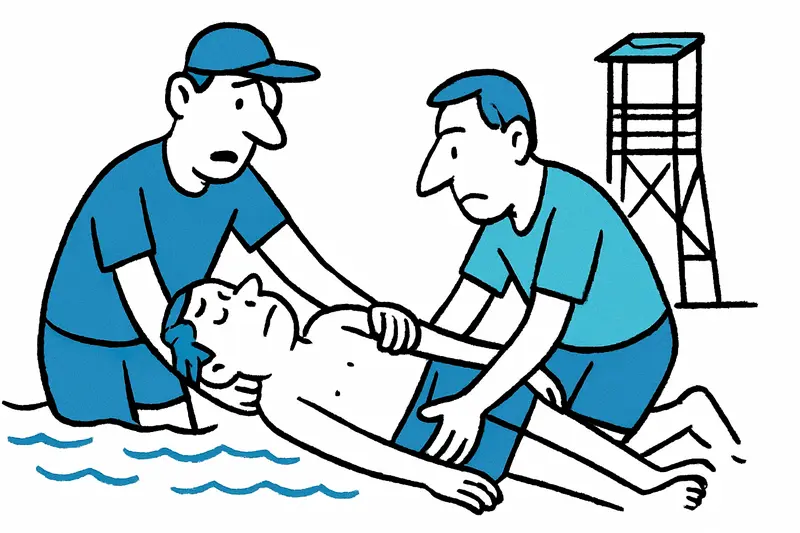
Magaluf: Watchtower Alarm – Lifeguards Pull Unconscious Beachgoer from the Water
After a drama in the late afternoon, two lifeguards at Magaluf beach rescued an unconscious 44-year-old man. He was stab...
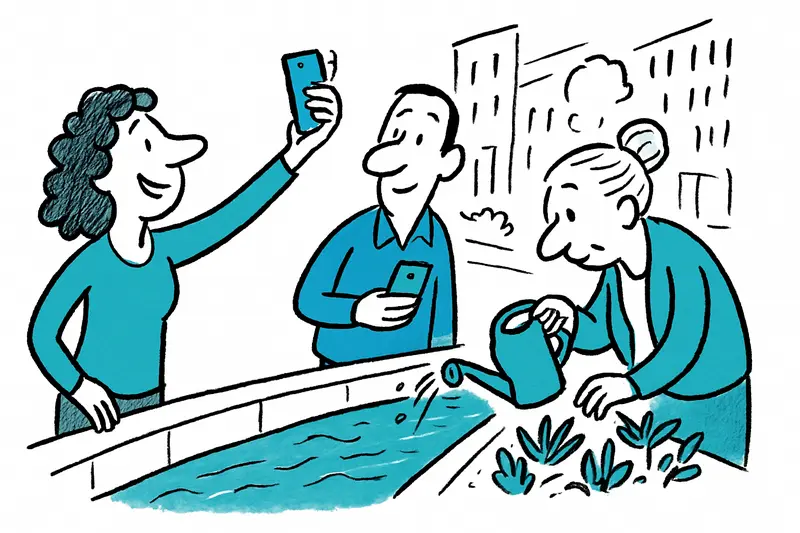
Turquoise in the City: How dangerous is the color play of the Sa Riera?
The Sa Riera in Palma suddenly turned turquoise — a pretty motif, but behind the effect lies a discharge of saline waste...

Jeckliner at Sunnesching: Cologne spirit sets sail from Palma
In September 2027 the Mein Schiff 2 briefly becomes a floating carnival stage: four days with Cologne bands, comedy and ...
Finally Home: Mike and Leyla Heiter Buy Villa with Sea View in Mallorca
The reality TV couple Mike and Leyla Heiter have bought a house in Mallorca with a roof terrace and sea view. An Instagr...
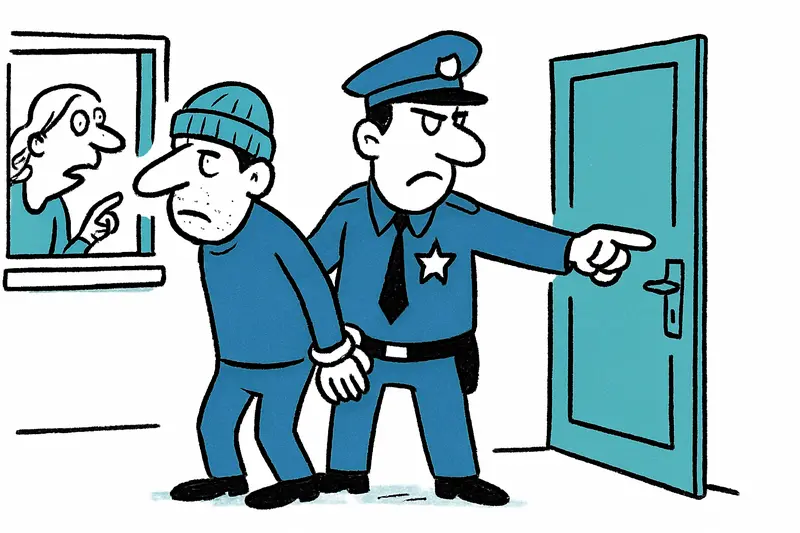
Arrest after series in Palma: Who protects apartments from repeat offenders?
The National Police arrested a man in Palma who investigators say may have broken into several apartments. In one incide...
More to explore
Discover more interesting content

Can Cap de Bou

Townhouse Lleo 72
