
Why won't the city protect those who protect us? Lifeguards in Palma at their limit
Why won't the city protect those who protect us? Lifeguards in Palma at their limit
Lifeguards in Palma report a series of thefts, break-ins and lacking infrastructure. They have written an urgent letter and are calling for a demonstration on May 30. What is missing — and what must the city do now?
Why won't the city protect those who protect us? Lifeguards in Palma at their limit
Guiding question: How long are lifeguards in Palma expected to work under conditions they describe as dangerous and disrespectful before the administration finally acts?
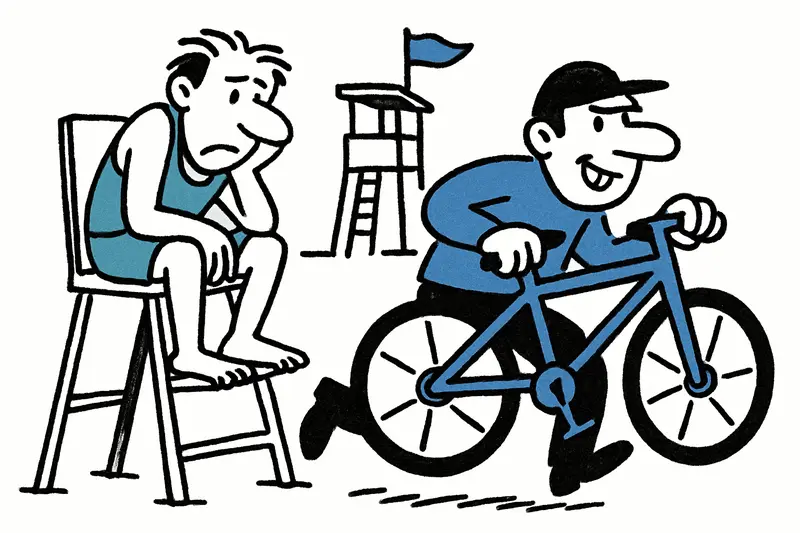
Early in the morning on the Passeig Marítim you hear brakes, conversations at café tables and the regular screaming of the seagulls. On the watchtowers, however, not only the water is in view but also the concern of the people on duty there. In recent weeks reports have accumulated about stolen service bicycles, broken-into vehicles and even the removal of a mobile phone from a lifeguard station in the El Arenal area. These are not small disputes on the beach: they are direct attacks on the operational capacity of the rescue service.
Critical analysis: Why current measures are not enough
The incidents reveal three problem areas: first, missing prevention; second, gaps in infrastructure; third, poor coordination between municipal services. A stolen bicycle means less mobility for the next shift; a broken-into car can compromise equipment and medication supplies; a stolen phone interrupts communication. According to staff, several coastal sections—from Cala Major and Playa de Palma to Cala Estancia and Ciudad Jardín—also lack adequate public services: toilets, first-aid stations and secure storage for work items.
The problem is not only criminal in nature. If there are no functioning first-aid stations at essential points, response times increase. If personnel equipment is reduced or not replaced, the burden on the remaining teams grows. And if political leaders offer only lip service while implementation is missing, the motivation of those who protect lives day after day declines. This has been made visible in protests, for example when lifeguards in Palma used wooden crosses to protest.
What is missing from the public discourse
There is a lot of talk about beach regulations and tourism, but too little about occupational safety for those on site. The debate often overlooks concrete logistics: secured storage for work phones, sturdy bicycle locks, regular early-morning checks and fixed contacts in the city administration for work-related incidents. Also rarely discussed is how personnel planning and replacement devices are organised when equipment is lost or vehicles are damaged. The same organisational failures have been a factor in announcements of an open-ended lifeguard strike.
Everyday scene from Palma
Imagine: A lifeguard walks along the beach, speaks to a young bather, gives safety advice. Nearby children laugh, a delivery van on Avinguda Gabriel Roca, tourists with sunshades. Five minutes later the colleague in the tower has neither their phone nor their bicycle—both gone. Shifts begin stressed, not focused on helping people in need.
Concrete solutions
- Short term: Secure, lockable boxes at every post for personal and work items; sturdy bicycle racks with cylinder locks; visible, time-adjusted police patrols during peak times; low-threshold reporting channels (hotline/WhatsApp) directly to the city coordination.
- Medium term: Reactivation and equipping of first-aid stations in Cala Estancia and Ciudad Jardín; clearly defined responsibilities for cleaning and sanitary provision at Playa de Palma; a stock of replacement devices and a quick exchange procedure.
- Long term: A municipal security concept for coastal zones with video surveillance at crime-prone points (lawful and transparent), personnel policies to secure holiday and sick-leave coverage, and the inclusion of local neighbourhoods and beach businesses in a prevention network.
Concise conclusion
The demands of the lifeguards are not special requests. They require basic working conditions: protection against theft, access to hygiene facilities and functioning medical infrastructure. The administration, namely the responsible council members, must take visible steps instead of issuing statements to the press. The announced demonstration on May 30 is a clear message, as when lifeguards staged a protest at Can Pere Antoni. And we all—residents, visitors and the city—have an interest in ensuring that the people on the towers can keep their eyes on the sea and not on the next loss.
Frequently asked questions
What is the weather usually like in Mallorca in spring?
Can you swim in Mallorca outside the main summer season?
What should I pack for a trip to Mallorca in the shoulder season?
Is Mallorca a good place to visit in October?
What is the weather like in Palma de Mallorca in early autumn?
Is the north of Mallorca colder than the south?
What is the best time of year for walking in Mallorca?
Do you need a jacket in Mallorca at night?
Similar News
Magaluf: Watchtower Alarm – Lifeguards Pull Unconscious Beachgoer from the Water
After a drama in the late afternoon, two lifeguards at Magaluf beach rescued an unconscious 44-year-old man. He was stab...
Turquoise in the City: How dangerous is the color play of the Sa Riera?
The Sa Riera in Palma suddenly turned turquoise — a pretty motif, but behind the effect lies a discharge of saline waste...

Jeckliner at Sunnesching: Cologne spirit sets sail from Palma
In September 2027 the Mein Schiff 2 briefly becomes a floating carnival stage: four days with Cologne bands, comedy and ...
Finally Home: Mike and Leyla Heiter Buy Villa with Sea View in Mallorca
The reality TV couple Mike and Leyla Heiter have bought a house in Mallorca with a roof terrace and sea view. An Instagr...

Arrest after series in Palma: Who protects apartments from repeat offenders?
The National Police arrested a man in Palma who investigators say may have broken into several apartments. In one incide...
More to explore
Discover more interesting content

Can Cap de Bou

Townhouse Lleo 72
