
Son Bonet: Mallorca's First Airport – Today a Training Center, Firefighting Base and Future Project
Son Bonet: Mallorca's First Airport – Today a Training Center, Firefighting Base and Future Project
Son Bonet near Marratxí was the island's first airport. It served as a military base, brought the first charter tourists in the 1950s and today is a center for flight schools, wildfire response and restoration projects. New investments and a planned aviation museum aim to give the airfield new life.
Son Bonet: Mallorca's small but historically significant airfield
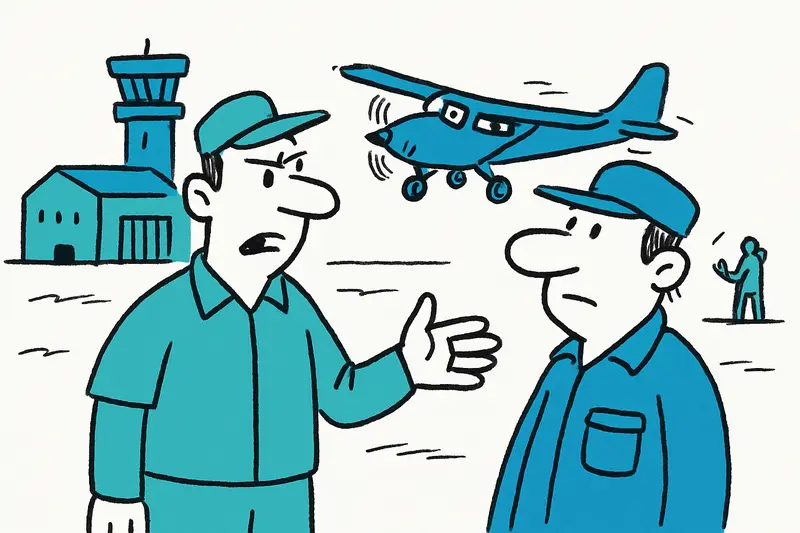
When you walk along the Camí de Son Bonet toward the hangars on a morning, the first sounds are the clatter of landing gear and the dull hum of a piston engine. A Cessna comes in to land, an instructor gives brief instructions, and neighbors pause on the access road to wave. This is how the airfield appears today: lively, rooted in the local community and yet far removed from the bustle of the larger airport at Son Sant Joan.
The airfield, opened in 1920 as the island's first airport, has a long history. In the late 1930s Son Bonet was used for military purposes before civilian air traffic and tourism increased in the following decades. In the 1950s and 1960s this airfield was the gateway for many visitors – often still in propeller aircraft with luggage brought to the terminal on simple carts. In 1960 Son Sant Joan took over as the main commercial airport; Son Bonet, however, was preserved and evolved. Recent large-scale works at Son Sant Joan are discussed in Son Sant Joan becomes a major construction site: How Palma is organising the winter at the airport.
Today: flight schools, firefighting and traditional craft projects
On the compact site of about 115 hectares, which you can imagine as roughly 114 football pitches, around a dozen private flight schools, helicopter schools and service companies are now based. In addition, it hosts the central base for wildfire response on Mallorca and the neighboring islands – a logistical backbone that is particularly important during hot summers.
One hangar is part of a surprising cultural project: under the name “Mestre d’Aixa” traditional Mallorcan boats are being restored there. It is a fine example of how aviation sites can provide space for other crafts and local identity.
Modernizations, safety and photovoltaics
In recent years funds have been spent on fire protection systems, new surveillance technology along the perimeter and adjustments to the emergency plan. These measures sit alongside public debate over installations at nearby military and airport sites, such as the Weapons Depot at the Airport: How Safe Is Mallorca Really?. Planned measures for the coming months range from renewals of water pipes to replacing the motors on access gates and upgrading firefighting equipment.
In the longer term, investments are planned over the next five years: the DORA-III plan foresees around €7.9 million for 2027–2031. These funds are intended to renew and expand apron areas, modernize access points and adapt operational offices. Preparations are also underway to possibly implement parts of ENAIRE's control infrastructure.
One particularly ambitious idea is a photovoltaic installation: as early as 2021 a project of 19.4 MW was mentioned. Projects like this take time – permits, environmental assessments and trade-offs require patience. If realized, Son Bonet could become a local example of how small airports can contribute to decarbonization with their own solar energy.
Between retrospective and aviation museum
In public perception Son Bonet is often an insider spot for hobby pilots and aviation enthusiasts. Yet the site tells important chapters of the island's history: from the first charter flights that brought German holidaymakers in the 1950s to its military use in the 1930s. The island's contemporary strategic discussions also touch on naval visits and storage proposals, as explored in Aircraft Carriers in the Bay: What Role Should Mallorca Play in the New Mediterranean Game?. An aviation museum is also planned to make this history visible; the necessary documents are ready, but a concrete opening date has not yet been set.
What this means for Mallorca
On the ground this means jobs in flight schools and service companies, a capable wildfire response base for the island, cultural use through boat restoration and the opportunity for sustainable energy. For Marratxí and neighboring districts an attractive visitor offering could emerge – for example open days, small exhibitions or educational partnerships with schools in Palma and the surrounding area.
A small everyday wish: regular guided visits on sunny Saturdays, where you hold a cup of café con leche before the sound of small engines and hear stories of past charter flights. Such formats connect technology with the neighborhood and make history tangible.
Outlook
Son Bonet remains a place of learning and preservation. With targeted modernizations, the possible photovoltaic installation and an aviation museum, the airfield could in future serve as a quiet, sustainable meeting point for technology, culture and safety. For Mallorca this would be more than nostalgia: a practical complement in terms of training, disaster preparedness and local engagement.
Frequently asked questions
What is Son Bonet in Mallorca used for today?
Why is Son Bonet important in Mallorca’s aviation history?
Can you visit Son Bonet in Mallorca?
How does Son Bonet help with wildfire response in Mallorca?
Is there a museum planned at Son Bonet in Mallorca?
What kind of flights are operated at Son Bonet in Mallorca?
What modernisation work is planned for Son Bonet in Mallorca?
Could Son Bonet in Mallorca produce its own solar power?
Similar News

Fewer Airlines, Fewer Destinations: What Palma's Winter Flight Schedule Means for Mallorca
Analysis shows: Winter at Son Sant Joan Airport will be quieter, with significantly fewer airlines and destinations. Who...
German tourist dies in Sa Calobra – a reality check for emergencies on Mallorca's beaches
A 40-year-old tourist died at the Torrent de Pareis. The emergency call, a doctor who happened to be present, a defibril...

Deadly Tractor Accident in Bunyola: What Needs to Be Done Now
In a work accident on an estate near Bunyola, a roughly 40-year-old man lost his life. His wife and a small child were o...
Head-first dive into the shallow part of Cala Fonoll: An accident and the unresolved question of responsibility
A young tourist dove into Cala Fonoll and was seriously injured. Key question: Why are clear warning signs missing at da...

Mistaken identity with fatal consequences: Brutal assault in S'Aranjassa — what's missing in the follow-up?
At S'Aranjassa a visitor to a finca was tied up, beaten and thrown out of a van. Three men have been arrested, including...
More to explore
Discover more interesting content

Can Cap de Bou

Townhouse Lleo 72
