

Son Servera takes a clear stance: e-scooters to be banned from the promenades — does it increase safety?
From November, e-scooters will be banned on the coastal promenades of Son Servera. The decision is intended to protect pedestrians — but does a ban really bring more safety or merely shift the problem elsewhere? A look at the risks, enforcement and possible alternatives.
Son Servera says: Stop on the promenade — but is that the right answer?
On the Passeig Marítim of Cala Millor you usually hear the sound of the sea in summer, the rattling of strollers and the occasional beep of an e-scooter. From November the municipality of Son Servera wants to ban that beep from the coastal promenades Son Servera takes a clear stance: e-scooters to be banned from the promenades. The locations Cala Millor, Cala Bona and Costa dels Pins are in focus — and with them the question: does a strict driving ban really make the coastal path safer?
The key question: Does the ban protect or just move the problem?
The administration justifies the step with frequent conflicts between pedestrians and scooters at peak times. The concern is understandable: narrow promenades, children, older people — an accident can happen quickly. But bans are only one side of the coin. Do they displace the risk to side paths, parking lots or narrow side streets where controls are rarer and the danger to pedestrians remains? Or do they actually create quiet zones where residents can stroll again without worry?
What the regulation can really do — and where its limits lie
The planned regulation provides for a general driving ban on all coastal promenades, supplemented by a mandatory liability insurance, a ban on using phones and headphones while riding, and a maximum speed of 25 km/h with lighting and reflector requirements at night. Sanctions range from about 100 euros for minor violations up to 1,000 euros for dangerous behaviour. Such measures echo national guidance like DGT guidance on personal mobility devices.
Problems exist on several levels: enforcement requires personnel — the local police do announce increased presence, but on hot summer days the promenades are longer than patrol times. For shared scooters the responsibility falls on the providers: they must mark restriction zones or use geofencing, as reported in Son Servera Draws a Line: E-Scooters Banned on the Coast. How consistently this is implemented will decide the success.
A perspective often missing: mobility and everyday life
A blanket ban overlooks traffic reality: e-scooters are a practical means of transport for some locals and workers for the last mile, especially in hot weather or when parking is scarce. For people with mobility impairments, small electric vehicles can be a help. A complete ban would need to offer exemptions or alternatives, otherwise a social conflict arises between residents' interests and users who depend on such vehicles.
Concrete opportunities and solutions
Instead of only banning, combined measures are worthwhile:
- Targeted geofencing: Rental providers should enforce restricted zones technically so that scooters automatically slow down at the promenade or cannot be activated there.
- Marked shared and bike lanes: Where space allows, narrow bicycle and scooter lanes could be designated — clearly separated from pure pedestrian areas.
- Parking zones and docking stations: Clear parking areas prevent abandoned scooters that obstruct pedestrians.
- Information campaigns: Locals and visitors need visible signs and concise rules from rental companies — education often works better than fines alone.
- Pilot phases and data sharing: Short-term bans accompanied by data collection show whether the accident risk actually decreases. Successful models could then serve as examples for other municipalities.
What is happening locally now — and what people say
Last week on the promenade: two older ladies who welcome the decision because they want to sit again without worry; a father calling his son off his scooter — small scenes that show the mixed situation. Rental companies are now informing their customers more clearly about no-go zones, as reported in Son Servera marca un límite: patinetes eléctricos prohibidos en la costa, others are considering adjusting their business models. And the police? They plan to be present on weekends, but in the long run technology and cooperation are needed so that rules are not only on paper.
Looking ahead
A ban can bring short-term calm to the promenade. In the long term, however, Son Servera should see the issue as an opportunity to organize mobility and public space sensibly: clear rules, technical solutions, infrastructure and socially balanced exemptions. Then the silent promenade will not become a parking lot for conflicts — but a model that can inspire other municipalities.
For the moment: Alice, an ice cream seller on the Passeig, continues to take slow steps, the seagulls cry, the sea glitters — and the scooters must, at least along the coast, take a break.
Frequently asked questions
Are e-scooters banned on the promenades in Son Servera?
Why is Son Servera banning e-scooters from the promenade?
Will the e-scooter ban in Mallorca just move the problem to side streets?
What rules apply to e-scooters in Son Servera apart from the ban?
Will the e-scooter ban affect Cala Millor promenade?
Does the e-scooter ban also apply to Cala Bona and Costa dels Pins?
What can e-scooter users do in Mallorca if promenades are off-limits?
Is a promenade ban the best way to improve safety in Mallorca?
Similar News

Cafetería San Siro: A Meeting Place on Schinken Street Since 1966
In the middle of Schinken Street, Cafetería San Siro has been offering Mallorcan hospitality for more than six decades —...

From Ballermann to Prison: What the Verdict Against the Femina Operator Means for Palma
The Munich Regional Court convicted a German operator for subsidy fraud. What does the verdict mean for the Femina Club,...
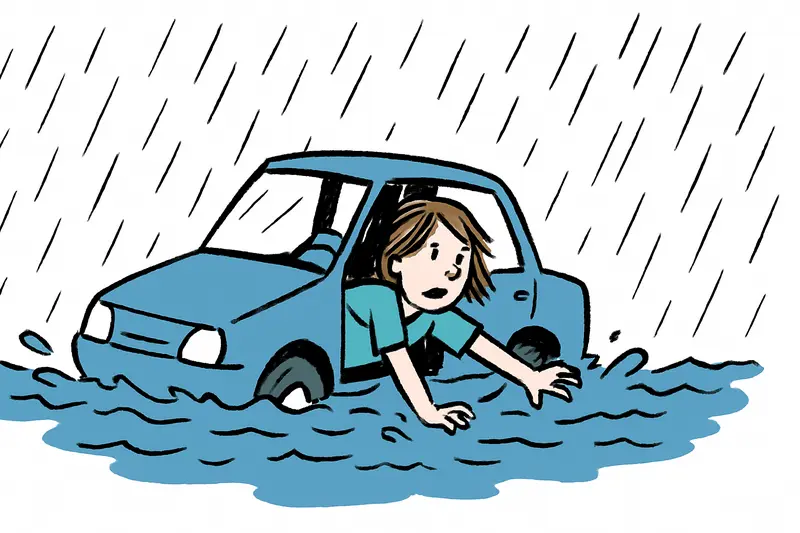
Underpass Verge de Lluc: 19-year-old fights her way out of flooded car – a warning sign for Palma
A 19-year-old recently escaped swimming from her car after the Verge de Lluc underpass held up to one and a half meters ...

When the Floodgates Open Again: Why Palma's Floods Aren't a Coincidence
A sudden heavy downpour around 5 p.m. brought Palma to a standstill: flooded streets, full basements, panicked commuters...
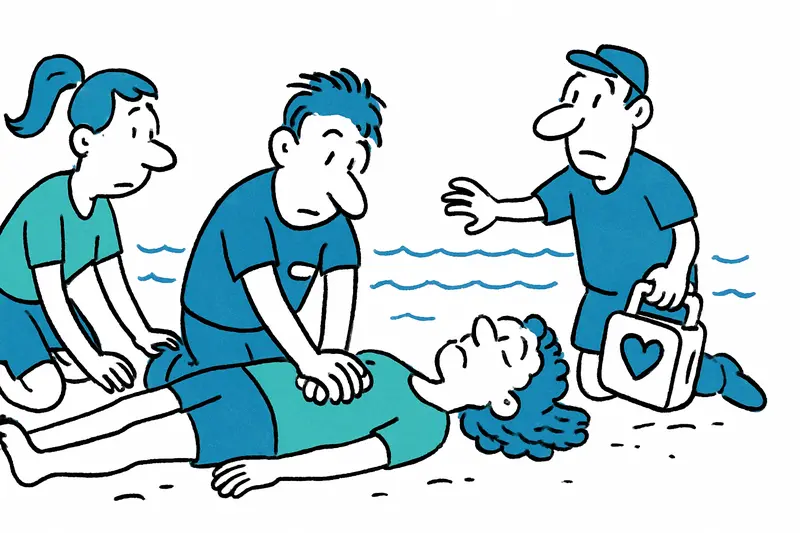
Playa de Palma: Life-saving at Balneario 11 – Lifeguards Act Quickly
A German holidaymaker suffered cardiac arrest at Playa de Palma. Lifeguards resuscitated her on the beach; emergency ser...
More to explore
Discover more interesting content

Can Cap de Bou

Townhouse Lleo 72
