
High-speed drive on the Ma-13: What must happen to make 180 km/h rarer on Mallorca
High-speed drive on the Ma-13: What must happen to make 180 km/h rarer on Mallorca
On the Ma-13 near Sa Pobla a 21-year-old driver was caught speeding at over 180 km/h. Why such cases recur and which measures really work.
High-speed drive on the Ma-13: What must happen to make 180 km/h rarer on Mallorca
Key question
How can the island prevent stretches like the section at kilometre 39.4 between Sa Pobla and Alcúdia from continuing to become a hazard for all road users?
Last week a measurement device on the Ma-13 recorded an extreme case: a sports car passed the measuring point at kilometre 39.4 heading toward Alcúdia at more than 180 kilometres per hour. The speed limit on this section is 80 km/h. The Guardia Civil documented the offence and opened an investigation. The driver is 21 years old; in addition to a heavy fine she now faces possible criminal consequences under Article 379.1 of the Spanish Penal Code.
This is not just a legal case. Everyday life and danger collide here: tractors on the opposite lane early in the morning, market visitors walking from the Sa Pobla car park to the small plaça, and motorcyclists testing the island's curves. The Ma-13 is not a motorway in the classic sense: one lane per direction, few overtaking opportunities, spots with poor visibility. At precisely these points the 80 km/h limit is not optional but a protective measure.
Critical analysis
The recorded value — more than twice the allowed speed — is not a slip but a symptom. On Mallorca, especially on connecting arteries like the Ma-13, tourist bustle, commuter traffic and agricultural traffic meet. The speed-measuring technology works: radar devices report exceedances. Similar Ma-13 cases have already been reported, such as 175 km/h on the Ma-13: Speeding as a Criminal Offense — What the Case Really Shows. But the mere existence of measuring points is not enough. Many speeders simply shift the risk to other roads or times, and this is reflected elsewhere, for example in a case of a motorcyclist in Marratxí caught at over 200 km/h. It also remains unclear how quickly recorded data leads to effective measures: fines, license suspension, vehicle immobilisation — or prevention?
Legally, extreme exceedances bring the criminal offence under Article 379.1 into play. The law foresees possible prison terms between three and six months, fines, and license withdrawal from one to four years for massive speed violations. These instruments exist, but they usually only come into effect after people have been harmed or repeated offences have occurred.
What is missing from the public debate
The debate often gets stuck on individual cases: outrage, headlines, then silence. What is rarely discussed is the everyday perspective of residents. People in Sa Pobla, Inca or Muro hear the engines, see the gaps in the road system and learn every day how close encounters can be. Concrete figures on repeat offences are also lacking: how many of these drivers already have prior convictions? Are vehicles being taken off the road promptly? And finally: what role does vehicle technology play when modern sports cars electronically enable high speeds that are hardly controllable in reality?
Everyday scene on Mallorca
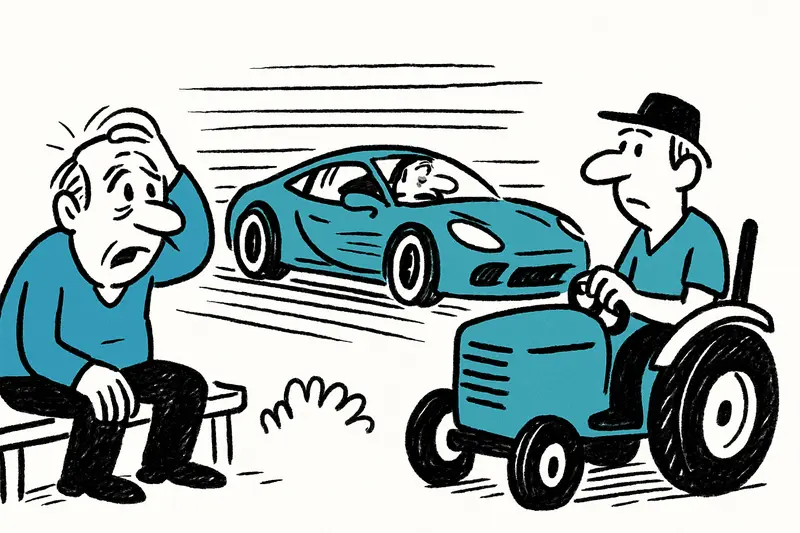
Imagine this: it is a cool December morning, the market sellers of Sa Pobla are arranging their fruit crates, the smell of freshly baked pa amb oli hangs in the air. Suddenly a long howl — a sports car pulls hard on the Ma-13, far above the permitted speed. The bystanders' gazes freeze, a dog barks, and an old man on the bench rubs his forehead. This short sequence repeats itself too often — and the residents pay the price in insecurity.
Concrete solutions
1. Strengthened combination of technology and presence: mobile and fixed measuring devices alone are insufficient. Visible but also unpredictably deployed controls are important, coupled with rapid case processing.
2. Immediate measures for extreme violations: in addition to fines, automatic measures should be considered — for example temporary vehicle immobilisation, significantly faster administrative procedures for license withdrawal and blocks for repeated serious offences.
3. Infrastructure: more protective strips, clear road markings, physical separations at particularly narrow points and supplementary speed limits with variable displays that automatically reduce speeds in poor visibility or high traffic density.
4. Local public outreach: regional campaigns that do not just stir fear but concretely explain why 80 km/h at this spot saves lives — using local examples and involving schools, market initiatives and neighbourhood associations.
5. Data-driven strategy: analysis of all measurement data to identify hotspots, and transparent publication of these analyses for municipalities and authorities.
Conclusion
The case at kilometre 39.4 is more than a data point. It shows how vulnerability and speed come together. Legal sanctions are important, but without a combination of prevention, faster administrative practice and local involvement the danger remains. On Mallorca, where narrow roads and lively villages meet, what is needed is not simple scaremongering but a sober, consistent strategy — so that market visitors, commuters and sports car drivers can share the island in peace and safety.
Frequently asked questions
Why is speeding on the Ma-13 in Mallorca such a serious safety issue?
What happens if you are caught driving far above the speed limit in Mallorca?
Is 180 km/h on the Ma-13 in Mallorca a criminal offence?
Why do speed cameras on Mallorca not always solve the problem?
What road safety measures could reduce dangerous speeding on the Ma-13?
Why are the Ma-13 sections near Sa Pobla and Alcúdia especially sensitive to speeding?
How can Mallorca protect residents from dangerous driving on main roads?
What should drivers know about the speed limit on this part of the Ma-13?
Similar News
By Boat Instead of the Road: Palma's Water Bus — a Reality Check
The 'Bus Nàutic' launches in two stages — but questions remain over interim operations, fares and environmental requirem...
Several Days of Rain Approaching: How Well Is Mallorca Prepared?
Aemet says: rain from Thursday until at least Tuesday, especially heavy on Monday. Temperatures remain mild. A reality c...

Nervous Reaction at a Traffic Stop: Why Campos Is Not Just a Sniffer-Dog Problem
At a traffic stop in Campos a 37-year-old German was arrested with a bag full of drugs. Our reality check explains why s...

Cameras Against Illegal Dumping: Porto Cristo Monitors Problem Areas – a Reality Check
Manacor has installed four surveillance cameras at particularly problematic waste spots in Porto Cristo. A local check a...
Reality check: Palma's "white" torrent — harmless salt or neglected warning sign?
White crusts on the Torrent de Sa Riera are causing a stir. Emaya describes them as salt deposits. Our reality check: wh...
More to explore
Discover more interesting content

Can Cap de Bou

Townhouse Lleo 72
