
When Tenants Disappear: How a Pensioner in Mallorca Lost His Apartment and Peace
When Tenants Disappear: How a Pensioner in Mallorca Lost His Apartment and Peace
An elderly owner loses his seaside apartment due to missed payments and lengthy legal proceedings and must move into a care home. What goes wrong — and what helps?
When Tenants Disappear: How a Pensioner in Mallorca Lost His Apartment and Peace
Key question: How can private landlords protect themselves when tenants suddenly stop paying and the courts and police react only slowly?
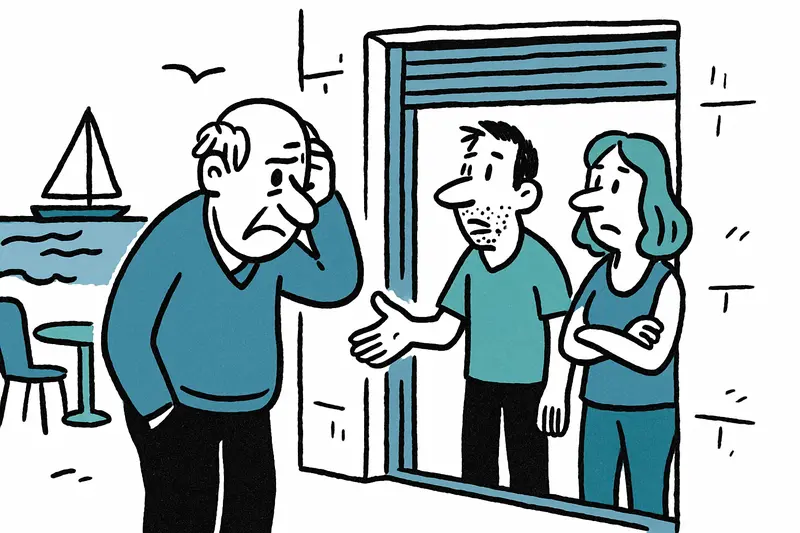
A retiree who bought an apartment on the coast in 2024 to put his savings into a supposedly safe investment is currently watching that investment turn into a nightmare. He rented the apartment on a fixed-term basis for €900 a month. The first tenant reportedly stopped paying shortly after moving in and disappeared without a trace; the owner found the apartment unlocked and empty. Later, the same accommodation was again offered to third parties, a couple moved in and also did not pay, mirroring cases of When Long-Term Tenants Turn into Holiday Landlords: The Inquilinos Pirata in Mallorca. In the end, lengthy complaints, lawyer fees and a settlement payment of €10,000 took a toll on the man's savings. According to his own statements, he lost about a year and a half of expected rental income; at the same time he had to declare income for tax purposes that never materialized. Today he lives in a care home because he effectively has no access to the apartment.
The story does not take place far from the island's everyday life, but along the promenades where joggers, delivery vans and seagulls greet the morning. It is a typical Mallorca scene: sea view, shutters, snippets of conversation between neighbors — and in between an owner who feels helpless. Such everyday scenes show how close the problem is to our neighborhoods.
Critical analysis: This is not just a case of bad luck. The combination of slow civil proceedings, challenging evidence requirements and the fact that an apartment can physically continue to be occupied leads landlords often into a downward spiral of losses. Police and public prosecutors can be limited in their ability to act when it comes to furnishings and civil rental disputes; eviction usually proceeds through a separate court process that takes time and money, and this trend is covered in Living in Crisis: Why Tenants Are Now Paying the Price on the Balearic Islands. At the same time, there are mechanisms that unintentionally produce perverse effects: such cases make small, private landlords particularly vulnerable.
What is missing from public debate: Two levels are rarely discussed. First, the reality of small landlords — retirees, pensioners, individuals — who rely on regular rental income without large reserves, a reality highlighted in When Rent Becomes a Farewell Letter: How Rising Housing Costs Are Driving Pensioners off Mallorca. Their risks are often hidden behind broader economic narratives in political debates. Second, the question of practical enforcement: there is a lack of concrete proposals on how to speed up procedures, enforce compensation claims more efficiently or create preventive hurdles without disproportionately restricting access to housing.
Concrete approaches: In the short term, owners can take some precautions: thorough credit checks, setting security deposits, detailed handover protocols with photos and lock clauses in the contract that allow swift direct measures in case of payment default. It is advisable to take out legal expenses insurance that covers rental disputes and to use professional property managers who have experience with enforcement processes.
At a structural level, improvements would be needed: accelerated eviction procedures for clear cases of abuse, better information exchange between registration authorities and landlords, a central register of proven fraudulent tenants and advisory centers for older landlords that combine financial and legal assistance. Tax rules should also be reviewed: it cannot be that owners must declare income on paper that they never actually received without practical correction mechanisms.
Practically helpful in everyday life is local networking: building communities, neighborhood WhatsApp groups and municipal contact points close to administration can detect problems early, exchange information and intervene more quickly if necessary. A neighbor who notices unusual disturbances or frequent changes of occupants is often the first alarm — and that is as important in Mallorca as anywhere else, with incidents occasionally escalating as in Molinar in Turmoil: When a Rent Dispute Turns Violent — What Does This Say About Mallorca's Housing Shortage?.
What could be changed immediately: tighten court deadlines for evictions in clear abuse cases, introduce formal rapid checks in obvious sham rental situations and require municipalities to make it easier to inform affected parties. It should also be examined whether the possibility of a state-supported interim financing exists so that elderly owners do not immediately fall into existential hardship while proceedings are ongoing.
Conclusion: This case is a wake-up call. It's not just about a single apartment by the sea, but about a system that leaves small owners out in the rain for too long. Those who walk along the Paseo Marítimo in the morning hear the sea — and sometimes the quiet complaints of those who depend on rent. It is time to demand preventive protection measures, faster enforcement routes and better support for affected pensioners. Otherwise, what began as private provision for many island residents could turn into a social and financial disaster.
Frequently asked questions
What is the best time of year to visit Mallorca for warm weather?
Can you swim in Mallorca outside the summer months?
What should I pack for a trip to Mallorca?
Is Mallorca good for a beach holiday in spring?
What is Palma de Mallorca like for a short city break?
Is Port d'Andratx worth visiting in Mallorca?
What is Sóller known for in Mallorca?
Do you need a car to explore Mallorca properly?
Similar News

Magaluf: Watchtower Alarm – Lifeguards Pull Unconscious Beachgoer from the Water
After a drama in the late afternoon, two lifeguards at Magaluf beach rescued an unconscious 44-year-old man. He was stab...

Turquoise in the City: How dangerous is the color play of the Sa Riera?
The Sa Riera in Palma suddenly turned turquoise — a pretty motif, but behind the effect lies a discharge of saline waste...

Jeckliner at Sunnesching: Cologne spirit sets sail from Palma
In September 2027 the Mein Schiff 2 briefly becomes a floating carnival stage: four days with Cologne bands, comedy and ...
Finally Home: Mike and Leyla Heiter Buy Villa with Sea View in Mallorca
The reality TV couple Mike and Leyla Heiter have bought a house in Mallorca with a roof terrace and sea view. An Instagr...

Arrest after series in Palma: Who protects apartments from repeat offenders?
The National Police arrested a man in Palma who investigators say may have broken into several apartments. In one incide...
More to explore
Discover more interesting content

Can Cap de Bou

Townhouse Lleo 72
