
Why the new plan for the Torrent de ses Planes needs more than concrete
Why the new plan for the Torrent de ses Planes needs more than concrete
Eight years after the catastrophe, renovation work begins at the Torrent de ses Planes. The numbers sound impressive, but the central question remains: Are construction measures alone enough to prevent a repetition of the 2018 tragedy?
Why the new plan for the Torrent de ses Planes needs more than concrete
Guiding question: Are larger culverts and natural stone walls enough to protect Sant Llorenç from extreme rain floods?
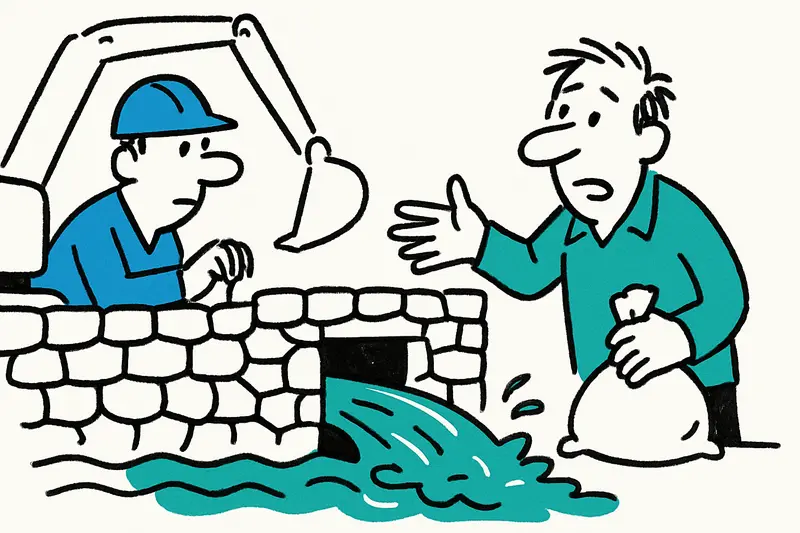
In Sant Llorenç des Cardassar the site is a construction zone again. Orange barriers line the bypass road, excavators are at work, and in the cafés on the town's edge people discuss over a cortado whether the planned works will finally deliver what they promise. The images from 2018 are eight years old now: flooded streets, cars like boats and 13 dead. The authorities are now talking about a renovation costing around nine million euros, intended to make the torrent significantly more able to handle runoff.
The planned interventions are specific: the number of culverts under the road will increase from four to ten, capacity should rise from around 105 tonnes per second to up to 500 tonnes, and the banks will be secured with natural stone walls in a traditional style. Those are the facts – but what follows when you look closely?
First critical observation: numbers alone are deceptive. A figure like "500 tonnes per second" sounds reassuring but needs context. What return periods and runoff models underlie this sizing? In Sant Llorenç they refer to calculations that take precipitation of the past 500 years into account. That is commendable, but the climate dynamics of recent decades have altered the frequency and intensity of torrential rains. Without regular model updates and an open publication of assumptions, it remains unclear whether the structure will withstand future extremes.
Second: the deaths of 13 people in 2018 had multiple causes, not just a bottleneck under a road. Sediment, debris and waste can clog culverts; access routes become barriers when road edges are used as dumping sites. A wider cross-section helps as long as it does not become inoperative due to washed-up material. Who plans the cleaning? Who is liable if leaves and trash block the new pipes? These questions barely appear in the official statement.
Third: technology is expensive, but maintenance costs a lifetime. Many infrastructure projects end with the completion entry in the handover documents – the care afterwards is often missing. A fixed cost estimate of nine million euros for the construction phase is important, but a clear budget item for annual inspections, debris traps, sediment management and short-term repairs is at least as necessary. Only then will the culverts remain open, the stone walls stable and the access routes passable. Similar questions about long-term funding appear in coverage of other island works, like the Tramuntana road repairs.
Fourth: the social dimension. The memory of the flood runs deep in Sant Llorenç. Mayor Jaume Soler and the island council leadership have emphasized how significant the project is. That is not enough to create trust. Those sitting in the plaça watching the excavators want to know: How will evacuations be organized in future? Are there alarm chains, emergency shelters, clearly marked escape routes and improved crossings such as the S'Illot Passage bridge renovation? Do elderly people who were rescued then have insight into the plans? Participation creates acceptance; a lack of transparency breeds mistrust.
What is missing from the public debate
There is no open maintenance plan, no clear division of responsibilities between the municipality, the island council and the water authority, and no reliable guarantees for the coming decades. Also seldom mentioned: measures upstream. Vegetation, farmland and construction activities in catchment areas influence how much debris and how much water is carried into the rambla. Coordinated sediment management and retention basins would make sense here, ideally connected with urban greening proposals such as the plans for Portixol.
An everyday view: when you step out of the car at the entrance to Sant Llorenç you hear the church bell, see the terracotta tones of the houses and sense a hint of pine resin in the air. Today these peaceful details yield to the droning of construction machinery. Workers set up protective walls, residents carry buckets of sandbags to critical spots. This is what safety looks like in practice – improvised, hands-on, communal. Such scenes should be more than anecdote: they must be integrated into official emergency plans.
Concrete proposals that go beyond concrete
- Regular inspection cycles: annual inspections of the culverts before the rainy season, documented and publicly accessible. - Debris traps and screens at inlets: robust forebays that retain coarse trash and rubble, combined with easily accessible cleaning points. - Upstream retention and detention areas: temporary basins that catch peak flows instead of channeling everything into a narrow channel. - Early warning systems and sensors: level probes with radio connection that automatically trigger alarms during rapid rises. - Citizen involvement in evacuation plans: community drills, information evenings in the plaça, special attention to people with mobility limitations. - Long-term funding: budget lines for operation and maintenance, not only for construction.
Short-term measures during construction are also necessary: provisional barriers, clear detour signage, guaranteed access for emergency vehicles and temporary monitoring that tracks rain events live during the works.
Conclusion: a technical upgrade is indispensable but not sufficient. The renovation of the Torrent de ses Planes can prevent harm – if it is part of a broader strategy: planned transparently, funded permanently and networked with the local community. Otherwise a lot of concrete will remain – and the memory of 2018.
Frequently asked questions
Why is the Torrent de ses Planes renovation in Sant Llorenç des Cardassar not just about building more concrete?
How well can Mallorca prepare for flash floods like the one in Sant Llorenç des Cardassar?
What should residents in Sant Llorenç des Cardassar know about flood safety during heavy rain?
What kind of maintenance do Mallorca torrents need after flood protection works?
Is a bigger culvert enough to stop flooding in Sant Llorenç des Cardassar?
Why do flood projects in Mallorca also need upstream retention areas?
What makes extreme rain in Mallorca so dangerous for towns like Sant Llorenç?
What should be included in a flood emergency plan for Sant Llorenç des Cardassar?
Similar News
Magaluf: Watchtower Alarm – Lifeguards Pull Unconscious Beachgoer from the Water
After a drama in the late afternoon, two lifeguards at Magaluf beach rescued an unconscious 44-year-old man. He was stab...

Turquoise in the City: How dangerous is the color play of the Sa Riera?
The Sa Riera in Palma suddenly turned turquoise — a pretty motif, but behind the effect lies a discharge of saline waste...

Jeckliner at Sunnesching: Cologne spirit sets sail from Palma
In September 2027 the Mein Schiff 2 briefly becomes a floating carnival stage: four days with Cologne bands, comedy and ...
Finally Home: Mike and Leyla Heiter Buy Villa with Sea View in Mallorca
The reality TV couple Mike and Leyla Heiter have bought a house in Mallorca with a roof terrace and sea view. An Instagr...

Arrest after series in Palma: Who protects apartments from repeat offenders?
The National Police arrested a man in Palma who investigators say may have broken into several apartments. In one incide...
More to explore
Discover more interesting content

Can Cap de Bou

Townhouse Lleo 72
