
When 'staying with friends' becomes a cover: What the numbers reveal about illegal overnight stays in Mallorca
When 'staying with friends' becomes a cover: What the numbers reveal about illegal overnight stays in Mallorca
The statistics for January–November 2025 show: 3.3 million guests named 'friends/relatives' as their place to sleep. What's behind this — an innocent cost-saving tactic or disguised illegal rentals? A look at consequences, gaps and concrete solutions for Palma and the islands.
When 'staying with friends' becomes a cover: what the numbers reveal about illegal overnight stays in Mallorca
Guiding question: How big is the problem really — and what can be done locally about it?
The raw numbers are clear: from January to November 2025, 3.3 million visitors to the Balearic Islands stated they stayed with friends or relatives. The category "non-market overnight stays" thus grew by about 10.4 percent compared with the previous year. At the same time, the market-standard supply stagnated: hotels and regular accommodations recorded only 0.12 percent growth, while legal holiday apartments increased by around 14.7 percent to a total of 1.8 million guests.
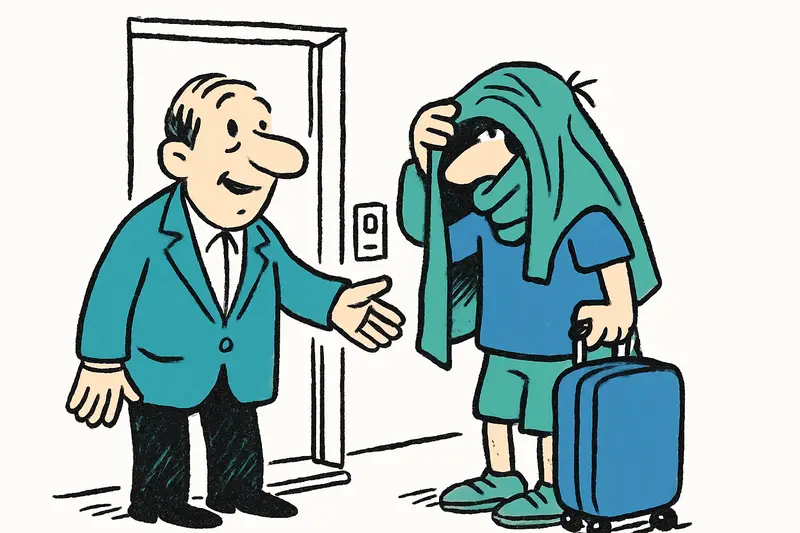
What these figures mean in everyday life can be seen when you stroll along the Passeig Mallorca in the morning: vans dropping suitcases at building doors, repeated doorbell rings in apartment blocks, neighbours whispering about snippets of foreign languages in the stairwell. Such scenes are now normal in many parts of the island — and they explain why authorities and regulated providers are alarmed: a not insignificant share of those who say they stayed 'with friends' are probably actually staying in unlicensed holiday apartments or in residential buildings withdrawn from the market, as reported in Illegal Subletting in Mallorca: When Long-Term Tenants Become 'Inquilinos Pirata'.
Critical analysis: The statistics suggest that two effects run in parallel. First, some holidaymakers deliberately move into private, informally organised accommodation — to save money or to seek a more authentic experience. Second, owners are incentivised to rent out their flats short-term to tourists without meeting legal requirements, taxes and safety standards. Both are recorded under the same statistical entry 'with friends/relatives' and are therefore hard to distinguish; this pattern is documented in When Long-Term Tenants Turn into Holiday Landlords: The Inquilinos Pirata in Mallorca.
Why this is problematic: illegal short-term rentals remove supply from the regulated market, drive up prices in popular areas and change neighbourhoods. They strain infrastructure and services such as fire brigade, police and waste management without adequate compensation to municipalities. There are also safety risks: insurance coverage, fire safety checks or hygiene standards are often lacking in illegal rentals.
What is often missing in public debate: sober, locally disaggregated controls and transparency. Public discussions talk a lot about 'too many tourists' or 'illegal apartments', but rarely about detection techniques, cooperation between registration offices, measurement of energy consumption, platform liability and the role of arrival and departure data. Also little discussed is the motivation of individual tourists — is it deliberate illegal staying, a family invitation, or simply a false statement on arrival? Enforcement failures and possible improvements are explored in Illegal Holiday Listings in Mallorca: Why Enforcement Fails and How It Could Work Better.
Concrete solutions (practical and locally implementable): 1) Pilot projects in neighbourhoods under high pressure: Palma could start in districts like La Llotja and the area around the Mercat de l'Olivar to check apartment usage, waste volumes and water consumption on a data basis. 2) Mandatory registration number for every short-term rental on platforms and in arrival declarations; listings without a number must be automatically flagged and sanctioned. 3) Cross-sector inspections by combined teams from the municipality, energy supplier and rental oversight — not continuous surveillance, but random checks. 4) Low-threshold complaint and reporting procedures for neighbours with quick feedback to complainants. 5) Information campaigns in departure and arrival halls: brief information for tourists on how to recognise legal accommodation and why it matters.
At the level of hosts, clearer incentives help: reduced waste disposal fees for registered providers, binding minimum standards (fire safety, proof of insurance) and a central, publicly accessible list of legally registered hosts. Platforms must be held more accountable: a simple instrument would be financial liability when unregistered listings are brokered through them.
Everyday observation: a retiree on the Plaça Major says how different people have been living in her block for two years now — 'a new family seems to come every week.' Such voices show: it's not just about numbers, but about quality of life. Those who respond gain support in the neighbourhood; those who ignore it risk displacement and local anger.
Punchy conclusion: The statistics are not proof that Mallorca has become less popular. They are a wake-up call: the more overnight stays are formally withdrawn from the market, the harder it becomes to manage tourism impacts and housing supply. The solution is not only bans, but clear rules, data-driven approaches and practical incentives for legal renting. For Palma and the municipalities that means: start pilot projects, take neighbours seriously, hold platforms accountable — and show visitors how to stay properly.
If you think this will be complicated and expensive, I recommend a walk in the early evening through Santa Catalina: you hear different languages, see houses with 'alquilado' signs next to families who have lived there for years. The island manages the juggling act between tourism and everyday life best when it is transparent, pragmatic and local — not under the cover of 'friends'.
Frequently asked questions
Why do so many visitors in Mallorca say they are staying with friends or relatives?
How serious is the problem of illegal holiday rentals in Mallorca?
What problems do illegal overnight stays cause for local residents in Mallorca?
What can Mallorca authorities do to detect illegal tourist accommodation more effectively?
Is staying in a private apartment in Palma always legal?
What signs might suggest an apartment in Mallorca is being rented illegally to tourists?
Why is Santa Catalina often mentioned in discussions about tourism pressure in Palma?
What are the most practical ways Mallorca could reduce illegal short-term rentals?
Similar News

Near-miss on Lanzarote: Landing Ryanair Jet and Iberia Takeoff — what really went wrong
On Lanzarote there was a dangerous incident: A Ryanair flight (FR5910) from Dublin landed on runway 03 while an Iberia E...

Eurowings introduces new Premium Business seats on Mallorca routes
From December 1, selected Eurowings flights to Palma and other destinations will feature eight particularly generous sea...
Car on MA-13 near Inca in flames – a safety check for the island
A vehicle caught fire on the MA-13 towards Alcúdia on Tuesday afternoon. The driver was uninjured, the car was destroyed...

Real Estate in Mallorca: Fewer Buyers, Higher Prices — What's Behind It?
Sales on Mallorca are falling, yet prices continue to climb. Why fewer transactions do not equal relief — and what shoul...
Just Bought — Already Trouble: Water Damage in the Heiters' Villa and What Owners in Mallorca Should Know Now
A newly purchased sea-view property — and within days a water damage. What risks lurk in new properties in Mallorca, and...
More to explore
Discover more interesting content

Can Cap de Bou

Townhouse Lleo 72
