
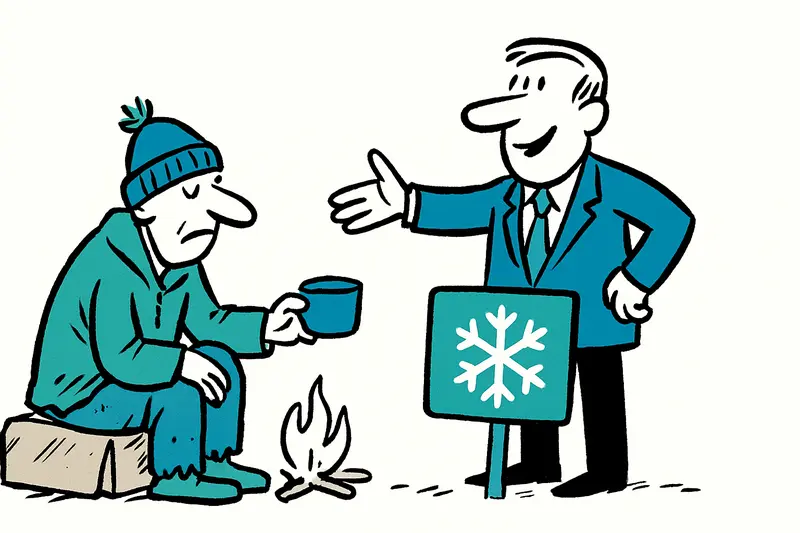
Palma secures cold-weather aid — but the underlying problem runs deeper
Palma secures cold-weather aid — but the underlying problem runs deeper
The city of Palma offers support for people without stable housing during freezing nights, yet many stay away. Why aren't the measures reaching everyone? A reality check with everyday scenes, missing debate points and concrete proposals.
Palma secures cold-weather aid — but the underlying problem runs deeper
Why do many homeless people not go to municipal emergency shelters even though help is offered?
The city of Palma has pledged support for people without stable housing for the upcoming frost nights: social services maintain contact, the island council is involved, and anyone who wants to be housed can, if necessary, be taken into hostels — apparently even when there are officially no free beds left. On paper this sounds like preparedness. On the street the situation looks different.
Key question: What needs to happen so that aid offers are not only available but also accepted? This is not a rhetorical question, but a practical challenge this week as the Tramuntana wind drives temperatures even lower.
Critical analysis: There are three tipping points between supply and demand. First: trust. People who have been sleeping for months or years on Plaça Major or around Paseo Marítimo have reasons to avoid municipal facilities — fear of rules, loss of personal belongings, or bad experiences with bureaucratic procedures. Second: accessibility. A tent, a sleeping bag and the next bus are often closer than an administrative office that requires an ID or proof. Third: diversity of needs. Not everyone living on the street wants a communal shelter; some need medical or psychological care, others simply a secure place for their possessions.
What is often missing from the public discourse: The discussion about short-term quarters overshadows the question of long-term solutions. There is little talk about prevention — for example how vacant housing, social housing or affordable long-term rental contracts could be integrated. It is equally rare to hear how to regain trust: peer workers, people with lived experience, are often absent from debates even though they are approachable for those who avoid municipal teams.
Everyday scene from Palma: It is early morning on the Passeig Marítim. The first line of buses rolls by, delivery vans park at Es Molinar, a coffee machine pours warm scent into the cool air. Two men wrap a blanket more tightly around their shoulders, speaking softly about the weather forecast. A social worker pedals past on a bicycle, nods, stops — a brief look, an offer, a slip of paper with a phone number. Such encounters often decide more than an official hotline.
Concrete approaches that could have immediate effect: mobile cold-weather vans distributing clothing and hot drinks with a low threshold; fixed pickup times by outreach teams at known sleeping spots; agreed quotas in hostels with clear rules for storing personal items; peer workers acting as intermediaries; a small fund model for night transports. Important: instead of only counting "places," the city should create clear procedures so people know what will happen if they accept help — and can build trust in the system.
In the medium term Palma needs a combined strategy: low-threshold winter accommodation plus binding projects for affordable housing and accompanying health and addiction services. A testable idea would be a Housing First pilot at island level: instead of temporary emergency shelters, offer apartments directly with social support. It costs, but it reduces repeated nights on the street.
Punchy conclusion: It is not enough to say "We help" on nights without frost. Good help is measured by whether people accept it. If an offer is perceived as unreliable, degrading or impersonal, protective measures remain ineffective. Palma now has the chance to link short-term cold management with bold, practically implementable steps — and thus not only save nights, but create prospects.
Frequently asked questions
Why do some homeless people in Palma avoid emergency shelters in winter?
What does cold-weather help for homeless people in Mallorca usually include?
How cold does it get in Mallorca during frost nights?
What should I pack for winter in Mallorca if I spend time outdoors?
Where do homeless people often sleep in Palma?
What support is available for homeless people around the Paseo Marítimo in Palma?
Could Housing First work in Mallorca?
Why is trust such a big issue in homelessness support in Palma?
Similar News
Injured captain, big plans: Germania Mallorca before the away match in Consell
The newly founded FC Germania Mallorca travels to Consell on Saturday. Captain Bastian Müller is out injured, but coach ...
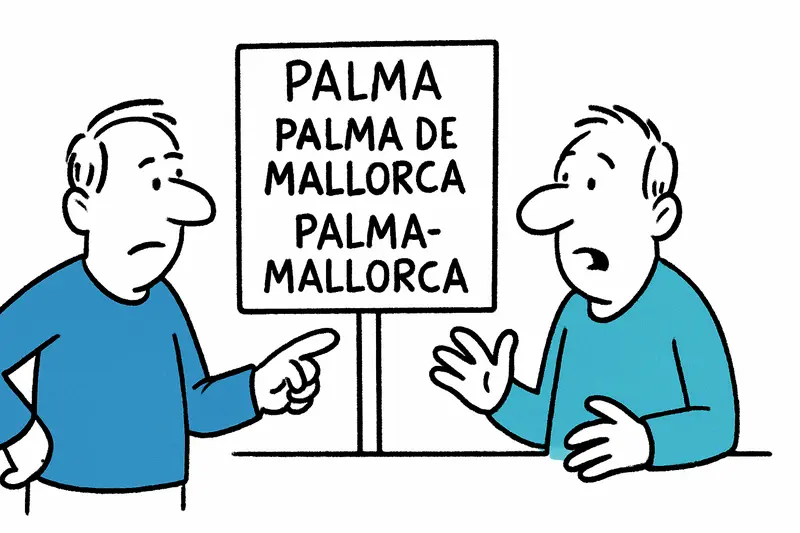
Palma, Palma de Mallorca, Palma‑Mallorca: What is it really about?
The debate over the city's name is more than grammar: it concerns identity, law and branding policy. A sober reality che...
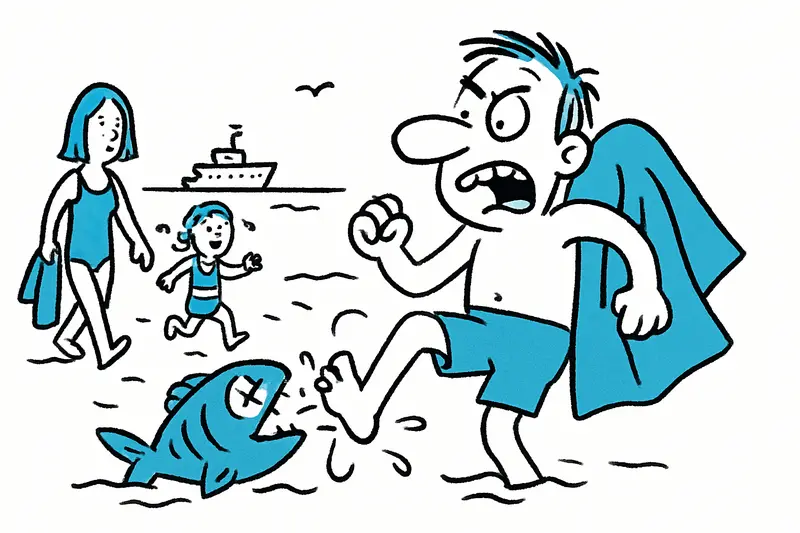
Warning to Bathers: Nipping Fish in Cala Major and Other Coves — a Reality Check
In Cala Major and several beaches around Mallorca, bathers report painful “nips”. Who are the animals, why are they gett...
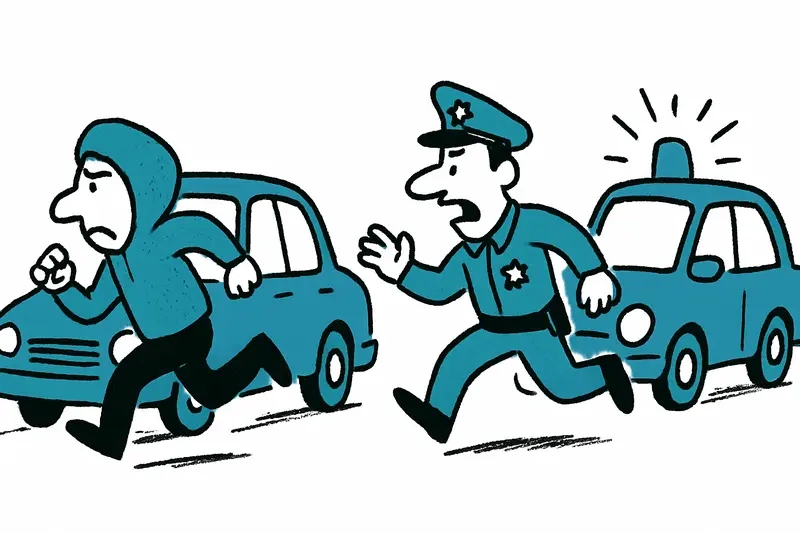
Rental Car Theft in El Arenal: What This Incident Reveals About Our Gaps
A teenager steals a running rental car in El Arenal, flees on foot, climbs over walls and is caught by the Guardia Civil...
Red Rope in Palma's Library: What Helps Against Selfie Tourism — and What's Missing
Palma's city library cordoned off an area with a red rope to keep selfie tourism away from reading and working activitie...
More to explore
Discover more interesting content

Can Cap de Bou

Townhouse Lleo 72
