
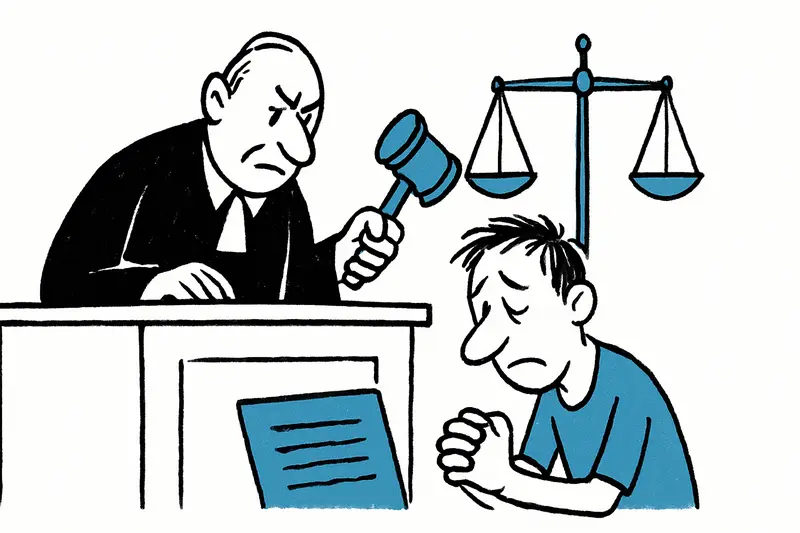
Magaluf Verdict: 73 Years in Prison After Group Rape — What the Island Must Do Now
Eight men were sentenced to a total of 73 years in prison after a group rape in a hotel in Magaluf. A reality check: What prevents such crimes, and how is Mallorca really responding?
Magaluf Verdict: 73 Years in Prison After Group Rape — What the Island Must Do Now
Key question: Why do such serious assaults still occur despite police work and evidence — and what responsibility do tourism, hotels and digital platforms bear?
The news is brutal: Eight men — seven French nationals and one Swiss — pleaded guilty and were sentenced to a combined 73 years in prison. The crime dates back almost two years: In the early hours of 14 August 2023, an 18-year-old British holidaymaker is said to have been jointly assaulted in a hotel room in Magaluf. Several perpetrators filmed the assaults and spread the footage via Snapchat; the Guardia Civil secured the phones and arrested suspects. Originally, the public prosecutor had demanded a significantly longer sentence, but during the trial the sentence was reduced after a compensation payment of €150,000 and a confession.
In short: prison sentences are part of the answer. But the court ruling does not end the debate. On the contrary — it raises many questions that we encounter daily in Mallorca when the party zone wakes up and crowds flow through Magaluf.
Critical analysis
The facts reveal an interplay of several factors. First: alcohol and locked hotel rooms create situations in which irresponsibility can quickly turn into violence. Second: the digital distribution of recordings turns private acts of violence into public humiliation, further retraumatizing victims, as highlighted in Secret Recordings in Palma: Verdict, Questions and What Matters Now for Those Affected. Third: cross-border groups of tourists increase the complexity of prevention and prosecution; a similar dynamic has emerged in cases such as the Trial in Essen: Four Germans charged over alleged incident in Mallorca. That the defendants filmed and shared the act is not incidental — it indicates group dynamics that see violence as "entertainment."
On a legal level, it is troubling that an originally requested sentence of 151 years was reduced to 73 years. The payment of compensation and a confession mitigate the sentence under Spanish criminal law; that is legally possible. Yet for many residents and visitors it creates the impression that money and deals influence the harshness of the sentence — a problem for trust in the justice system.
What is missing from public discourse
The discussion too often narrows to individual emotions and sentence length. Concrete debates are missing about: (1) prevention in bars, clubs and hotels; (2) the role of staff, security and hotel management; (3) the responsibility of platforms like Snapchat in the rapid spread of abuse material; (4) cross-border education for young travelers before arrival; and (5) low-threshold reporting channels for victims on site.
Everyday scene from Magaluf
It is Friday night, Calle de Punta Ballena is full, music pounds, taxi lights reflect on wet pavements, young people shout to one another. The next morning you see tired-faced waiters, trash bags and empty cups, and at the reception of a small hotel a sign with emergency phone numbers is hung. These scenes are familiar — they show how closely party culture and risk sit together on the island, as reported in Magaluf after the beach discovery: When partying becomes a danger zone.
Concrete approaches
The island needs a bundle of short-term and structural measures. Locally implementable proposals include: stricter controls in and around hotels (more security trained in de-escalation and victim support); mandatory training for bar and hotel staff to recognize sexual assaults; clear protocols for how hotels report incidents and preserve evidence; awareness campaigns in origin countries about consumption and behavioral risks; low-threshold reporting apps for tourists in multiple languages; support for victims who do not want to file a police report immediately (medical, psychological and legal assistance on site); cooperation with platform operators to stop the spread of abuse footage and to suspend perpetrator accounts.
Why these steps are realistic
Mallorca lives off tourism — and therefore also depends on a sense of safety. Hotels and regions have an economic interest in guests feeling safe. Regulations for training and reporting channels can be anchored at the municipal and Balearic level, especially if hoteliers, the Guardia Civil and health services cooperate. Technical measures to prevent the uploading of violent videos require international pressure on platforms, but local awareness campaigns also reduce the risk that such content will be shared.
Punchy conclusion
The verdict is necessary and should not be relativized. But imprisonment alone is not enough to restore trust. Mallorca needs visible prevention — not only controls, but also a culture change: hotels, bars, police, platform operators and the tourism industry must take on their roles. Otherwise, after the outcry at the pub table, only one question remains: Who protects those who are too young, too drunk or too alone to protect themselves?
Frequently asked questions
Why do serious assaults still happen in Magaluf despite police patrols?
What should hotels in Mallorca do to help prevent sexual assaults?
How does sharing assault footage on Snapchat affect victims?
Is a compensation payment enough to reduce a prison sentence in Spain?
What can tourists in Magaluf do to stay safer at night?
What support is available for assault victims in Mallorca who do not want to report immediately?
Why is prevention in Magaluf more difficult than in a normal town centre?
What role should social media platforms play after violent crimes in Mallorca?
Similar News

Rental Car Theft in El Arenal: What This Incident Reveals About Our Gaps
A teenager steals a running rental car in El Arenal, flees on foot, climbs over walls and is caught by the Guardia Civil...
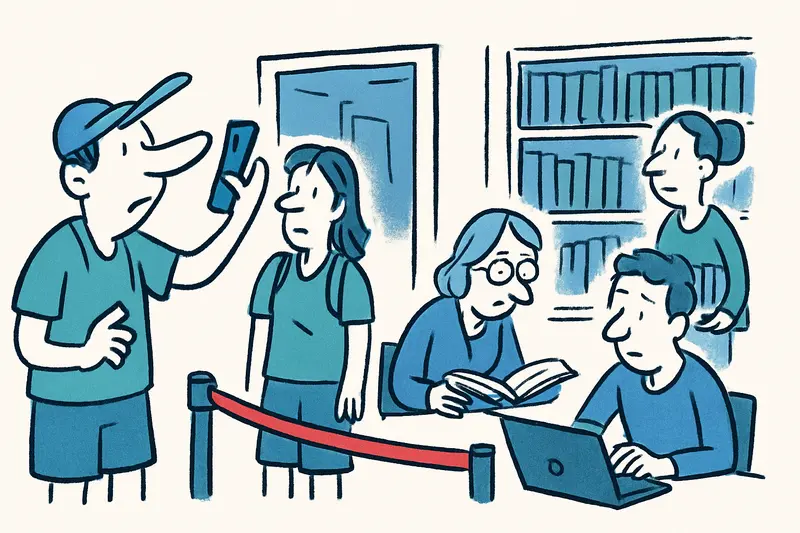
Red Rope in Palma's Library: What Helps Against Selfie Tourism — and What's Missing
Palma's city library cordoned off an area with a red rope to keep selfie tourism away from reading and working activitie...

Fort San Carlos: Museum, Harbor Dispute — and a Conflict That Demands Answers
The military museum at Fort San Carlos sits right on Palma's harbor, with unexpectedly quiet rooms filled with cannons a...
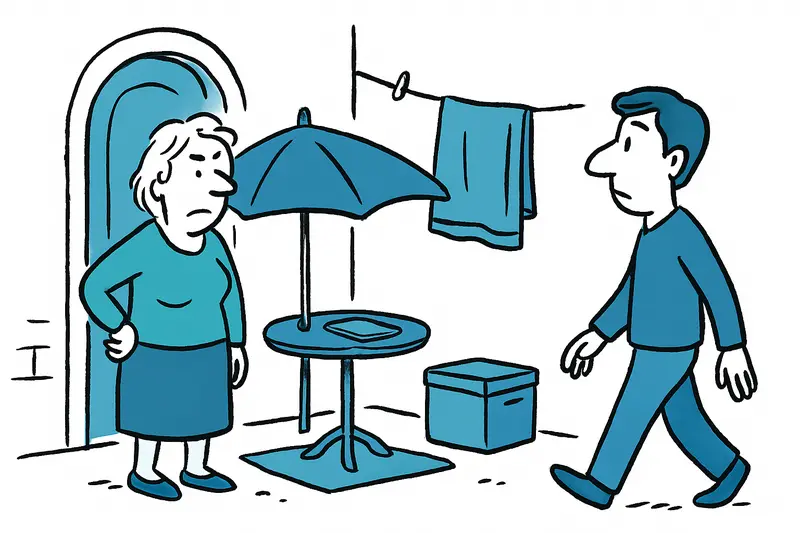
Old Town Under Pressure: When a Doorway Becomes a Sleeping and Shower Place
For months a woman has been living with a parasol, a clothes rack and personal belongings next to the social welfare off...

When Shopping Weighs Heavier: Mallorca Demands a Tax Pause on Food and Fuel
Rising prices are putting pressure on households and agriculture. The Balearic Islands are calling for temporary tax rel...
More to explore
Discover more interesting content

Can Cap de Bou

Townhouse Lleo 72
