
Stays open, but questions remain: A reality check on the German supermarket at Playa de Palma
Stays open, but questions remain: A reality check on the German supermarket at Playa de Palma
The announcement that the German store “Sam” at Playa de Palma will not close after all brings relief. Nevertheless, more is at stake than a discount: consumer protection, trust and inspections.
Stays open, but questions remain: A reality check on the German supermarket at Playa de Palma
Why reversing the closure cannot be the end of the debate
Key question: Is a Facebook post with words of thanks and discount offers enough to dispel lost trust and concrete safety concerns?
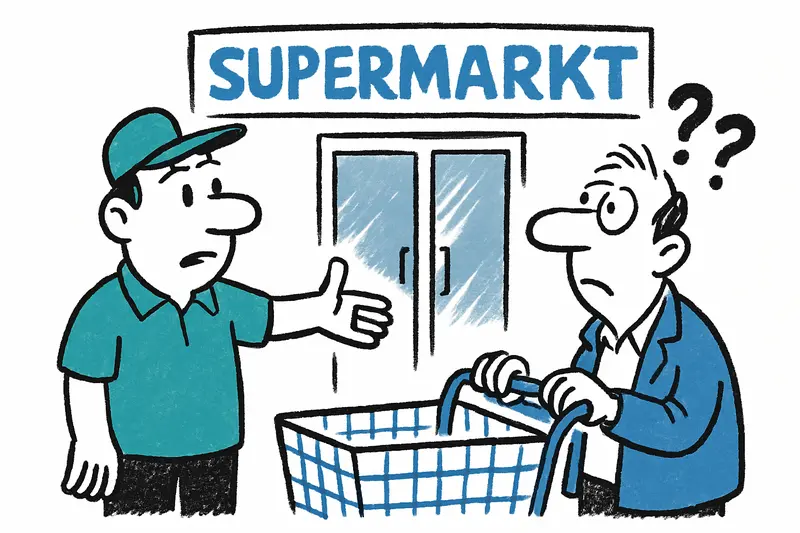
Late in the morning at Playa de Palma it smells of fried paella and the sea; at the edge of the promenade, where tourists in flip‑flops queue, lies the supermarket “Sam”. A few days ago the operator announced on Facebook that she intended to close the shop — due to exhaustion, it was said. Shortly afterwards there was a reversal: operations are to continue, one thanks everyone for the support, wants to celebrate with discounts and will keep serving customers. An employee confirmed tersely: Yes, things will remain as they are.
That sounds like a small success story for the community: thousands of messages, comments and calls supposedly influenced the decision. For many German residents and regular holidaymakers, a range of familiar products is more than comfort: it is part of island life. That people in the comments breathe a sigh of relief and write that certain products practically saved their meals shows how closely consumption and a sense of home are connected.
However: the backstory cannot be wiped away. At the beginning of January there were allegations about spoiled or expired sausages, which caused an uproar. Such reports are not a purely private annoyance — they touch on food safety, health risks and legal obligations. Anyone who reduces the discussion to emotions alone overlooks the core problem.
Critical analysis: First, there is a tension between sentiment and law. A shop that sells food is subject to special hygiene requirements. Public displays of solidarity do not replace inspections by the competent authorities. Second, the quick reversal of the closure decision creates mistrust: was the original announcement truly an expression of exhaustion or an indication of a problem that has not yet been resolved?
Thirdly, transparency is often lacking. The debate talks about “expired goods”, complaints in online reviews and frustration in front of closed doors. What has so far rarely appeared: clear information about the results of any official checks, about storage and the cold chain in the shop, about staff training or internal product controls. Without these facts the perception of risk remains diffuse.
What is missing from the public discourse: concrete demands of the responsible authorities and clear expectations of the operator. Citizens write emails and comment — good. But public debate must go beyond that and ask questions that authorities can answer: Were samples taken? Were penalty notices issued? What requirements apply to the labeling of best‑before dates on imported products? Such information reassures and creates accountability.
Everyday observation: When passing by you see the customers — a mix of pensioners with shopping trolleys, tradespeople on break and holidaymakers with beach towels. Employees move crates, boxes bearing German labels. The scene feels familiar, but also vulnerable: narrow aisles, fluctuating temperatures at the shop entrance, staff juggling between sales and goods receipt. That is not inherently problematic, but it shows where mistakes can occur.
Concrete solutions that now make sense:
1. Transparent communication: The operator should disclose which measures were taken to examine the allegations and to remedy deficiencies. A short public protocol on hygiene measures would build trust.
2. External inspection: The responsible health authority or the consumer protection office should carry out the announced inspections promptly and publish the results. Consumer protection is not a private matter.
3. Standardized inventory control: Introduce clear processes for goods receipt, a first‑in‑first‑out principle and a cold‑chain log. Small shops benefit from checklists more than from good intentions.
4. Customer participation with rules: An anonymous complaints office, a notice at the checkout about returning expired goods and clearer labels help reduce misunderstandings.
5. Staff training: Short mandatory trainings on food hygiene and correct labeling reduce sources of error.
The conclusion must be clear and a bit sharper: the decision to stay open is a relief for many. But a shop’s popularity must not be a substitute for due diligence. A “we’re carrying on” is a promise, not a final report. Those who continue to shop have the right to clean products and clear answers. If that is not delivered, no discount — and no good mood on the promenade — will help.
Frequently asked questions
Is the German supermarket at Playa de Palma still open?
Why did the supermarket at Playa de Palma almost close?
Are there food safety concerns at the supermarket in Playa de Palma?
What should shoppers in Mallorca look out for when buying food in small supermarkets?
Can a supermarket in Mallorca stay open if customers have raised complaints?
What makes the German supermarket at Playa de Palma important for residents and holidaymakers?
What kind of improvements would help build trust in a supermarket in Mallorca?
What do best-before dates mean for imported food in Mallorca supermarkets?
Similar News
Reality check: Palma's "white" torrent — harmless salt or neglected warning sign?
White crusts on the Torrent de Sa Riera are causing a stir. Emaya describes them as salt deposits. Our reality check: wh...
When Ryanair's fleet grows: What Mallorca's travelers should know
Ryanair will soon receive 737 Max 10 jets. The larger aircraft offer potential savings — but also new risks for flight o...
Rising fuel and housing costs: Why Mallorca's overland buses are suddenly overcrowded
More and more people are leaving Palma — and boarding TIB buses: Between January and August 2026, the network recorded o...
Carriages Without Horses: Palma Plans E-Carriages – a Reality Check
Palma plans to switch to electric carriages in 2027. The prototype was shown near the cathedral. What is the technology ...

Record season, empty coffers: Who really benefits from the tourism boom?
Full hotels and more flights: the numbers sound impressive — yet many locals feel no benefit. A reality check with an ev...
More to explore
Discover more interesting content

Can Cap de Bou

Townhouse Lleo 72
