
Stinking Sidewalks in Palma: Residents on Arxiduc Street Take Action
In front of doorways on Arxiduc Street dog droppings pile up, angry notes are stuck to lamp posts — and the debate over responsibility, enforcement and everyday practicality flares up again.
Stinking Sidewalks in Palma: Residents on Arxiduc Street Take Action
Who bears the responsibility — dog owners, the city or the neighborhood?
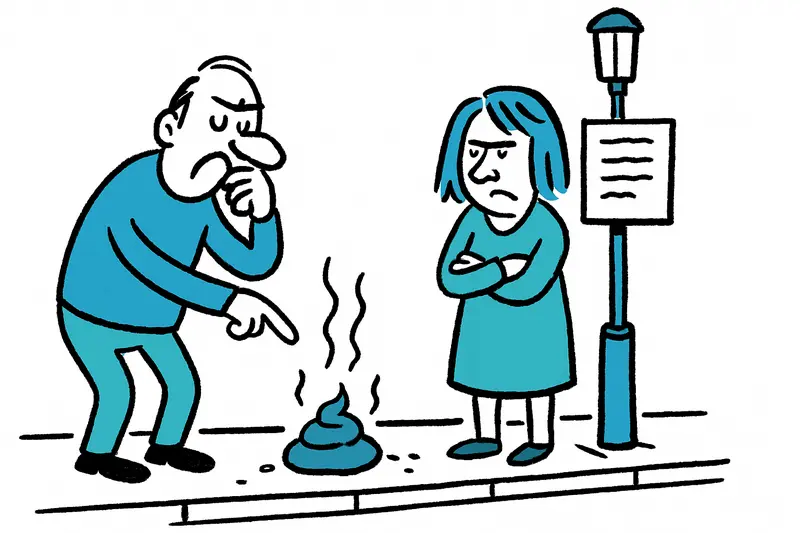
It is an ordinary morning near the Avenidas: delivery vans rumble, a moped whistles around the corner, and handwritten notes are stuck to the lamp posts on Arxiduc Street. "Mr Dog!!! Tell the 'animal' of your owner to clean up..." read one of them. Such messages are no joke; they are an expression of frustration. Neighbors are tired of repeatedly finding dog droppings and wet spots on their doorstep — and the mood in the otherwise well-kept neighborhood is tense.
Key question: Who has to solve the problem and how can sidewalks be kept clean in the long term? The simple sentence "Dog owners must clean up" matches the legal situation, yet in everyday life claim and reality often collide.
Critical analysis: On one hand the legal obligation is clear: deposits must be removed, and urine rinsed away with carried water. On the other hand, infrastructure is often lacking, enforcement is sporadic, and the behavior of individuals overrides the coexistence of many. Fines may theoretically exist, but visible enforcement that acts as a deterrent is missing in many neighborhoods (Frustration in Arenal: Residents demand clean streets and safe sidewalks). At the same time, factors such as time pressure, the distance to the nearest trash bin, or the plain convenience of some dog owners contribute to the deterioration.
What is missing in public discourse: there is a lot of talk about sanctions and little about everyday facilitations and social steering. An information campaign in Palma only reaches those who pay attention. Also missing is simple, practical support: where should one wash away urine if there is no water point or suitable container at hand? Why are there no strategically placed bag dispensers or water buckets near critical points?
An everyday scene: An elderly woman sweeps in front of the corner shop while children get off the school bus. A dog pulls its owner along on the leash; the dog does its business between the plant pots. The walk lasts five minutes, picking it up might take ten seconds — but those ten seconds are missing. A neighbor who is taking in the laundry scolds, a delivery driver stops and watches in resignation. The city's noises drown out the discussion, but the smell lingers (Paseo Marítimo: Residents Take Stock – From Promenade Boulevard to a Nighttime Problem).
Concrete solutions, not just demands:
1. Place infrastructure smartly: More bag dispensers at park entrances and exits, at intersections like Avenidas/Arxiduc and in areas with heavy pedestrian traffic. Small, lockable water stations or public drinking fountains with a tap would make rinsing easier.
2. Visible, regular controls: Mobile checks by the Policía Local during peak times, linked to an easily accessible reporting function via app or phone so complaints do not pile up.
3. Promote neighborhood initiatives: "Adopt-a-street" programs where residents take responsibility and receive a small budget for cleanups. Volunteer cleanup days build community and visibility.
4. Behavioral nudges: Ground markings, humorous signs and small pictograms on lamp posts that remind people of their duty — clear, but without being abusive. Some people respond more to visible cues than to bans.
5. Information instead of moralizing: Short flyers in several languages explaining how to dispose properly and why it is important for health. Many walkers are tourists or newcomers; clear guidance helps.
A possible pilot: The city trials for three months in the Arxiduc neighborhood a combination of bag dispensers, two water stations and increased controls; at the same time a local information campaign runs. Results are publicly evaluated and, if successful, extended to other streets.
Conclusion: Clean streets are not a luxury, they are everyday life. Without smart infrastructure and visible enforcement, the responsibility often falls where the consequences are visible — on the residents. A few simple measures would lower the barrier to cleaning up significantly. Not moralizing lectures, but practical facilitation plus consistent, fair enforcement will have the greatest effect. Arxiduc Street shows: if you want to share public space, you have to look out for each other — and sometimes just carry a water bottle.
Frequently asked questions
Who is responsible for cleaning up dog mess on sidewalks in Palma?
Why do some streets in Palma, like Arxiduc, smell bad even when they look clean?
What can Palma do to keep sidewalks cleaner with dogs around?
Are there fines for not picking up after a dog in Palma?
What is the best way to clean dog urine off a sidewalk in Mallorca?
Why are residents on Arxiduc Street in Palma asking for more control?
Could more bag dispensers help with dog mess in Palma?
What would a practical pilot project for cleaner streets in Palma look like?
Similar News
Warning to Bathers: Nipping Fish in Cala Major and Other Coves — a Reality Check
In Cala Major and several beaches around Mallorca, bathers report painful “nips”. Who are the animals, why are they gett...
Rental Car Theft in El Arenal: What This Incident Reveals About Our Gaps
A teenager steals a running rental car in El Arenal, flees on foot, climbs over walls and is caught by the Guardia Civil...
Red Rope in Palma's Library: What Helps Against Selfie Tourism — and What's Missing
Palma's city library cordoned off an area with a red rope to keep selfie tourism away from reading and working activitie...
Fort San Carlos: Museum, Harbor Dispute — and a Conflict That Demands Answers
The military museum at Fort San Carlos sits right on Palma's harbor, with unexpectedly quiet rooms filled with cannons a...
Old Town Under Pressure: When a Doorway Becomes a Sleeping and Shower Place
For months a woman has been living with a parasol, a clothes rack and personal belongings next to the social welfare off...
More to explore
Discover more interesting content

Can Cap de Bou

Townhouse Lleo 72
