
"Stop Instagramers": Reality instead of filters — A reality check for Mallorca
A platform calls it by its name: self-staging leads to crowded bays, clogged roads and pressure on water resources. What's missing in the discourse — and how can real relief be achieved?
"Stop Instagramers": Reality instead of filters — A reality check for Mallorca
Guiding question: Can a social media campaign actually change the relationship between the island and its visitors?
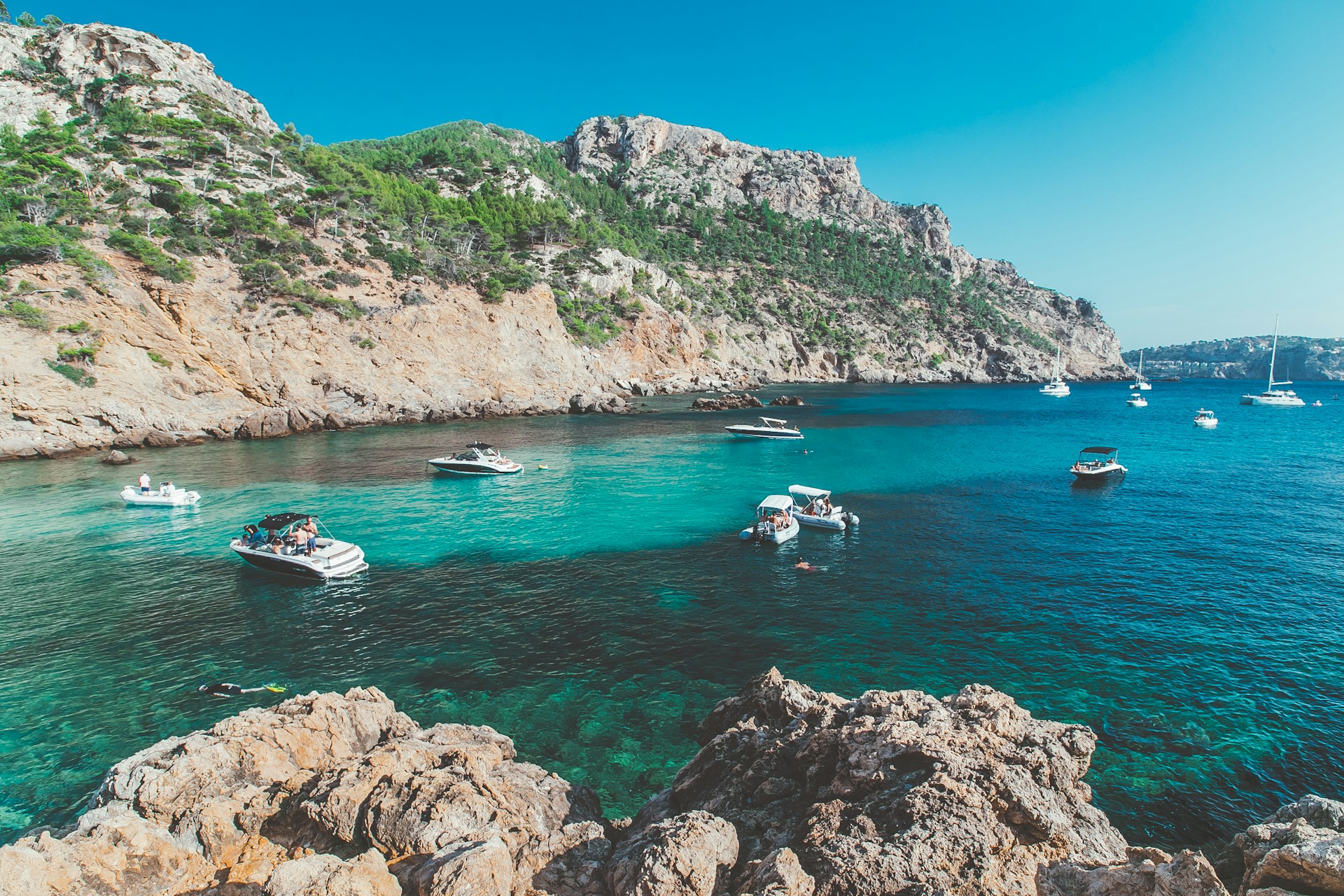
The initiative "Mallorca en Perill" hit a nerve with its action "Stop Instagramers." The message: staged images on social networks usually don't show what the Passeig Mallorca looks like in the morning, when delivery vans maneuver, market stalls are set up and tourist groups are already out with cameras. Between May and October, the campaigners warn, many of the places that look like postcards online are in fact overcrowded. The consequences: full parking lots, traffic jams, and in some places access restrictions already in place, for example on the road to Formentor.
At first glance this seems contradictory: a campaign against the idyllic world of influencers is partly running on the very channels it criticizes. That is provocative — and strategic. But provocation must lead to more than an attention-grabbing post: a look at the island shows that the problems are more complex than just bad pictures.
Critical analysis: the platform's descriptions pick up real grievances. Tourist hotspots suffer from overuse, traffic management is often not designed for visitor numbers, and water supply is becoming more difficult in some municipalities. At the same time, the local economy depends heavily on tourism. The tension between economy, quality of life and nature conservation is key to the question of how to respond. A mere moral sermon against influencers falls short — it ignores that providers of boat tours, car rentals and even advertising by the travel industry play a role.
What is missing in public debate: concrete numbers, binding regulations and voices from the affected communities. Who decides when access roads to viewpoints are closed? Mayors, conservation authorities or the police? And how does short-term profit orientation by providers square with long-term preservation of the island? The debate should make room for the perspectives of residents, market vendors, boat operators and small entrepreneurs — not just headlines.
A daily scene from Palma: It's 8 a.m. on an August morning; old men drink their coffee on the Plaça de Cort, garbage collection and the bakery make deliveries, a tour group waits for its bus, behind a hedge a couple takes their first photos. A young man with a camera poses on a low wall as a delivery van rolls slowly past. The picture is banal everyday life — and at the same time shows how closely use and traffic are intertwined here. It is in such moments that the contradictions become visible: carrying on local life and receiving visitors without one destroying the other.
Concrete, implementable suggestions: First: capacity management at sensitive sites — time-limited access, reservation-required parking and targeted shuttle services. Second: transparent visitor numbers and simple booking systems for popular viewpoints and beaches so visitors can plan their arrival. Third: clear rules for commercial photoshoots and influencer events; anyone using a site for commercial staging pays a fee and must meet environmental requirements. Fourth: better information instead of prohibition signs — digital notices at key junctions about alternative destinations and behavioral rules. Fifth: funding schemes for offers that make culture, language and traditional crafts tangible instead of merely providing a backdrop. Finally: investments in public transport and water infrastructure, tied to a tourism levy that flows directly into conservation and relief measures.
Some of these measures are technically feasible, others harder to implement politically. What matters is that the discussion does not stop at appeals. Campaigns like "Stop Instagramers" create visibility — now institutions are needed to turn that into viable rules. This includes reliable data, transparent decisions at municipal level and controls so that regulations do not remain only on paper.
Conclusion: The initiative is right to say that many promotional images create distorted expectations. It also does not overlook that tourism in Mallorca has many different faces — and that real relief requires planning, funding and willingness to compromise. If we want to treat the island not as an amusement park but as a living space, the solution must consist of several building blocks: demand management, fair distribution of revenues, and concrete rules for commercial use of nature. Without these steps a hashtag remains only a loud echo in the feed.
Frequently asked questions
What is the Stop Instagramers campaign about in Mallorca?
How could Mallorca manage visitor numbers at crowded viewpoints and beaches?
What rules might apply to commercial photoshoots at Mallorca sites?
What information should visitors have to plan responsibly in Mallorca?
What funding mechanisms support culture and conservation in Mallorca's tourism plan?
What infrastructure investments are suggested to support sustainable tourism in Mallorca?
Who should decide access restrictions at Mallorca's sensitive sites?
What is the overall takeaway about Mallorca’s tourism from the Stop Instagramers discussion?
Similar News
Pop Art from New York: Charles Fazzino conjures skylines in Palma
Pop-art star Charles Fazzino drew colorful, three-dimensional city views live at the "Summer Art Night" in Galerie Mensi...
After Storm in Santa Ponsa: Four Boats Damaged — Who Protects Our Coast?
Overnight, strong gusts in Santa Ponsa damaged or sank four boats. The incident reveals gaps in inspections, a risk of m...
Pearl oyster off Mallorca's coasts: How the warm sea is changing the island
The pearl oyster Pinctada radiata from the Red Sea is spreading further into the western Mediterranean. A study by IATS ...
Demolition or Opportunity? The Casetas on the Costa des Teatre — What Palma Really Must Decide
The city plans to redesign Plaça Major — but the small wooden huts on the Costa des Teatre are at stake. An inventory wi...

Douglas scion shakes up Deià's short film festival — behind the camera
Dylan Douglas worked in Deià on a one-minute short film about the solar eclipse and handled the editing. For the island ...
More to explore
Discover more interesting content

Boat Tour with BBQ along Es Trenc Beach
Private transfer from Mallorca Airport (PMI) to Pollensa
