
Rain Chaos at Palma Airport: A Rainy Day as a Stress Test
Thunderstorms, a wet apron, delayed flights: A rainy day at Palma Airport exposed weaknesses in communication, connection coordination and infrastructure — and which quick measures could ease the situation.
Thunderstorms, a wet apron and the central question: Is Palma really prepared?
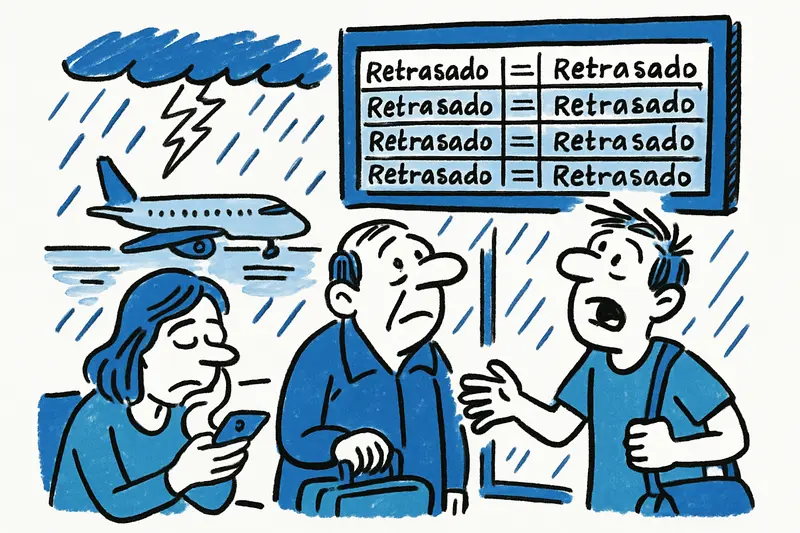
On Sunday morning, heavy raindrops struck the terminal roof, the clatter of suitcases echoed through Terminal C and announcements came over the speakers in Spanish, English and sometimes simply as a tired sigh. The screens repeatedly flashed the word "Retrasado" — delayed. Passengers from Germany, the United Kingdom and the Netherlands sat on benches, stared at their smartphones and tried to reorganize their connections. The mood was a mix of irritation, concern about missed ferries and the quiet frustration only a rain-drenched start to a holiday can produce. This was reported in Caos por temporal en el aeropuerto de Palma: por qué un día de lluvia pone a prueba la preparación.
A clear view: Three problem areas that stand out
Weather caprices are not new. Yet it feels as if a fairly harmless rainy day has become a test for the entire operational organization at the airport. Three issues stand out in particular when you spend an hour at the gate watching the blinking apron lights through the drizzle: This particular episode is similar to Temporal provoca caos en el aeropuerto de Palma – lo que significa para los viajeros.
Communication falters: There are often gaps between airline push notifications, the displays in the terminal and the verbal information at the counters. Travelers receive conflicting times, different queues form — and in the end people are left with carry-on bags and frustration.
Connection chains are fragile: Those relying on a connection to a ferry to Ibiza (for example, Balearia routes to Ibiza) or a bus to the island interior quickly lose their link. Bus and ferry operators cannot wait indefinitely; an hour delay at the baggage belt often means: missed connections in Mallorca. There is a lack of binding, automated coordination between airlines and local transport providers.
Infrastructure reaches its limits: Short-term flooding on access roads, wet parking lots and narrow transitions between road and terminal raise questions about drainage and evacuation or diversion plans. Mobile barriers and pumps helped temporarily — but they also show that long-term investments remain necessary.
Questions rarely asked out loud
Who is responsible when a delayed flight triggers a cascade of non-refundable expenses — rental cars, ferry tickets, booked sightseeing tours? How are ground staff and information services actually staffed during peak times, especially when language barriers, panic and technology collide? And: Do operators such as the airport authority plan sufficiently for more frequent heavy rain events, or do many measures remain makeshift?
These questions affect not only stressed travelers. They hit local service providers — bus companies, taxi drivers, small hotels — whose daily revenues depend on a reliable transport network. If Palma is regarded as the hub of the island's core mobility, these gaps become a reputational risk for the entire island.
Concrete, pragmatic measures — short- and medium-term
Some approaches would bring noticeable improvements quickly, without months of construction works:
Unified real-time information: A single authoritative status source per flight — synchronized between the airport (AENA flight status), the airline and ground transport — displayed consistently on screens, apps and social media channels would reduce confusion. A clear single source of truth helps travelers and staff.
Automated connection notifications: A protocol that automatically contacts relevant ferry lines, bus companies and major tour operators in case of significant delays would prevent many missed connections or at least present transparent alternatives.
Flexible staffing and space planning: During weather warnings, additional information points, temporary covered waiting areas at gates and mobile charging and Wi‑Fi stations. Small measures, big relief for parents with children and older travelers.
Rapid infrastructure checks: Mobile pumps, foldable barriers at sensitive access points and regular drainage checks before the rainy season. In the medium term, priority should be given to targeted investments in drainage systems and secure access routes.
Clear consumer guidance: Standardized advice on documentation (screenshots, boarding passes, receipts) and clearly named contact channels increase the chances of reimbursement under EU passenger rights (Regulation EC 261/2004) and avoid long disputes at the counter.
What travelers can do immediately
For everyone traveling today: keep your battery charged, have your boarding pass both digitally and printed, and enable push alerts. Collect receipts — especially for extra taxi trips or overnight stays — and stay patient. Sometimes a calm night in Palma is a better alternative than frantically chasing a potentially missed connection in the dark.
On site you see more than on the screens: the clack of suitcases on wet floors, the hurried commands of ground staff, the flashing apron lights in the drizzle. A rainy day is not a drama — but a good stress test. It shows where Mallorca should improve to become more resilient and reliable in the long term.
I will continue to monitor the situation and report as soon as anything changes. For current flight information, official status sources remain the most reliable point of contact — and a calm breath the best travel companion on such days.
Frequently asked questions
How does heavy rain affect flights at Palma Airport?
What should I do if my flight from Mallorca is delayed because of bad weather?
Can bad weather at Palma Airport make me miss a ferry or bus connection?
What passenger rights do I have if a weather delay happens in Mallorca?
Is Palma Airport prepared for heavy rain and storms?
What is the best time of year to fly to Mallorca if I want to avoid stormy weather?
What should I pack for a rainy arrival in Mallorca?
Why does a rain delay at Palma Airport affect local businesses too?
Similar News

Palma Gets a Welcoming Park: Tirador Goes Greener — and a Café Is Coming
A new green project in Es Fortí/Camí de Jesús will transform the old Voltadora into a city park with an experience fores...
Why the End of "Los Últimos Mohicanos" Is More Than the Closing of a Bar
With squealing tires and one last glass, an icon on the Palma–Manacor expressway closes. Why the demise of this German b...

Protest camp on Plaza España: Who asks for solutions to the right to housing?
Around 30 activists set up a tent camp on Palma's Plaza España to push for stronger tenant rights. Our analysis asks: Ar...

In the Name of a Gang: Alleged Extortion in El Molinar and What It Reveals About the Protection of Sex Workers
A man is accused of posing as a member of the Hells Angels and extorting two women at accommodation in El Molinar. The s...

When Chile Meets the Mediterranean: A New Flavor at Can Bordoy
At Can Bordoy in Palma's old town, Chilean chef Jhonatan Maldonado combines Patagonian seafood with Mediterranean island...
More to explore
Discover more interesting content

Can Cap de Bou

Townhouse Lleo 72
