
Storm Harry: Are We Really Prepared?
Hurricane-like gusts, 12-meter waves and days of rain: Aemet keeps Mallorca's coasts on orange alert. A critical reality check — and what's missing here.
Storm Harry: Are We Really Prepared?
Key question: How well do warnings, roads and beaches protect us when the wind really picks up?
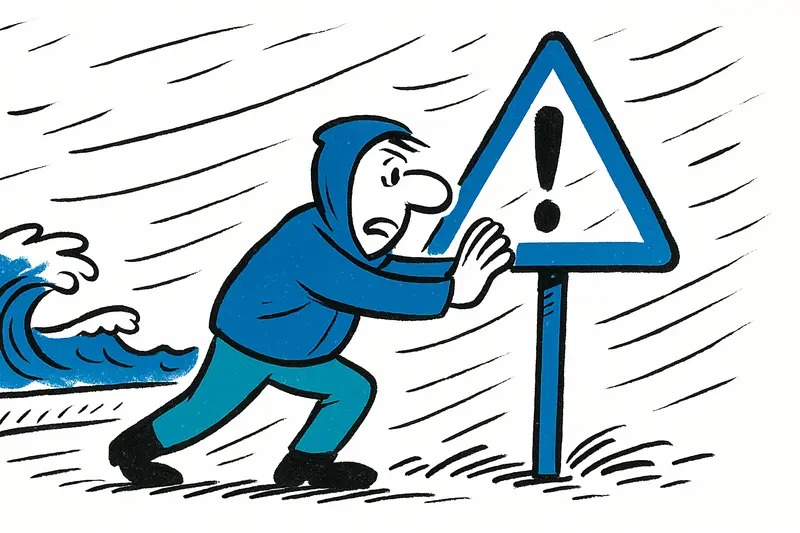
On the Paseo Marítimo in Palma the air tastes of sea and wet asphalt today. Cars roll slowly, café owners have rolled up their awnings, and the sea lashes against the promenade as if trying to drive the fish back onto the shore. Scenes like this have been seen more often in recent days, as described in Storm Alert: Is Mallorca Prepared for the Deluge?: the sky a deep gray, the harbor authority's sirens faint in the background, people with hoods bracing against the wind.
The facts are clear: the national weather service Aemet maintains yellow and orange warnings for the Balearic Islands, as detailed in Yellow Storm Warning: How Well Is Mallorca Prepared for Heavy Rain?. Gusts of up to 105 km/h were recorded on the Sierra d'Alfàbia, 77 km/h on the east coast near Capdepera, and even 74 km/h at airports such as Menorca. Off the coasts such gusts can produce waves up to 12 meters high. For the weekend Aemet also forecasts falling snow levels: first around 900 meters, then about 800 meters.
Sounds dramatic? It is. Yet what strikes me is that public discussion often overlooks two points: first, concrete, locally applicable protective measures for residents and businesses; second, clear information for guests and seasonal workers who do not speak Spanish. Warning levels are important. But a warning level alone does not replace local planning.
From practice: In Port de Sóller I see fishermen securing boats, and at the same time a number of beach stalls whose anchoring does not seem designed for the next stronger flood. On country roads toward the Serra vegetation often grows close to the carriageway; in strong gusts branches fall and suddenly block connections between places. Those who have to go to work ask: Will the bus come? Will the ferry run? Where can I find a dry, safe place when the torrents start?
My critical analysis has three key points: First, coordination. Municipalities, port authorities and emergency services do communicate warnings, but coordination of temporary closures, safe assembly points and detours is not equally organized everywhere. Second, information transparency for non-Portuguese and non-Spanish speakers. On an island with many international workers and guests there is a need for multilingual notices in places people visit daily: ports, bus stations, tourist centers. Third, infrastructure maintenance. Drains, road edges and coastal protection are often maintained reactively rather than preventively.
What is missing from public debate? Discussions about insurance claims after storms, simple checklists for coastal business owners and clarity about which ports will be closed under which conditions. Long-term issues such as the stability of dunes in front of smaller settlements and reforestation measures in the Tramuntana are hardly addressed in rapid alerts. For broader coverage of recent alerts see Severe weather alert in Mallorca: Are we prepared for the deluge?.
Concrete solutions that could help immediately:
1. Unified, multilingual warning centers: A digital channel that reports local closures, current water levels and recommended assembly points in Spanish, English and German. This channel must be updated more often than only with Aemet alerts.
2. Local-appropriate securing plans: Municipalities should distribute checklists for beach businesses, boat owners and small enterprises: check anchoring, secure outdoor furniture, keep drains clear. These measures cost little but significantly reduce damage.
3. Preventive tree and road maintenance: Regular trimming on access roads, cleared safety passages for fire and towing services, controlled removal of loose branches before storm season.
4. Public shelters and emergency transport: Coastal municipalities should have clearly marked shelters reachable with special timetables for local buses. Hotels could be contractually included as contact points for tourists.
5. Communication with the tourism industry: Ports, ferries and airlines should publish standardized criteria for when services are suspended for safety reasons. This would allow travelers and businesses to plan better.
A short, pointed conclusion: Weather warnings are necessary but not sufficient. On the Balearic Islands strong winds and high waves meet densely built coastal areas and a complex mix of locals, seasonal workers and visitors. We need less rhetoric and more practical steps that work on the Paseo Marítimo as well as in a mountain village in the Tramuntana. Most importantly: people who live or work here should know how to act on the next storm day — and where to find help.
In the coming days this means for everyone: take warnings seriously, secure windows and outdoor areas, check routes and message older neighbors. When the rain comes and the wind snaps the palms, it's a good feeling to know your community does more than just post the color of a warning level.
Frequently asked questions
What does a yellow or orange storm warning mean in Mallorca?
Is it safe to go to the beach in Mallorca during strong winds?
How should I prepare for stormy weather in Mallorca?
Can buses and ferries be disrupted by storms in Mallorca?
What should tourists in Mallorca do when a storm alert is issued?
Why is the Paseo Marítimo in Palma affected so quickly by bad weather?
What makes Port de Sóller important during stormy weather in Mallorca?
Why do mountain roads in the Serra de Tramuntana become risky in storms?
Similar News

Rental Car Theft in El Arenal: What This Incident Reveals About Our Gaps
A teenager steals a running rental car in El Arenal, flees on foot, climbs over walls and is caught by the Guardia Civil...

Red Rope in Palma's Library: What Helps Against Selfie Tourism — and What's Missing
Palma's city library cordoned off an area with a red rope to keep selfie tourism away from reading and working activitie...
Fort San Carlos: Museum, Harbor Dispute — and a Conflict That Demands Answers
The military museum at Fort San Carlos sits right on Palma's harbor, with unexpectedly quiet rooms filled with cannons a...
Old Town Under Pressure: When a Doorway Becomes a Sleeping and Shower Place
For months a woman has been living with a parasol, a clothes rack and personal belongings next to the social welfare off...

When Shopping Weighs Heavier: Mallorca Demands a Tax Pause on Food and Fuel
Rising prices are putting pressure on households and agriculture. The Balearic Islands are calling for temporary tax rel...
More to explore
Discover more interesting content

Can Cap de Bou

Townhouse Lleo 72
