
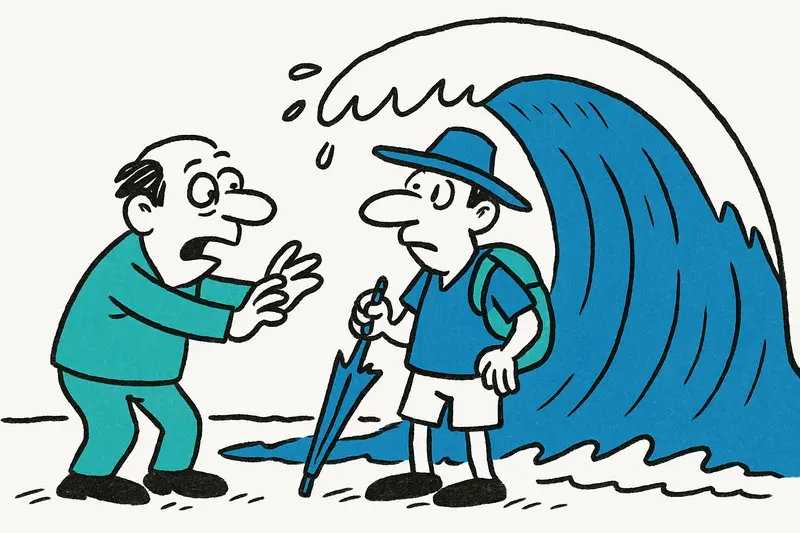
Storm "Leonardo" approaching: Ten‑meter waves, Orange alert — what could go wrong in Mallorca now
Storm "Leonardo" approaching: Ten‑meter waves, Orange alert — what could go wrong in Mallorca now
Aemet reports storm “Leonardo” with waves up to ten metres and an Orange alert in the Bay of Palma. A reality check: where the dangers lie and what might be missing right now.
Storm "Leonardo" approaching: Ten‑meter waves, Orange alert — what could go wrong in Mallorca now
Key question: Are the island and the city prepared for the force of the sea — or are there gaps that endanger people and infrastructure?
The national weather service Aemet has clearly spelled out what is coming: a storm system travelling under the name "Leonardo" will send southwesterly winds on Thursday that can produce waves of up to ten metres in the Bay of Palma. Parts of the coast are under an Orange alert from 2 p.m. onwards. The sudden strong gusts push temperatures up to almost 19°C — a strange springlike breath while water and wind turn into a hazard.
Critical analysis: the figure "ten metres" is not just a headline. Waves of that size combine three problems: destructive wave impact on coastal defences, debris driven into promenades and harbour facilities, and strong currents that can put even experienced swimmers and coastal rescuers at risk. In recent weeks Mallorca has already seen gale‑force gusts; many protective measures on beaches and in harbour areas are in need of repair or are only provisionally secured. If the surge reaches high enough, not only beach furniture will be lost to the sea — paths, promenade walls and private wall projections built close to the surf are at risk of damage.
What often gets left out of public discussion is a realistic picture of how interconnected the risks are. Authorities talk about alert levels and people receive push notifications — but everyday risks get less attention: delivery traffic to coastal businesses, stranded yachts and specialised occupational safety measures for harbour workers. Also rarely discussed is how well alarm plans are practised between municipalities, rescue services and the operators of marinas. Technology can measure and warn — what matters is whether concrete action instructions reach the beach kiosks and boat owners.
An everyday scene on the island: early in the morning you see the caretaker of a small hotel on the Passeig Marítim making hot drinks for workmen while securing metal‑rolled sunshades. In Portixol harbour workers are tying fenders, a fisherman in Cap de Cala cancels his coffee break and checks the lines on his boat again. On the Paseo in front of Cala Major benches are being secured, a couple of dog owners walk on with determined faces because the promenade could be closed at any moment. Scenes like these show: many people react, but organisationally often too late.
Concrete solutions — practical and immediately actionable:
1) Early, targeted warning communication: Warnings must speak the language of the target groups: fishermen, marina operators, coastal bus companies, hotel and hospitality staff. Short, concrete instructions ("secure boats, double up mooring lines, bring fishing gear inside") are more useful than general danger signals.
2) Prioritised protection of critical infrastructure: With heavy surf, mobile barriers and sandbags should not be prepared only once the water arrives. Harbours and promenades need stocks of reinforcement materials and clear checklists setting the order of measures.
3) Coordinated drills and communication chains: Municipalities, harbourmasters, civil protection and volunteers should run simple emergency exercises — also shortly before the season. The chain from the Aemet warning down to the bar on the beach needs to be practised once or twice a year.
4) Protection for vulnerable users: Pedestrians, older residents near the coast, recreational sportspeople and small businesses need preventive notices. Multilingual information sheets at marinas and along promenades would be a pragmatic step.
5) Visible harbour and beach patrols: Patrols during high‑wave periods reduce risky behaviour — watching people jump from rocks would be particularly dangerous this time.
What should be done immediately: authorities must translate the alert level into clear, actionable recommendations and ensure marinas, shipping and rescue services are linked. Municipalities should temporarily close promenades with increased wave action and publicly communicate which car parks and access points are blocked.
Punchy conclusion: we are an island, the sea is part of us — but familiarity must not make us blind. Aemet provides the figures; the consequences must be carried out locally. If action gaps appear, they will show at the interfaces: between warning and practice, between port operations and rescue services, between the tourism industry and neighbourhoods. Anyone on the Passeig or in Cala Major who still leaves their chairs outside has not grasped the urgency. It is time for pragmatic measures, not debates.
Practical reminder for readers: keep your distance from the water's edge, secure vehicles and outdoor furniture near the coast, follow the instructions of local authorities and monitor Aemet updates — and if you own a boat: check mooring lines and fenders.
Frequently asked questions
What does an orange weather alert mean in Mallorca during a storm?
How dangerous can waves get in Mallorca during a coastal storm?
Is it safe to swim in Mallorca when there is a storm warning?
What should I do if I live near the coast in Mallorca before a storm?
Should boat owners in Mallorca check their mooring lines before bad weather?
Can promenades in Mallorca be closed during rough sea conditions?
What kind of weather can Mallorca have during a storm system like Leonardo?
Where in Mallorca are coastal storms most likely to cause problems?
Similar News
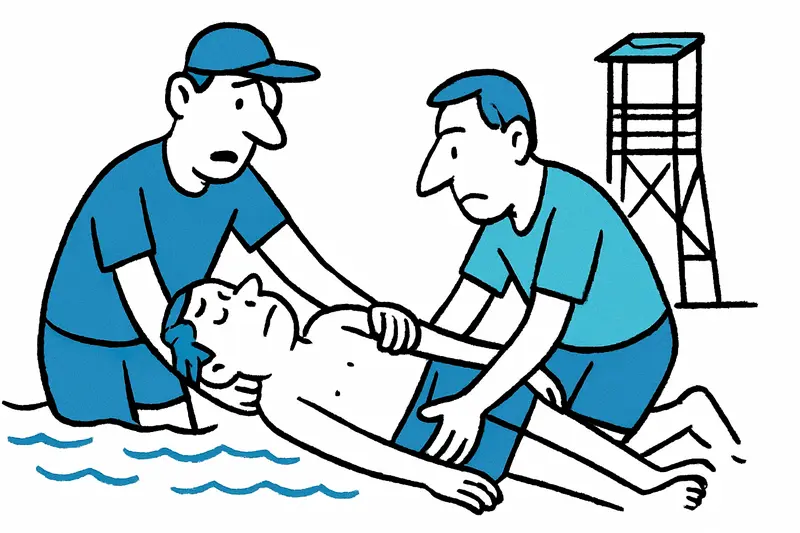
Magaluf: Watchtower Alarm – Lifeguards Pull Unconscious Beachgoer from the Water
After a drama in the late afternoon, two lifeguards at Magaluf beach rescued an unconscious 44-year-old man. He was stab...
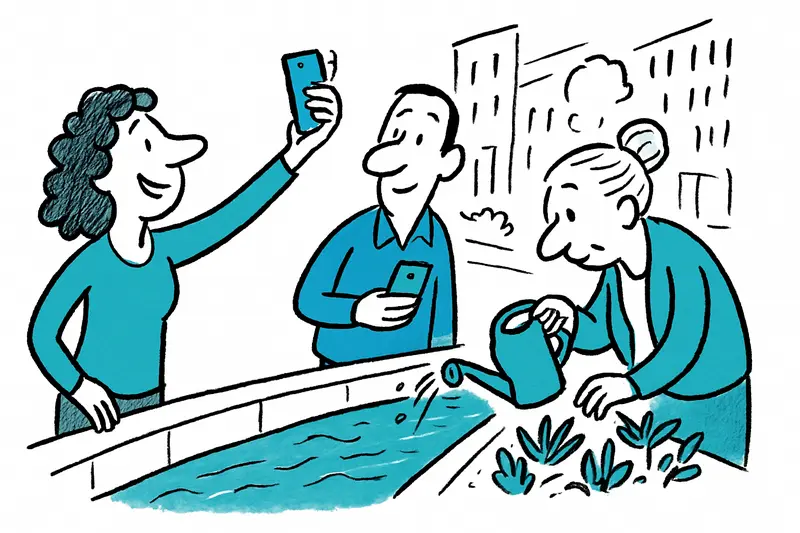
Turquoise in the City: How dangerous is the color play of the Sa Riera?
The Sa Riera in Palma suddenly turned turquoise — a pretty motif, but behind the effect lies a discharge of saline waste...

Jeckliner at Sunnesching: Cologne spirit sets sail from Palma
In September 2027 the Mein Schiff 2 briefly becomes a floating carnival stage: four days with Cologne bands, comedy and ...
Finally Home: Mike and Leyla Heiter Buy Villa with Sea View in Mallorca
The reality TV couple Mike and Leyla Heiter have bought a house in Mallorca with a roof terrace and sea view. An Instagr...
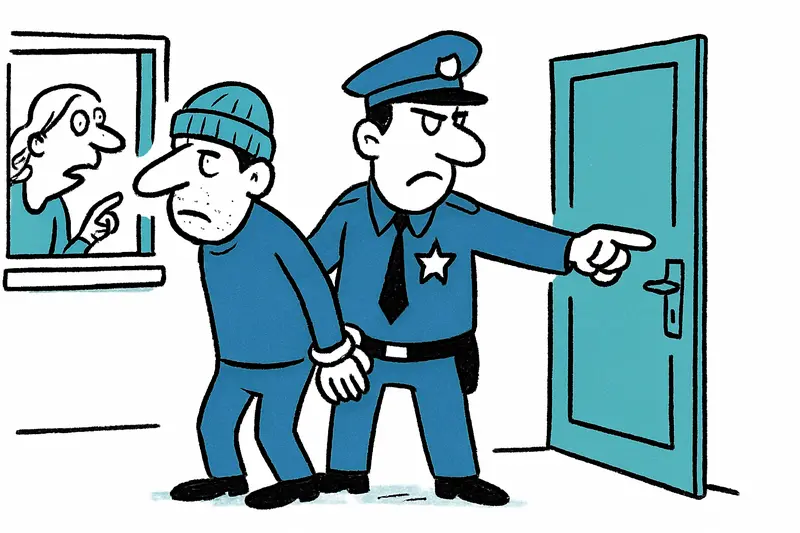
Arrest after series in Palma: Who protects apartments from repeat offenders?
The National Police arrested a man in Palma who investigators say may have broken into several apartments. In one incide...
More to explore
Discover more interesting content

Can Cap de Bou

Townhouse Lleo 72
