
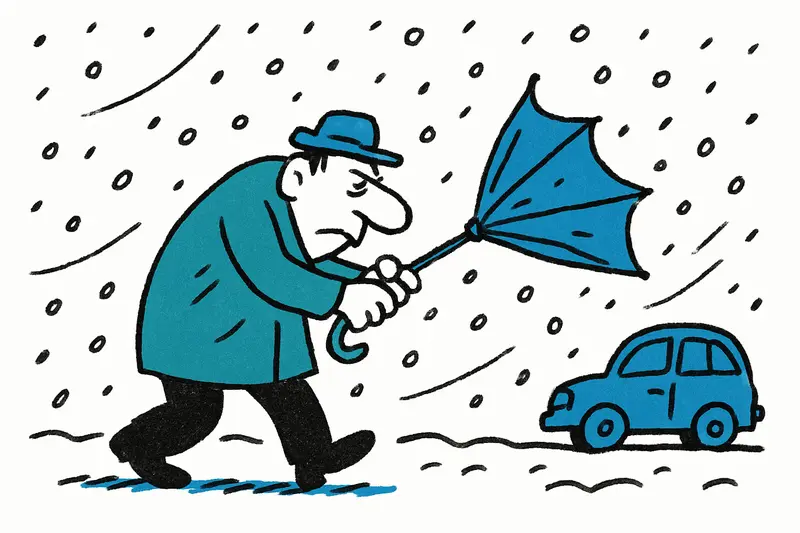
From Storm to Sleet: Why Mallorca's Weather Suddenly Becomes Dangerous Again
From Storm to Sleet: Why Mallorca's Weather Suddenly Becomes Dangerous Again
Aemet warns: Storm low 'Nils' brings onshore winds with partly hurricane-like gusts, followed by a temperature drop with rain and snow in the mountains. How well is the island prepared for these rapid changes?
From Storm to Sleet: Why Mallorca's Weather Suddenly Becomes Dangerous Again
Storm gusts up to 130 km/h, mild days before – and then rain, thunderstorms and in the mountains even snow: Aemet has issued clear warnings. How do residents, tourists and authorities react?
Key question: How well is Mallorca prepared for such rapid, severe weather swings – from a sunny day with 24 degrees to snowflakes on the Tramuntana peaks within a few days?
The national weather agency Aemet has raised warning levels for parts of the island: the storm low named "Nils" in reports generally brings gusts of 70–90 km/h, with local peaks of up to 130 km/h possible, as outlined in First storm warning, then sun: How well is Mallorca prepared for this changeable weather? Nights are currently unusually mild before temperatures drop by several degrees in the second half of the week and from Friday rain, thunderstorms and sleet can occur at higher elevations. In specific locations, models expect around 21 °C in Felanitx, 22 °C in Palma and Sa Pobla, while nighttime lows in Lluc could fall to around 7 °C.
Technically speaking. On the street it looks like this: on the Passeig Marítim the first cafés fold up their parasols later in the morning, boats are secured and moorings reinforced at the Port de Sóller pier, and walkers in the mountains grab thick jackets because the sun gives a deceptive calm. Such scenes have been typical in recent weeks: mild by day, rougher winds at night and along the coasts.
Critical analysis: The warnings arrive in time, but the challenge is local implementation. Aemet provides numbers and maps – but what use are they if scaffolding remains on exposed promenades, trees haven't been trimmed, or guests in holiday apartments receive no guidance on what to do in hurricane-force gusts, as highlighted in New Storm Front on Mallorca: How Prepared Are the Island and Its People? Communication to tourists quickly becomes a problem: many rent a car without winter tires, park under pine trees, or don't know where to turn in case of power outages or flooding.
Three things are notably missing in public discussion: first, clear, easy-to-understand instructions for short-notice evacuations of small coastal areas; second, situational reports from maritime areas – harbors and yachts are particularly vulnerable in strong winds; third, a focus on impacts for farmers and winter users in wind- and rain-exposed valleys.
Everyday example: At the Santa Catalina market yesterday I heard a vendor place her pots against a house wall and say, “If they don't secure them properly, the plants will fly across the market.” This is not an anecdote, it's practical risk management that is often missing when the conversation only revolves around degree numbers.
Concrete proposals so the island doesn't always just react:
1. On-site checks before warning levels: Municipalities should, when an orange warning is announced, work through priority lists within an hour: secure loose scaffolding, impose temporary parking bans under trees, close off seafront promenades.
2. Clear instructions for guests: Hosts and hotels could hand out a simple leaflet at booking: behavior during strong winds, emergency phone numbers for the municipality, location of nearest assembly points.
3. Proactively secure ports and marinas: Marina operators and watersports centers must check berths, recommend additional lines and move boats to safe basins when warnings repeat.
4. Roads and mountain passes: Road maintenance teams should coordinate early, have grit and de-icing materials ready, and rental agencies should display warnings about snow chains – especially in the Tramuntana heights where snow is possible, a point raised in North Storm and Cold Front: Are Mallorca's Roads and Trails Ready for the Winter Change?
5. Centralize communication: A central, multilingual information hub run by island authorities with live situation updates, clear recommendations and checklists would reduce many calls to emergency services.
Why this matters: wind gusts can throw roof tiles, signs and branches onto roads; heavy rain clogs drains and leads to local flooding, as examined in Storm Alert: Is Mallorca Prepared for the Deluge?; in the mountains, wet snow and sleet increase the risk of slippery trails. For people with mobility impairments, older residents in isolated houses and seasonal workers in greenhouses these are real dangers.
Conclusion: Aemet issues the warnings, the radar beeps – but the island must fill those warnings with concrete, local measures. That means not just putting up signs but cordoning off areas, informing harbor masters, instructing landlords and having road crews on standby. Anyone living in or visiting Mallorca this week should not rely on luck: the weather changes quickly, loud gusts can arrive without much notice and in the mountains a mild afternoon hike can easily turn into a slippery return. Being better prepared is safer – and a little less spectacular for the postcard photos, but real everyday protection for the people here.
Frequently asked questions
How dangerous is the current storm warning for Mallorca?
What should I do in Mallorca when strong winds are expected?
Can it really snow in Mallorca in autumn or winter?
Is it still safe to go hiking in the Tramuntana during changing weather in Mallorca?
What kind of weather changes should I expect in Mallorca this week?
What should boat owners do in Port de Sóller during a storm warning?
How does stormy weather affect everyday life in Palma and around Santa Catalina?
What should tourists in Mallorca know about storm safety?
Similar News
Urgent Clearing of Palma's Torrents: Flood Prevention or Symptom of Short-Sighted Planning?
The city of Palma is responding to storm forecasts and has cleared several torrents. We ask: Is the short-term clearing ...

Evaneos and Mexico: A Reality Check for Sustainable Travel
Travel advertising often reads like a promise: local, sustainable, unique. But how deep do these promises really go? A c...

From Megapark to the Altar: Party Singer Now Offers Weddings in Mallorca
A well-known party artist combines partying and marriage: instead of a traditional church there are ceremonies at the Me...

The Maricarmen Case: Why an Eviction Is Forcing Spain's Housing Debate
Images of an 87-year-old woman on a stretcher have sparked a debate in Spain that also runs deep in Mallorca. Who protec...
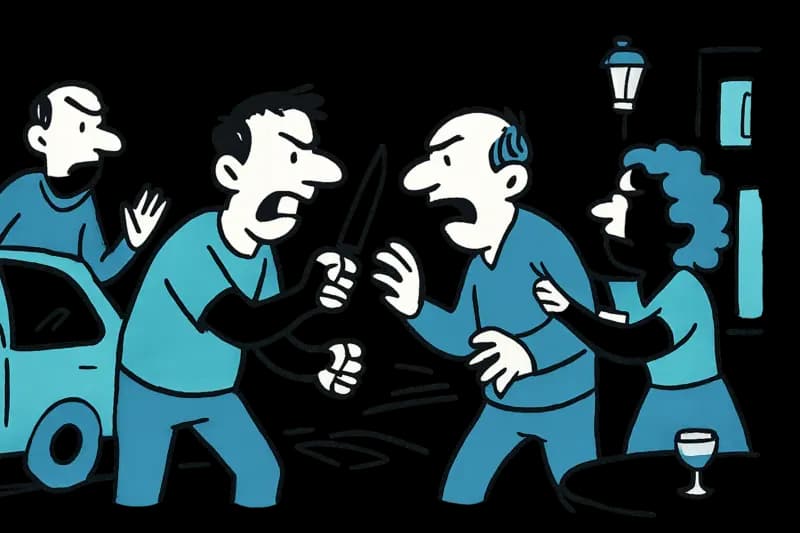
Parking dispute in Els Hostalets: When a gap leads to violence
A parking dispute on Calle Aragón escalated into a mass brawl at night. Why do trivial conflicts here turn bloody so qui...
More to explore
Discover more interesting content

Can Cap de Bou

Townhouse Lleo 72
