
Storm warning for all of Mallorca: What we know now — and what's missing
Storm warning for all of Mallorca: What we know now — and what's missing
AEMET has extended the warning level: gusts up to 90 km/h, three-meter-high waves and snow at higher elevations. A reality check: Who protects people, boats and the island's infrastructure?
Storm warning for all of Mallorca: What we know now — and what's missing
East wind freshens, AEMET expands warning area — time for practical precautions
The national weather service AEMET has raised the warnings for the island, as reported in Storm warning in Mallorca: Is the island prepared for wind and rain?: in the coming days, strong gusts are possible in places on Mallorca, locally up to 90 km/h, accompanied by high waves, especially along exposed coasts. According to the forecast, the snow line is initially around 1,200 meters and may drop to about 1,000 meters by evening.
Key question: How well are people, ports and transport routes prepared for such sudden wind attacks, and who ensures that information arrives early and comprehensibly, a matter examined in Severe Weather Warning for Mallorca: Are Our Towns and Beaches Prepared??
The sober figures from the measurement network predict one thing: after a cold night with ground frost in the south (in Campos down to 0 °C, Sa Pobla around 2 °C, in Artà, Petra, Son Servera and at the airport about 3 °C) the weather turns during the daytime. On Thursday locally 15 to 17 °C are expected, at the weekend 14 to 16 °C are realistic, with noticeably gusty east wind. On Saturday the warning is likely to apply to the whole island.
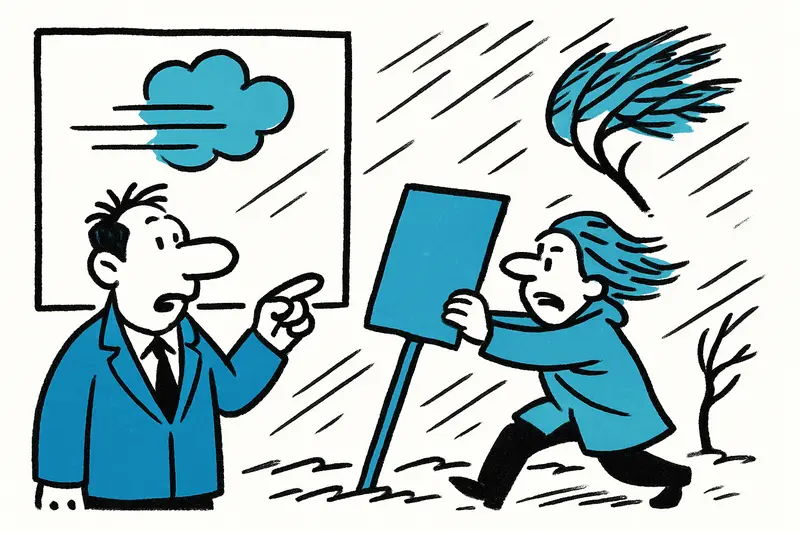
Critical analysis: The natural hazard is clearly described, but public discourse often lacks focus on the small, everyday weak points. Loose advertising signs on the Passeig Mallorca, unsecured roofs in old towns and poorly secured pleasure boats in small harbors are not newsworthy — until they are. Nor is it regularly discussed whether timetables, ferry connections and school routes are adjusted quickly in such warnings, as highlighted in Storm Alert: Orange Warning for North and Northeast — What Mallorca Residents Should Know Now.
A scene from everyday life: early in the morning at the Plaza de Cort you hear the first gusts rustling through the plane trees. Bicycles fall over, a street vendor hastily tightens her awning. In Port de Pollença mooring lines rattle, fishermen hastily check the fenders. Such images are familiar, but they also show: many only secure things once the wind has already caused trouble.
What is missing in public discourse: clear, graduated recommendations for residents and tourists, binding checklists for small harbors, regular inspections of municipal street furniture and quickly available notices to schools and commuters. Often communication remains technical and too brief: “Warning” without practical step-by-step advice is often of little use.
Concrete solutions that can take effect immediately: 1) Municipalities and harbors should publish standardized safety instructions: secure boats, fasten terrace furniture, inspect trees. 2) Local authorities could introduce a simple traffic-light mechanism — green (normal), yellow (secure, be careful), orange/red (restrictions) — and distribute it via social media, local radio and notices at harbors. 3) Schools and businesses need clear guidelines on when lessons and commuter traffic should be limited. 4) Short term: mobilize neighbors to secure vulnerable roofs and scaffolding; harbor masters should keep a list of particularly exposed boats.
For tourists and travelers: avoid promenaded coastal stretches during a severe warning, keep away from piers and rock edges, and do not park vehicles under trees. Boat owners should check moorings and fenders, and residents in higher areas should be aware of possible sleet situations.
Pointed conclusion: no hysteria needed, but respect the wind. AEMET provides the numbers, but city administrations, port authorities and neighborhoods must provide the action logic. With simple local routines much damage can be avoided — and the next stormy Saturday need not come as a surprise.
Frequently asked questions
What weather is expected in Mallorca during the storm warning?
Is it safe to go to the beach in Mallorca during strong wind warnings?
What temperatures are expected in Mallorca during the cold spell?
Will it snow in Mallorca’s mountains during the storm warning?
What should boat owners in Mallorca do before strong winds?
How should residents in Mallorca prepare for a storm warning?
What should tourists in Mallorca avoid during a strong wind warning?
Is Port de Pollença affected by strong wind and rough seas in Mallorca?
Similar News

More water than last year: Mallorca's reservoirs breathe easier
September rain refilled the Tramuntana's reserves: overall fill around 35 percent, Cúber at 40.42 percent, Gorg Blau at ...

Three Luxury Hotels in Banyalbufar: Lots of Money, Many Questions
A Danish investor plans three exclusive accommodations in Banyalbufar — including the historic Son Valentí. The announce...
2.1 tonnes of cocaine on sailing yacht off Spain's coast – a reality check for the coastguard
A 14-metre yacht was seized with 2.1 tonnes of cocaine. Who monitors the ports, how does the international hunt succeed ...

Heat Bonus in Mallorca: 100 Euros Extra for Outdoor Staff at MarSenses
MarSenses pays employees who worked outdoors in August an extra €100 as recognition. Lighter uniforms, reduced hours for...
Renovating in Mallorca: What You Really Can Do Without Neighbour Consent
Many think they can do whatever they want in their apartment. That's partly true — but only as long as structural elemen...
More to explore
Discover more interesting content

Can Cap de Bou

Townhouse Lleo 72
