
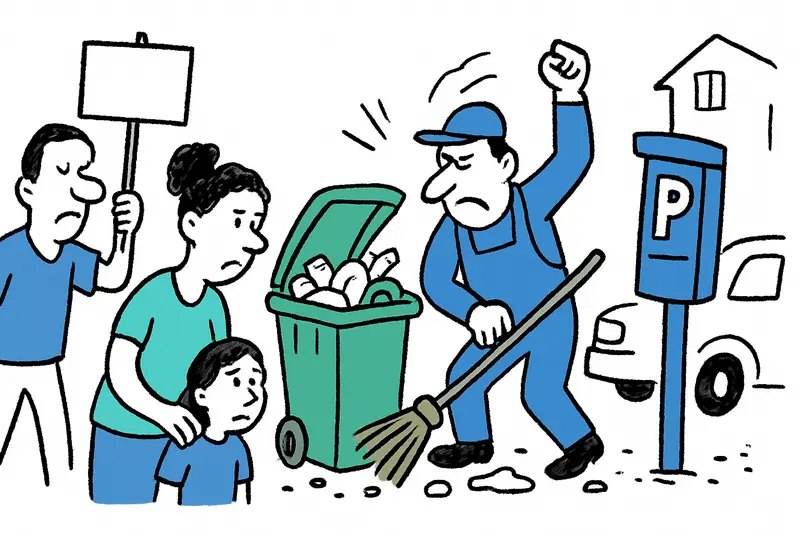
When the bins stay full: Strike in Soller paralyses cleaning, childcare and parking
When the bins stay full: Strike in Soller paralyses cleaning, childcare and parking
Since Monday evening, municipal cleaning in Soller has been at a standstill. An open-ended strike by the company Soller 2010 affects waste collection, childcare and parking management — in the middle of a heatwave. What now, asks the municipality.
When the bins stay full: Strike in Soller paralyses cleaning, childcare and parking
In Soller, where the scent of fried fish and the sea at the harbor normally defines the day, many tasks have been halted since Monday evening: employees of the municipal company Soller 2010 have gone on an open-ended strike, a scenario seen elsewhere, as in Strike paralyzes Palma's citizen offices — only emergency service at Plaça de Cort. Affected are not only street cleaning and waste collection (see Sóller rallies opposition to jump in waste fees), but also services parents rely on daily — childcare centers — and the management of public parking spaces. This is happening at a time when sun and temperatures on the island are especially harsh.
Key question
How can a clean, safe Soller be ensured without leaving the people who do this work in financial insecurity and at risk to their health?
Critical analysis
From the employees' perspective the demands are clear: better pay and more workplace protection. In April an agreement was signed that provided a 25 percent salary increase over three years — a rare, at-the-time celebrated success. Still discontent simmers: according to the union, the impression at the last arbitration talks was that management wanted to retract points already promised. Holiday pay, an official recognition of the climatic emergency and the publication of a corrected agreement are now being demanded.
On the other hand, the municipality finds itself in a dilemma: tourists and locals expect functioning infrastructure, especially in popular places like Port de Soller (see Sóller in Autumn: Everyday Life Between Tramuntana Idyll and Visitor Surge). When bins overflow, not only does the health risk rise — quality of life for residents and visitors falls as well. Supplying childcare is also a social factor: parents can only work if childcare is available.
What is missing in the public discourse
There is a lot of talk about demands and contrasts, too little about how concrete operational procedures can be safely organized under midsummer conditions. Practical protective measures are seldom the focus: heat plans, flexible shift schedules, additional water supplies for workers (see Sóller Turns Off the Tap: Pools Closed, Strict Water Restrictions), shaded areas at the depot or temporary supplements on particularly hot days. Nor is there open discussion about finance: where should money for better conditions come from — municipal budgets, collective bargaining outcomes or savings elsewhere?
Everyday scene from Soller
In the early afternoon people with balloons can be seen on the Paseo and boatmen on the quay tending their nets. On Plaça Street a bakery releases the scent of fresh ensaimadas, while only a few meters away green bins are already overflowing. A tourist pauses, wrinkling his nose; a mother has to pick up her child from the childcare center because care is temporarily not guaranteed. The parking meters on the promenade are out of service, cars search the narrow streets — the sound of ball bearings and the clicking of parking barriers is missing. Heat hangs in the air; you can feel why workers demand protection from the sun.
Concrete solutions
The situation requires short-term measures and medium-term agreements:
Short term: The municipality should activate an emergency plan: temporarily commission private disposal companies, set up collection points with additional containers and prioritise areas around childcare centers and the harbor. Mobile drinking stations and shade tents for staff are simple, quickly implementable measures that reduce health risks. Parking management can be relieved by temporary parking attendants and clear signage.
Medium term: Binding regulations for compensation for work in heat, clear duty rosters with heat breaks, a written rule on holiday pay and the publication of the corrected agreement in the official gazette would build trust. The municipality should check whether municipal reserves or grants can be used to implement occupational safety measures. It is also worthwhile to hold a dialogue with neighboring municipalities about joint service models to share costs.
At the institutional level: More transparency in the negotiation process is needed. Employees, administration and citizen representatives could be involved in a moderated round of talks with clear deadlines. Recognition of the so-called climatic emergency for outdoor workers should not be merely symbolic but linked to concrete provisions for working hours and protective clothing.
Conclusion
Soller stands at a crossroads: the island's economy depends on guests and functioning infrastructure; the people who maintain that infrastructure must be treated fairly. A climate that subjects workers to health risks in high summer requires concrete protection rules and reliable wages. Without both, every summer heatwave will sooner or later again lead to full bins, stressed parents and chaotic parking. The solution is not simply toughness — neither from management nor from the municipality — but binding, immediately implementable measures and an open negotiating framework. Soller can stay clean if those who hold the broom are not left in the shade.
Frequently asked questions
How do municipal strikes affect essential services in Mallorca towns?
How does a strike affect Port de Soller's waste collection, childcare, and parking?
What short-term measures can Mallorca towns take to cope with heat and service gaps?
What long-term protections are discussed for outdoor workers in Mallorca during hot summers?
What does the strike mean for tourists and residents in Port de Soller?
What should families in Mallorca know about childcare during disruptions?
What are the wage and protection demands facing Mallorca’s municipal workers?
Are there plans to fund and coordinate services across Mallorca towns to weather summer heat?
Similar News
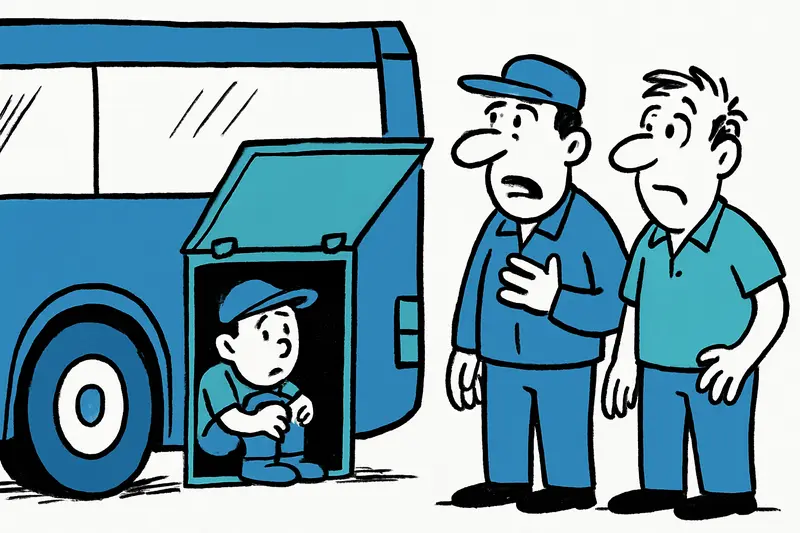
Unnoticed in the Luggage Compartment: How a Boy Traveled More Than 100 Kilometers in a Team Bus
A minor traveled in the undercarriage of a team bus for more than 100 kilometers until his cries for help were heard. A ...

Cap Vermell Grand: Second Michelin Key – a Gift for the East
The Cap Vermell Grand in Capdepera has been awarded its second Michelin key. For the region this elevates the luxury off...
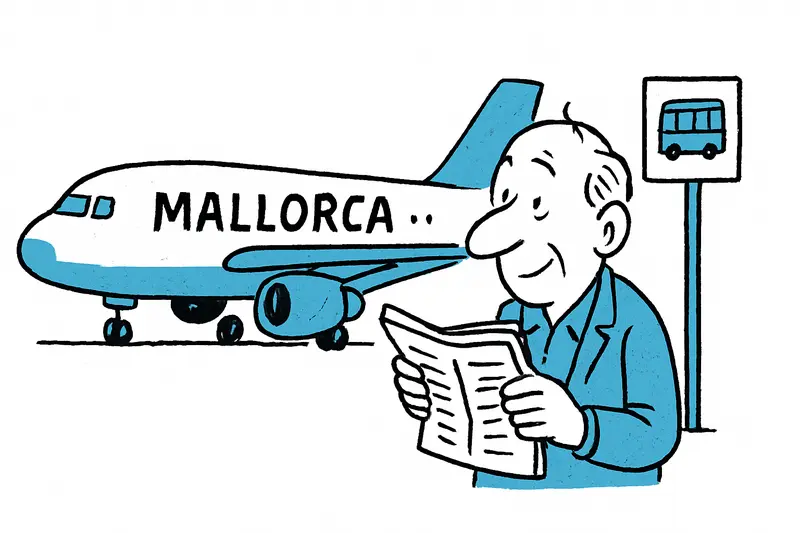
Eurowings lets four aircraft carry names – a friendly idea that also reaches Mallorca
Eurowings is launching a campaign: four Airbus A320s are to carry the first names of people who help others in everyday ...
From the Reality Studio to the Pitch: Aleks Petrovic Makes Mallorca His Base
The former participant in numerous TV shows moves from Dubai to the island and launches a project with FC Germania Mallo...

When the Phone Falls Silent: Concern for Sarah Joelle in Mallorca — and What It Reveals
After days without a response, the TV personality's unreachability in Mallorca sparked concern. Shortly afterwards an al...
More to explore
Discover more interesting content

Can Cap de Bou

Townhouse Lleo 72
