
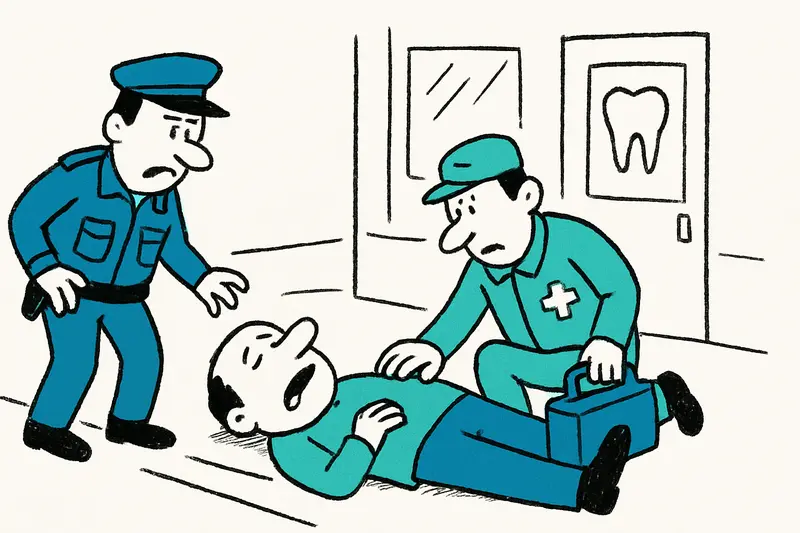
Sudden Death in Inca: Walk Ends in Front of Dental Clinic – Everything Points to Heart Attack
A 57-year-old man collapsed on Gran Vía Colom in Inca and died at the roadside. The Guardia Civil cordoned off the area; paramedics could only confirm death. What does this say about emergency preparedness and traffic safety in the town?
Sudden Death in Inca: Walk Ends in Front of Dental Clinic – Everything Points to Heart Attack
What happens when someone collapses in the middle of the city?
On Monday at midday the quiet activity on Gran Vía Colom in Inca was abruptly interrupted: a 57-year-old man, who reportedly was taking a walk, suddenly felt unwell and collapsed near a dental clinic, just a few metres from a pedestrian crossing. Passers-by alerted emergency services; a Guardia Civil patrol managed traffic and cordoned off the scene. Paramedics could only confirm the death; initial findings point largely to a heart attack. An autopsy is planned in the coming days at the Institute of Forensic Medicine in Palma.
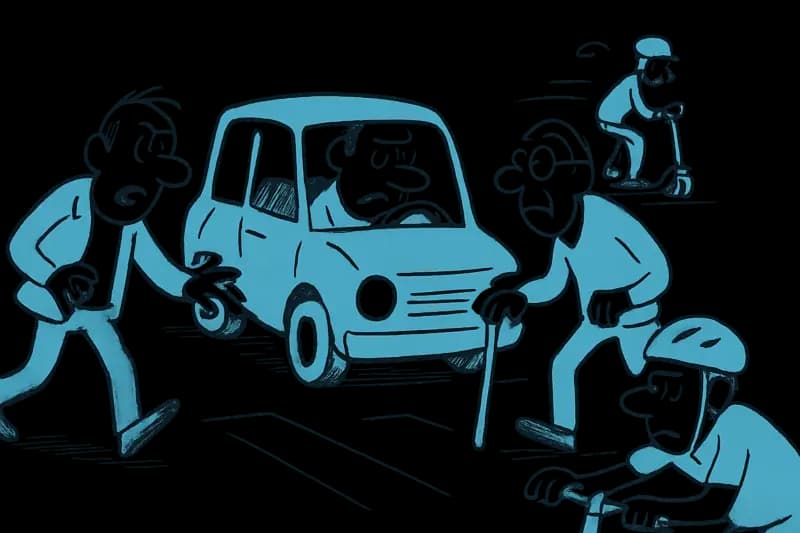
The scene was typical for a small town centre in the late morning: delivery vans stopping, the smell of fresh coffee from a café, and the church bell quietly marking the quarter hour. Traffic noise mixed with the voices of people trying to help. Some drivers realised the situation too late and, while attempting to brake or swerve, struck the area where the man lay; this further complicated the rescue efforts.
Main question: How well is our town really prepared for sudden medical emergencies? A death in a public street always feels like a brutal reminder. It shows how dependent life is on rapid assistance, visible infrastructure and the behaviour of road users.
Critical analysis: In recent years in Mallorca we have had more public debate about tourism and urban development than about basic issues such as the widespread availability of defibrillators or systematic first-aid training for shops and hospitality. In places like Inca, where the town centre is busy with locals and a few tourists during the day, there is a lack of clearly visible, easily accessible AED devices. In addition, many street sections are still designed so that ambulances lose time due to narrow delivery zones or sudden traffic chaos. That a medical emergency happened right at a pedestrian crossing is bitter: crossings are considered safer spaces – but safety is relative when first responders hesitate or vehicles do not stop quickly enough.
What is missing from public discussion: the debate often stops at expressions of regret and ends with “that was very tragic”. It almost never progresses to questions of concrete prevention. Why do we so rarely hear about systematic first-responder courses in schools, local initiatives to install AEDs in front of clinics and along shopping streets, or regular rescue drills with bus drivers and delivery services? And: how are emergency calls prioritised in more rural parts of the island when multiple incidents occur at the same time? Similar incidents have been reported elsewhere, such as Sudden death at Balneario 2: What the incident in Arenal reveals about our emergency preparedness, Cardiac Arrest on Can Picafort Beach: Questions Remain and Ideas for the Future and Cardiac Arrest While Swimming in Colònia de Sant Pere: A Death and the Question of Prevention.
Everyday observation from Inca: on a Tuesday midday near Gran Vía Colom you see merchants putting shoes out in the sun – a relic of the town's old shoe industry – young parents with prams, pensioners with newspapers. People know each other and greet one another. This neighbourhood closeness can be an advantage: often it is passers-by who could save lives with simple measures – if only they knew how.
Concrete solutions:
- Expand AED network: Every busy street, market hall and larger practice should have a publicly accessible defibrillator. Visible signs and GPS registration help locate the device quickly.
- On-site training: Free 90-minute first-aid workshops for shop owners, bus drivers, delivery workers and residents. Practical exercises rather than dry theory increase the willingness to intervene.
- Improve rescue access: For city traffic on narrow streets like Gran Vía Colom, delivery times should be channelled and emergency corridors kept clear. Simple, locally agreed parking and delivery management reduces delays for emergency vehicles.
- Make pedestrian crossings safer: More lighting, increased visibility, clearer road markings and, where appropriate, crossing aids with speed reduction measures near sensitive points like clinics help buy critical seconds.
- Strengthen emergency-call communication: Clear instructions in public areas on how to place an emergency call correctly (location, condition, age, breathing) shorten response times and improve the preparedness of rescue teams.
These measures cost money and organisation – but they are manageable and reduce the risk that a single incident becomes a fatal chain of circumstances.
Concise conclusion: The death of the 57-year-old on Gran Vía Colom is more than just sad news; it is a mirror. It shows where interfaces are missing: between everyday life and emergency medicine, between traffic and rescue services. Inca is not an anonymous big city; people know each other – and that network could be used to turn grief into action. Whoever closes their eyes today should at least have a plan tomorrow: more AEDs, more training, clearer traffic rules at critical points. That would not change the memory, but it would increase the chances that the next collapse is not fatal.
Frequently asked questions
What should you do if someone collapses in public in Mallorca?
Are defibrillators easy to find in Mallorca town centres?
Why do pedestrian crossings still matter for safety in Mallorca?
How can shops and cafés in Mallorca be better prepared for a medical emergency?
Is Inca easy for ambulances to reach in an emergency?
What is the best time of year for walking in Mallorca?
What should you carry on a walk in Mallorca during warm weather?
Can a heart attack happen suddenly while walking in Mallorca?
Similar News

"Expensive chaos" and many open questions: What clients can do when a lawyer suddenly stops responding
Several clients complain that a well-known German lawyer in Mallorca has been unreachable for months. Key question: What...
TV tip: 'The Last Problem' — Mallorca as the setting of a classic crime
A classic whodunit on Mallorca: A new miniseries set in spring 1959 brings storm, an isolated hotel and a dense web of s...
Nipping Sea Creatures: Why Bathers in Cala Major and Elsewhere Should Be Cautious
In Cala Major, bathers have reported being nipped by small fish. What is behind it, how can problems be avoided — and wh...
Forced eviction in Santa Catalina: When a 65-year-old slept in her car and showered on the beach — a question of responsibility
The story of Pilar López from Santa Catalina represents a problem affecting many Mallorcans: How can an island with a bo...
New traffic rules from October 1: What Mallorca visitors and locals need to know
From October 1, 2026, Spain will implement far-reaching changes to traffic regulations. Important for Mallorca: greater ...
More to explore
Discover more interesting content

Can Cap de Bou

Townhouse Lleo 72
