
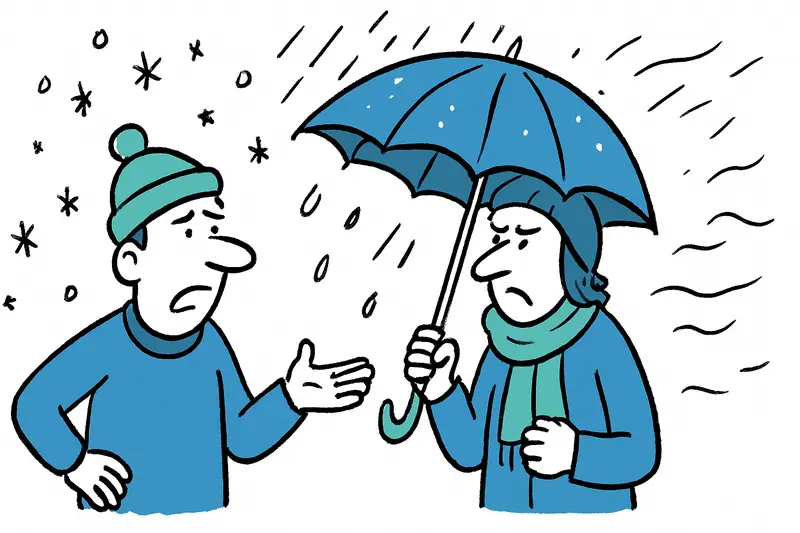
Suddenly winter again: How well is Mallorca prepared for the cold snap?
After spring-like days, rain, strong winds and even snowfall in the mountains are possible. A critical assessment: what locals and visitors should know and do now.
Suddenly winter again: How well is Mallorca prepared for the cold snap?
A sharp change in the weather brings rain, fresh wind and snow at higher elevations - time for a reality check
Key question: Are island residents, businesses and holidaymakers in Mallorca prepared when spring sunshine turns back to winter within days?
The facts as they currently stand: after a mild weekend, Aemet forecasts wet-cold days, with a calmer interlude on Tuesday and Wednesday, but then rain and falling temperatures again. Widespread rain is forecast for Thursday, and on Friday the snow line could fall to around 900 meters; the coming weekend will also remain changeable and cool. Official severe weather warnings have not been issued so far (see Cold snap in Mallorca: Is the island really prepared?).
Sounds harmless? Not necessarily. On Mallorca, such rapid changes can have significant local consequences. The Serra de Tramuntana, where Puig Major and the reservoirs are located, is prone to sudden snowfalls; recent coverage such as Storm, Rain, Maybe Snow: How Well Is Mallorca Prepared for the November Low? highlights the area's vulnerability. On the coastal roads, strong northeasterly winds quickly cause spray and wet road surfaces; temperatures drop noticeably in the mornings and evenings.
Critical analysis: Two things stand out to me when I walk through Palma and talk to people. First: many people plan their week around the sunny Tuesday - and that's fine - but they underestimate how quickly repeated rain and wind affect roads, construction sites and small businesses. Second: public information is available (Aemet), but in everyday reality the link to practical precautions is often missing: When does the municipality bring café tables inside? Who secures construction sites in narrow streets? Which roads are prone to standing water?
What is missing from the public discourse: clear guidance for different target groups. Tourist providers, commuters, farmers and small shop owners need concrete, short checklists - not just the expectation 'it will get colder'. Many texts repeat the weather situation; what is less discussed are traffic instructions, opening hours of emergency services, storage capacities for sandbags or emergency plans for rural areas.
An everyday scene: In front of the café on Plaça Cort the chairs are still outside, customers with espresso cups looking at grey clouds. A taxi driver on Paseo Mallorca pulls a tarpaulin over his luggage compartment, an older woman pulls her jacket tighter. Such images show that adaptation often happens improvisedly - and that is not always enough; local reporting such as First storm warning, then sun: How well is Mallorca prepared for this changeable weather? documents similar improvised responses.
Concrete, immediately actionable suggestions:
For households: Check gutters and downpipes, secure balcony plants and garden furniture, prepare a small emergency bag with warm clothing. If you live in higher locations: check snow equipment and keep de-icing grit or salt on hand.
For drivers: Check tyre tread, drive more slowly in wet conditions, keep distance. Bear in mind: fog and spray on coastal sections reduce visibility and grip.
For businesses and hospitality: Clear outdoor areas in good time, have a plan B for indoor seating, briefly check supply chains (especially for small producers from higher elevations).
For municipalities and event organizers: Establish short-term information loops (local SMS/WhatsApp channels), prioritize vulnerable stretches for street cleaning, provide coordinated notices for trails in the Tramuntana where snow or mud may pose hazards.
Those particularly affected: farmers in mountain areas, outdoor workers, tourists with outdoor plans. Tip for daytrippers: Tuesday and Wednesday are the days for outings - but check the Aemet forecast and local notices before you set off, especially if you plan to go to higher elevations.
Concise conclusion: Mallorca is not facing a continental shock, but the island knows the small pitfalls of abrupt weather. What is missing is less panic, more practice: clear, locally tailored information and simple preparation rules. If municipalities, businesses and residents act quickly now - secure rain barrels, store outdoor furniture, adjust work schedules - trouble and danger can be avoided. And for everyone: check Aemet regularly and keep torches and warm shoes ready. A quick look out the window, a short call to your organizer - and the week remains planable, even if the thermometer slides back a bit.
Frequently asked questions
Is Mallorca likely to get cold again after a mild spell in spring?
What should I pack for Mallorca when the weather turns wet and windy?
Can you still swim in Mallorca when the weather changes suddenly?
What kind of weather changes affect Mallorca roads most?
Is the Tramuntana in Mallorca at risk of snow when temperatures drop?
How should cafés and small shops in Mallorca prepare for rainy days?
What should commuters in Mallorca do when it gets windy and wet?
Which days are better for outdoor plans in Mallorca during a cold snap?
Similar News
More water than last year: Mallorca's reservoirs breathe easier
September rain refilled the Tramuntana's reserves: overall fill around 35 percent, Cúber at 40.42 percent, Gorg Blau at ...
Three Luxury Hotels in Banyalbufar: Lots of Money, Many Questions
A Danish investor plans three exclusive accommodations in Banyalbufar — including the historic Son Valentí. The announce...
2.1 tonnes of cocaine on sailing yacht off Spain's coast – a reality check for the coastguard
A 14-metre yacht was seized with 2.1 tonnes of cocaine. Who monitors the ports, how does the international hunt succeed ...
Heat Bonus in Mallorca: 100 Euros Extra for Outdoor Staff at MarSenses
MarSenses pays employees who worked outdoors in August an extra €100 as recognition. Lighter uniforms, reduced hours for...
Renovating in Mallorca: What You Really Can Do Without Neighbour Consent
Many think they can do whatever they want in their apartment. That's partly true — but only as long as structural elemen...
More to explore
Discover more interesting content

Can Cap de Bou

Townhouse Lleo 72
