
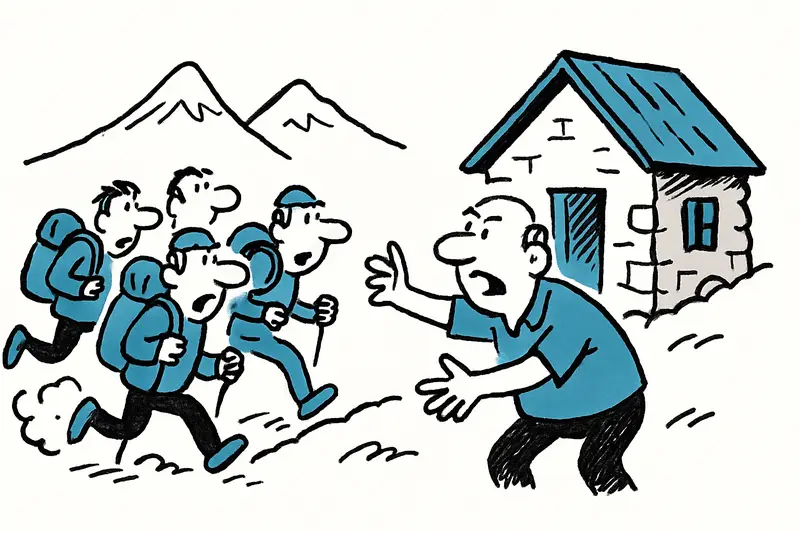
Surge in mountain huts: Mallorca between nature boom and overload
Surge in mountain huts: Mallorca between nature boom and overload
Overnight stays in the state-managed refuges have more than doubled within four years. The numbers show opportunities — and growing pressures on infrastructure, the environment and local communities.
Surge in mountain huts: Mallorca between nature boom and overload
Key question
Who is responsible for ensuring that the hut boom on Mallorca does not destroy the landscape, the tranquillity of neighbouring towns and the workload of the administration?
What the numbers reveal
In the refuges run by the Institut Balear de la Natura (IBANAT), demand has multiplied in a short time, according to a report that tourism reservations rose by about 15%: from around 4,314 overnight stays in 2021 to 10,797 in 2025. 87 percent of bookings come from people living on the island. At the same time, the authorities report 35 designated recreation areas with roughly 300,000 users in total and two campsites in Lluc with about 28,000 visitors. For 2026, more than 12,000 additional overnight stays are expected thanks to new huts — including Betlem 1 (already open), Betlem 2, Can Cano (Mondragó) — as well as the recommissioning of s'Alzina and Gorg Blau, as detailed in a report on the reopening of the seven public refuges in the Serra de Tramuntana.
Critical analysis
At first glance this is good news: people want to be outdoors, not just by the pool, and many visitors are choosing vacation apartments over hotels. At the same time the system is reaching its limits. More overnight stays mean more maintenance effort, more waste and greater staffing needs — exactly what IBANAT director Bartomeu Llabrés has acknowledged. There are also weather-related restrictions: in 2025 huts and campsites were closed or reservations cancelled at least 13 times due to orange warnings. Safety, capacity and maintenance are therefore not only logistical but also financial issues.
What has been missing in the public discourse
The numbers are often highlighted, but less frequently discussed is how the costs should be shared — between the regional government, municipalities and users. There is a lack of honest discussion about carrying capacities: how many overnight stays are compatible without endangering trails, springs and tranquillity? How should local residents be relieved when parking in mountain villages is full early in the morning and waste is left in the wrong places? And who will monitor vandalism and overnighting rules in the long term?
An everyday scene
Early in the morning, before the beach cafés have opened, hikers roll their backpacks along the Sóller bus station. A couple in waterproof jackets quickly orders coffee before setting off with poles toward the Barranc de Biniaraix. At the same moment a car with a licence plate from the island's interior squeezes into a narrow village street — only one space remains. These small moments show: nature is being used more intensively, and small towns feel the effects directly.
Concrete solutions
1) Transparent capacity limits: Each hut should have clear maximum occupancies and seasonal limits published. Booking systems must take this into account so that sudden surges do not overwhelm infrastructure.
2) Have users finance maintenance: A small overnight fee or mandatory deposit, earmarked for repairs, waste removal and staff, would help cover ongoing costs and make it possible to sanction misconduct.
3) Education and local stewardship: Short on-site environmental briefings (e.g. mandatory digital information when booking) and voluntary sponsorships with municipalities can reduce waste and vandalism.
4) Improve weather and safety management: Linking IBANAT reservations with AEMET warnings and clear cancellation rules prevents risky stays. Mobile response teams for quick repairs after storm damage (as after the storm that hit Gorg Blau) shorten downtime.
5) Strengthen cooperation: Municipalities, rescue services and tourism authorities must negotiate participation and financing models — so that the costs do not fall on a single institution.
Conclusion
Having more people outdoors is an asset for the island — but without consistent rules, transparency and funding, Mallorca risks destroying what many are looking for: the landscape and the sense of deceleration. Growth can be managed: with clear figures, fairly distributed financing and a good measure of community spirit.
Frequently asked questions
Why are mountain huts in Mallorca getting so popular?
Is it still possible to book a refuge in Mallorca if I want to hike overnight?
What should I pack for a night in a Mallorca mountain hut?
Are Mallorca mountain huts open all year?
What is happening in Betlem with the new mountain huts?
Why is the Serra de Tramuntana feeling more crowded with hikers and overnight visitors?
How do weather warnings affect mountain hut reservations in Mallorca?
Who pays for the upkeep of Mallorca’s mountain huts and campsites?
Similar News

Rental Car Theft in El Arenal: What This Incident Reveals About Our Gaps
A teenager steals a running rental car in El Arenal, flees on foot, climbs over walls and is caught by the Guardia Civil...

Red Rope in Palma's Library: What Helps Against Selfie Tourism — and What's Missing
Palma's city library cordoned off an area with a red rope to keep selfie tourism away from reading and working activitie...

Fort San Carlos: Museum, Harbor Dispute — and a Conflict That Demands Answers
The military museum at Fort San Carlos sits right on Palma's harbor, with unexpectedly quiet rooms filled with cannons a...
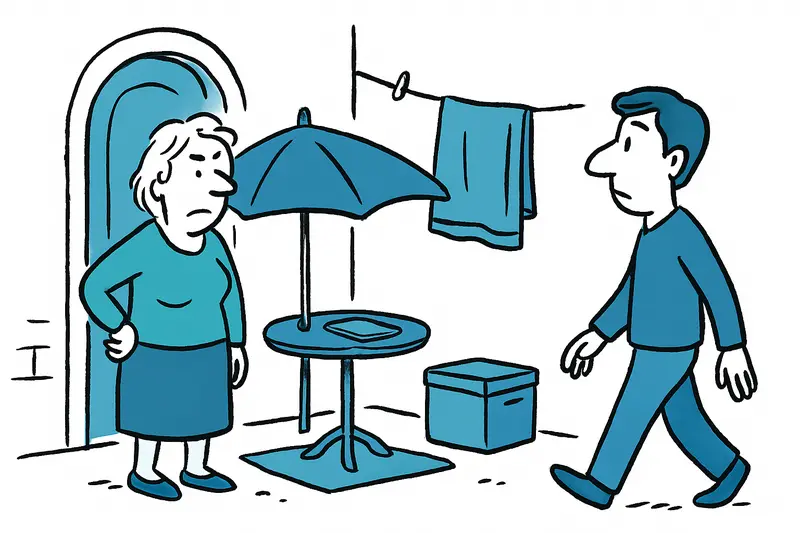
Old Town Under Pressure: When a Doorway Becomes a Sleeping and Shower Place
For months a woman has been living with a parasol, a clothes rack and personal belongings next to the social welfare off...
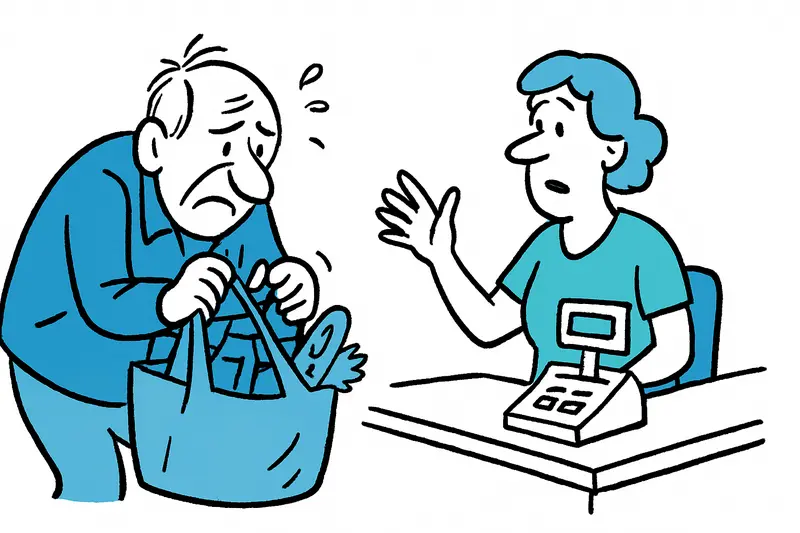
When Shopping Weighs Heavier: Mallorca Demands a Tax Pause on Food and Fuel
Rising prices are putting pressure on households and agriculture. The Balearic Islands are calling for temporary tax rel...
More to explore
Discover more interesting content

Can Cap de Bou

Townhouse Lleo 72
