
El Niño on the Way: What Mallorca Really Faces — and What Must Happen Now
El Niño on the Way: What Mallorca Really Faces — and What Must Happen Now
WMO probability, RiscBal preparations and the travel industry's concerns: A reality check on whether Mallorca will be hit by extreme heatwaves this summer.
El Niño on the Way: What Mallorca Really Faces — and What Must Happen Now
Key question: Does the developing El Niño phenomenon make Mallorca more vulnerable to extreme heatwaves this summer — and are we prepared?
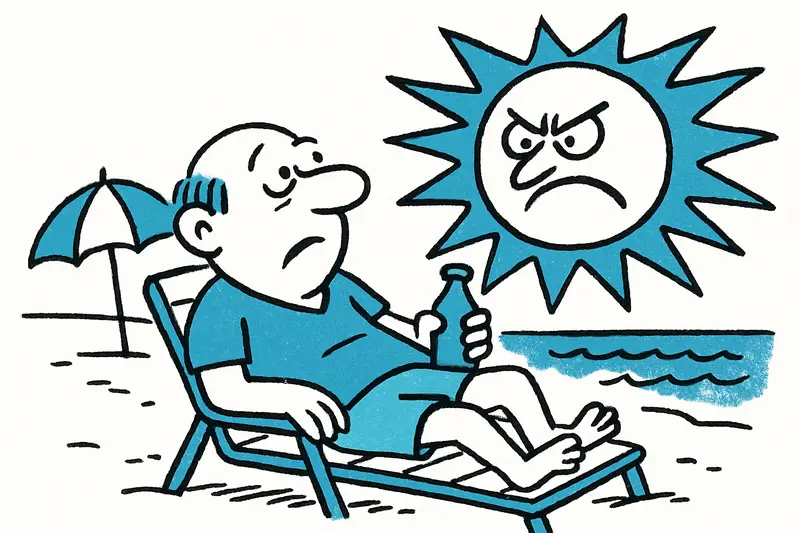
The World Meteorological Organization estimates the chance of an El Niño event between May and July at around 40 percent; local experts see the probability even higher toward mid-summer. On the island, few people like to say that out loud: nobody wants to lie on the beach and think about heat plans or bookable "cool places." Still, we should ask openly: How realistic are severe heatwaves in Mallorca, and what would that mean for people, agriculture and tourism?
In short: the possibility exists, but it is not the end of the world — it is a wake-up call. El Niño statistically increases the odds of higher air temperatures in Europe. At the same time, recent island history shows that extremely hot summers are possible even without El Niño (see 40 Degrees This Weekend: Mallorca Faces a Heat Test – What Matters Now). The combination of higher daytime and nighttime temperatures, high humidity in coastal zones and hot nights is dangerous because it removes the ability for people to cool down at night and thus prevents recovery.
Critical analysis: The debate often revolves around peak values — 36 °C yellow, 39 °C orange, 42 °C red — and headlines about record figures. That is important but misleading if it stands alone. For health, not only the daily maximum matters, but also the nightly minimum temperature, the duration of a heat period and the combination with high humidity. RiscBal is already working to integrate relative humidity into local warning systems and to measure heat stress in densely populated areas. That is good — but implementation still lacks clear municipal plans, enough staff and the involvement of private sectors like hotels or agriculture, as discussed in When Mallorca Cooks: How Prepared Is the Island for the Next Heatwave?.
What is missing from the public discourse: three things stand out. First: nighttime cooling as its own source of danger. Second: concrete operational plans for hotels, fincas and businesses — it is not enough to announce warning levels; coordinated measures are needed (working hours, cold-storage rooms, emergency water resources). Third: the situation of seasonal workers and older residents in city centers — they often live without air conditioning in heat-sensitive apartments.
An everyday scene from Palma: a Tuesday morning on the Passeig Mallorca. Delivery vans honk, cafés fill up, and an older man sits as usual on the bench in front of the cathedral, a plastic water bottle in his hand. The sun does not yet sting, but the smell of fried fish mixes with the salty note from the harbor. In streets like these the consequences of a heatwave are decided: who leaves their home, who stays inside without air conditioning, who works on construction sites or delivers parcels? These small decisions quickly add up to a health and organizational problem.
Concrete solutions that should be implemented now:
1) Sharpen early warning systems: Expand RiscBal further, install sensors in urban heat islands and distribute warnings not only to authorities but directly to the public, hotels and agricultural operations.
2) Adjust warning thresholds: Integrate relative humidity and nightly minimum temperature into the traffic-light systems so that warnings reflect actual strain.
3) Cooling infrastructure and “cooling centers”: Create municipal climate-safe spaces (libraries, swimming pools, sports halls), provide transport options for older people and extend free opening hours during prolonged extreme periods.
4) Work and tourism rules: Adjust outdoor working hours, require hotels and organizers to have heat plans (cooling areas, drinking water stations, flexible check-in/out times), and run information campaigns for guests on how to behave in heat.
5) Water and energy planning: Emergency reserves, energy storage for critical infrastructure and prioritization of power supply for hospitals and cooling systems.
6) Greening the urban profile: Trees, shading on promenades and reflective roof colors reduce urban heat islands — this takes time, but initial measures can be implemented quickly.
For the island economy this means: act pragmatically in the short term, and adapt structurally in the medium and long term. Tour operators are already worried about bookings because guests report loss of comfort. Instead of panic, clear rules and honest information are better: guests accept adaptations when they are safe, well organized and well communicated.
Concise conclusion: El Niño is not a crystal-clear forecast of catastrophe, but it is a reason not to prepare for heat events half-heartedly. Whoever strolls the promenades of Palma or visits the market in Santa Catalina in the morning senses the first harbingers in everyday life — and with clear local measures the summer can be made easier. If administration, health services, hotels and neighborhoods cooperate now, Mallorca remains liveable — even if temperatures rise.
Frequently asked questions
Does El Niño make Mallorca summers hotter?
What makes a heatwave in Mallorca dangerous at night?
When is Mallorca most at risk of extreme heat?
What should hotels in Mallorca do to prepare for heatwaves?
What can Mallorca do to protect older people during extreme heat?
How does a heatwave affect workers in Mallorca?
What is RiscBal and why does it matter in Mallorca?
What can visitors in Palma do during a heatwave?
Similar News
Rental Car Theft in El Arenal: What This Incident Reveals About Our Gaps
A teenager steals a running rental car in El Arenal, flees on foot, climbs over walls and is caught by the Guardia Civil...
Red Rope in Palma's Library: What Helps Against Selfie Tourism — and What's Missing
Palma's city library cordoned off an area with a red rope to keep selfie tourism away from reading and working activitie...
Fort San Carlos: Museum, Harbor Dispute — and a Conflict That Demands Answers
The military museum at Fort San Carlos sits right on Palma's harbor, with unexpectedly quiet rooms filled with cannons a...
Old Town Under Pressure: When a Doorway Becomes a Sleeping and Shower Place
For months a woman has been living with a parasol, a clothes rack and personal belongings next to the social welfare off...
When Shopping Weighs Heavier: Mallorca Demands a Tax Pause on Food and Fuel
Rising prices are putting pressure on households and agriculture. The Balearic Islands are calling for temporary tax rel...
More to explore
Discover more interesting content

Can Cap de Bou

Townhouse Lleo 72
