
Suspected car thief in Palma: Around 40 vehicles affected in Camp Redó and Cas Capiscol
Suspected car thief in Palma: Around 40 vehicles affected in Camp Redó and Cas Capiscol
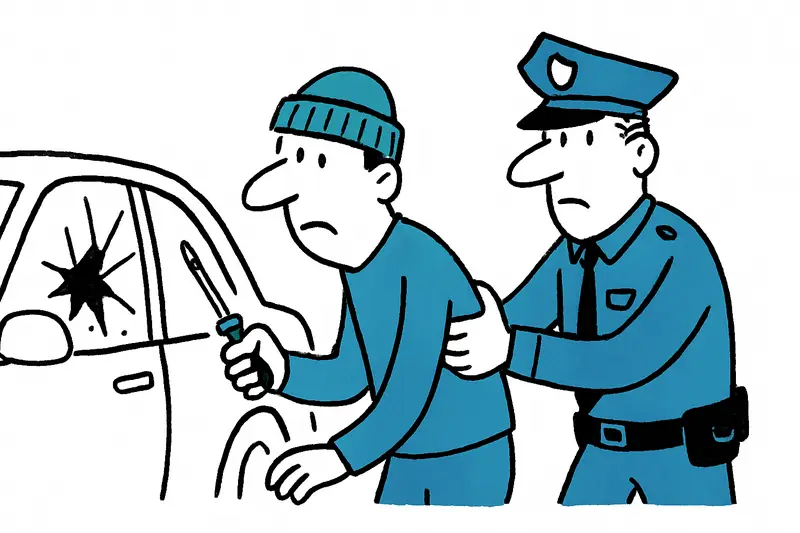
A man is alleged to have smashed numerous car windows in Palma with a screwdriver and searched around 40 vehicles. He was arrested after tips from residents and is now in pretrial detention.
Suspected car thief in Palma: Around 40 vehicles affected in Camp Redó and Cas Capiscol
Arrest after tips from residents — suspect allegedly used a screwdriver and stole a bank card
In the early hours of 1 June 2026, a report came in: a man was arrested in Palma whom police accuse of multiple break-ins of parked cars. The incidents reportedly took place mainly in the neighborhoods of Camp Redó and Cas Capiscol. According to initial information, the windows of about 40 vehicles were smashed; police say a screwdriver was used as the tool. A bank card was stolen from at least one car and apparently used shortly afterwards. The suspect was apprehended following tips from residents and is now in pretrial detention.
Key question: How is it possible that a single suspect could break into around 40 cars over an extended period in densely populated neighborhoods without being stopped earlier?
The images from such situations are familiar: staggered rows of parked cars along shady streets, residents carrying on behind curtains. In Camp Redó, not far from views of the Tramuntana, the sounds of city buses, playing children and the occasional motorcycle horn mix. Cas Capiscol, by contrast, has narrow residential streets where an offender with a small tool can quickly leave traces before anyone reacts. It is precisely these neighborhood structures that make it possible for incidents to recur when vigilance and visibility are insufficient.
It is critical that the facts released so far leave gaps: the timeframe and exact times of the break-ins are not specified, nor are details about the type and value of items stolen or any pattern in the affected vehicle types. Without this information, it is difficult to judge whether these were opportunistic thefts or organised raids. It also remains unclear how earlier reports from the neighborhood were assessed by authorities and whether preventive measures existed on the affected streets.
What is often underrepresented in public debate is the perspective of the people who sit in the square in the evening, wipe their cars in the morning and look after their children after work. For them, such an incident is not just a statistic but a loss of trust. A neighbor from Camp Redó described last week how she saw the broken window of a car after shopping and wondered whether it might be her tomorrow. Such impressions lead to reduced presence in public spaces, fewer walks, more alarms and greater suspicion of strangers.
Concrete solutions can be short- and long-term: better coordinated patrols during the night and early morning hours, targeted control of parking zones with a high frequency of incidents, and an improved reporting infrastructure for neighborhood tips — for example a central phone line or local online platform where reports are collected and quickly reviewed. Technically, motion-activated and exterior lighting, cameras installed at strategic points with a clear legal basis, and informing the public about safely storing valuables in vehicles can help.
Another point: banks and payment service providers could limit damage through faster card-blocking mechanisms in cases of misuse. That a card was stolen from a car and apparently used shows how quickly financial consequences can occur. At the municipal level, a dialogue between transport operators, property managers and the police is worthwhile to carry out parking space analyses — where is visibility poor, where are vehicles left unattended for long periods?
Simple neighborhood initiatives also deserve attention. A 'neighborhood watch' in the evening, where neighbors look out for each other, often works better than expected. This is not a romantic idea but everyday life: a resident noticed something unusual, alerted the authorities — and contributed to the arrest. These forms of civic vigilance can be professionalised with information events and short telephone chains.
In summary: the arrest is reassuring, but it does not replace a preventive strategy. The authorities now have the opportunity to clarify the remaining questions and secure findings so that such a case does not happen again. For the people in Camp Redó and Cas Capiscol this means staying vigilant, reporting suspicious observations and working together to make the streets feel safer again — from the square to the small side street where one used to leave child seats outside.
Conclusion: The arrest is a success for the investigation, but the real task now is to address the causes: better prevention, clear information channels and a daily cooperation in which neighbors can again feel confident about going out on the street.
Frequently asked questions
What is the weather usually like in Mallorca in early summer?
Is it warm enough to swim in Mallorca in early summer?
What should I pack for Mallorca in early summer?
Is early summer a good time to visit Mallorca?
What is Cala Figuera like in early summer?
What is the best way to spend time in Sa Rapita in early summer?
How hot does Palma usually feel in early summer?
Can you still enjoy outdoor activities in Mallorca in early summer?
Similar News
Rental Car Theft in El Arenal: What This Incident Reveals About Our Gaps
A teenager steals a running rental car in El Arenal, flees on foot, climbs over walls and is caught by the Guardia Civil...
Red Rope in Palma's Library: What Helps Against Selfie Tourism — and What's Missing
Palma's city library cordoned off an area with a red rope to keep selfie tourism away from reading and working activitie...

Fort San Carlos: Museum, Harbor Dispute — and a Conflict That Demands Answers
The military museum at Fort San Carlos sits right on Palma's harbor, with unexpectedly quiet rooms filled with cannons a...
Old Town Under Pressure: When a Doorway Becomes a Sleeping and Shower Place
For months a woman has been living with a parasol, a clothes rack and personal belongings next to the social welfare off...
When Shopping Weighs Heavier: Mallorca Demands a Tax Pause on Food and Fuel
Rising prices are putting pressure on households and agriculture. The Balearic Islands are calling for temporary tax rel...
More to explore
Discover more interesting content

Can Cap de Bou

Townhouse Lleo 72
